 Oldsmar Siding
 Feather Sound sits close to Old Tampa Bay, and that bay-front exposure changes what a correct window installation looks like compared to a job further inland in Oldsmar. The community is a mix of single-family homes and townhome or condominium buildings, many built around a golf course, and that mix means the window work here ranges from swapping out original builder-grade units in an older single-family home to matching sightlines across a whole condo building. Add in open-water wind exposure, and a window job in Feather Sound has to satisfy two things at once: fit and function for the home, and real wind performance for the location. We treat both as part of the same job, not an afterthought once the units show up.
Why Feather Sound Needs a Different Approach to Windows
Three things push window installation here past a standard swap. First, the housing stock — a good number of Feather Sound homes and condo units still carry original aluminum-frame windows from when the community was built, and those units are decades past the point where their seals, glazing, and hardware perform the way they did new. Second, the exposure — sitting close to Old Tampa Bay means wind loads on window openings here run higher than a comparable home set back further from the water in Oldsmar proper. Third, code — Pinellas County's wind-borne debris and impact provisions apply differently depending on how exposed a given wall or building is, which affects what rating a replacement window actually needs to meet.
None of that makes window replacement here unusual work for us — it's routine in this stretch of Pinellas County. But it does mean the job starts with an honest look at the specific opening and its exposure, not a generic recommendation.
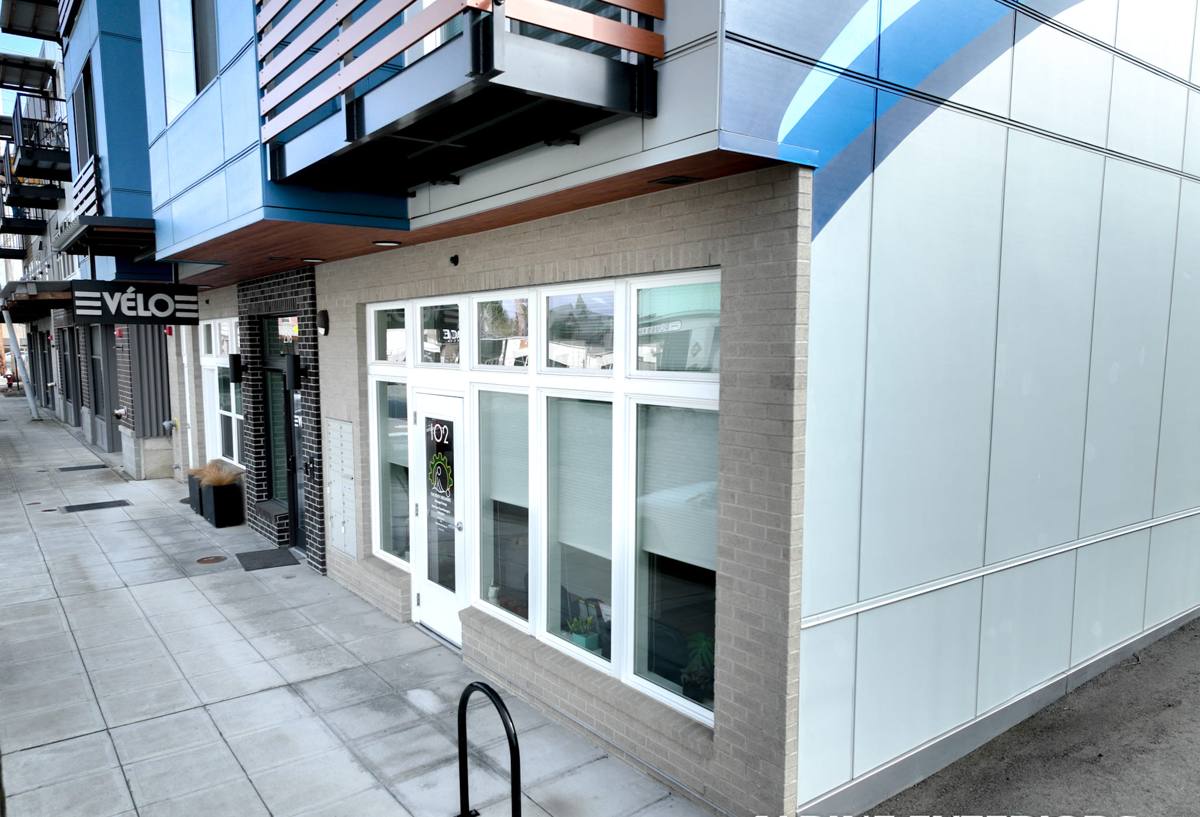
What the Climate Actually Does to Windows Here
Feather Sound homes and condos deal with the same combination that wears on exteriors across coastal Pinellas County, just closer to open water than most inland neighborhoods. Hurricane-force wind events put direct pressure on glass and frame, and on an older, non-rated window, that pressure has nowhere to go but into weak seals and thin framing — which is why an aging aluminum-frame unit is often the first thing to leak or fail during a storm. Year-round, intense Florida sun breaks down cheaper vinyl formulations, weatherstripping, and sealants faster than in a milder climate, showing up as yellowing, brittle gaskets, and seals that no longer hold. Wind-driven rain pushes water sideways into wall assemblies during storms and even routine squalls, testing flashing and sealant details that a calmer inland market would never stress the same way. And salt air off the Bay works on hardware, screen frames, and fasteners continuously — it's not a storm-event problem, it's a slow corrosion process that never really stops on a home this close to the water.
Where Problems Actually Start
On most window failures we see in this area, it isn't the glass that goes first. It's the perimeter — a sill that was never properly flashed, a corner joint where sealant dried out and cracked, hardware that seized up from years of salt exposure, or an anchoring pattern that was adequate for the code decades ago but doesn't hold up to a modern wind-load standard. Those are the details that decide whether a window installation holds up through hurricane season after hurricane season, or starts letting in water and air within a few years.
Window Situations We See in Feather Sound
- Original aluminum-frame windows — single-pane or early double-pane units original to older single-family homes and condo buildings, now past their useful service life
- Fogged or failed double-pane units — seal failure between the panes lets moisture in, clouding the glass permanently
- Condo and townhome association replacements — window swaps that need to match building sightlines, sizes, and often an HOA-approved look
- Upgrading to impact-rated glass — replacing older units with windows rated for current wind-borne debris requirements, sometimes to drop separate storm shutters altogether
- Sliding glass door and window combinations — common in lanai and Florida room conversions on single-family homes near the golf course and water
- Storm-damaged units — frames or glass compromised after a wind event, needing full replacement rather than a repair
What a Correct Window Installation Job Involves
Assessment and Wind Exposure
We start with a field measurement of the actual opening and an honest read on that wall's wind exposure — a unit facing open water toward the Bay gets treated differently than a more sheltered elevation on the same home. That assessment is what determines the impact rating the replacement window needs to meet Pinellas County's requirements, not a generic assumption about what "hurricane-rated" means.
Removal and Opening Prep
Pulling an old window, especially an original aluminum-frame unit, often uncovers wood rot, corroded fasteners, or a substrate that's out of square. We check for that before the new unit goes in and address it as part of the job, not as a change order once the wall is already opened up.
Setting, Anchoring, and Impact Rating
The new window gets anchored to meet the wind load for its size and location, following the manufacturer's tested installation method for that specific product — not a generalized approach applied to every unit regardless of size or exposure.
Flashing, Sealant, and Weatherproofing
This is where most long-term failures start, so it's where we spend the most care. Flashing has to be sequenced so water sheds outward and never gets trapped behind the frame, and sealant joints have to be detailed to handle wind-driven rain, not just look clean on install day.
Finish, Hardware, and Corrosion Protection
Salt air goes after hinges, locks, and screen hardware whether or not a storm ever comes through. We spec corrosion-resistant hardware as standard on installs this close to the Bay, and we finish trim and joints to hold up to years of UV and salt cycling, not just the first season.
Quick Checklist Before You Hire
- Confirm the installer field-measures your actual openings rather than working off assumptions
- Ask what impact rating your specific wall and exposure require under current code
- Get the anchoring method explained for your window size, not a one-line answer
- Ask about the flashing and sealant plan specifically, not just "we'll seal it up"
- Confirm hardware and fasteners are corrosion-resistant, not standard-grade
- If you're in a condo or HOA, confirm the installer will work within your association's approved specs
Our Process, Start to Finish
- On-site assessment — we measure each opening and evaluate wind exposure for that specific wall or unit
- Honest recommendation — the rating and configuration your home actually needs, explained plainly, including why
- Ordering and lead time — a realistic timeline, since impact-rated units are typically built to order
- Removal and prep — old units come out carefully, with any hidden rot or framing issues addressed before new windows go in
- Installation and anchoring — set to the manufacturer's tested method and the wind load your location requires
- Flashing, sealant, and trim — weatherproofing detailed for the opening, then finished to match the home or building
- Final walkthrough — we check operation, locks, and seals on every unit before we call the job done
Costs and Trade-Offs
| Factor | What Changes the Price |
|---|---|
| Impact rating required | Bay-facing walls with fuller wind exposure typically need a higher-rated unit than a sheltered elevation on the same property |
| Opening condition | Rot, old flashing failures, or out-of-square framing on original-construction homes add prep work before install |
| Frame material | Vinyl and fiberglass generally cost less to maintain long-term in salt air than bare aluminum or unprotected wood exteriors |
| Number of units | A full-home or whole-building replacement typically has better per-unit pricing than one-off swaps |
| Association requirements | Condo and HOA-approved specs can narrow product options, which affects both cost and lead time |
Frame Materials for This Location
Frame material matters more here because of how much sustained UV and salt exposure a Feather Sound window sees over its lifespan. Vinyl and fiberglass frames generally hold up to that combination with less ongoing maintenance than bare aluminum, which corrodes over time, or unprotected wood, which needs regular upkeep in this climate. That's why we lead with vinyl or fiberglass on most replacements in this area. It doesn't rule out other options for specific situations — we'll walk through the honest trade-offs for your home rather than defaulting to one material for every job.
Why Hiring a Crew That Already Works Feather Sound Matters
Manufacturer installation instructions are written for average conditions, and a bay-front community with a mix of aging single-family homes and condo buildings doesn't fit that average. A crew that doesn't work this area regularly can get the paperwork and the rating right and still miss the details that actually keep water and wind out — how a flashing lap needs to be sequenced on a specific sill type, which anchoring pattern actually holds up to real wind load versus the code minimum, or how to navigate a condo association's approval process without slowing the job down. Those are calls made on-site, not ones a spec sheet makes for you.
We work this part of Pinellas County regularly, so we're not guessing at how a given wall type, building, or exposure tends to hold up over time. That shows up in the small decisions — the ones that decide whether your windows are still sealed tight and operating smoothly a few hurricane seasons from now, or starting to leak and corrode within a couple of years.
Ready When You Are
If you're dealing with original windows that have outlived their seals, planning a full replacement ahead of hurricane season, or working through a condo association's window specs in Feather Sound, it's worth having someone assess your actual openings and exposure before you start pricing units. We offer free, no-pressure estimates for window installation in Feather Sound and the surrounding Oldsmar area — use the form below to get a time on the schedule.