 Oldsmar Siding
 Storm Damage Roof Repair for Forest Lakes Homes
Forest Lakes sits inside Oldsmar, in Pinellas County, close enough to Old Tampa Bay that every roof in the neighborhood deals with the same combination of stressors: hurricane-force wind gusts during the summer and fall storm season, near-constant UV exposure the rest of the year, wind-driven rain that finds its way under damaged shingles and flashing, and a steady dose of salt air that speeds up corrosion on metal components. None of these forces act alone. A roof that's been baked and UV-stressed for a few Florida summers is far more likely to lose shingles or tear at the edges in a 60 mph gust than a newer, well-maintained roof would be. That's the pattern we see over and over on storm calls in this part of Oldsmar.
This page is specifically about storm damage roof repair for Forest Lakes — what local homes typically need after a storm, what a correct repair actually involves, and how we handle the job from first inspection to final walk-through.
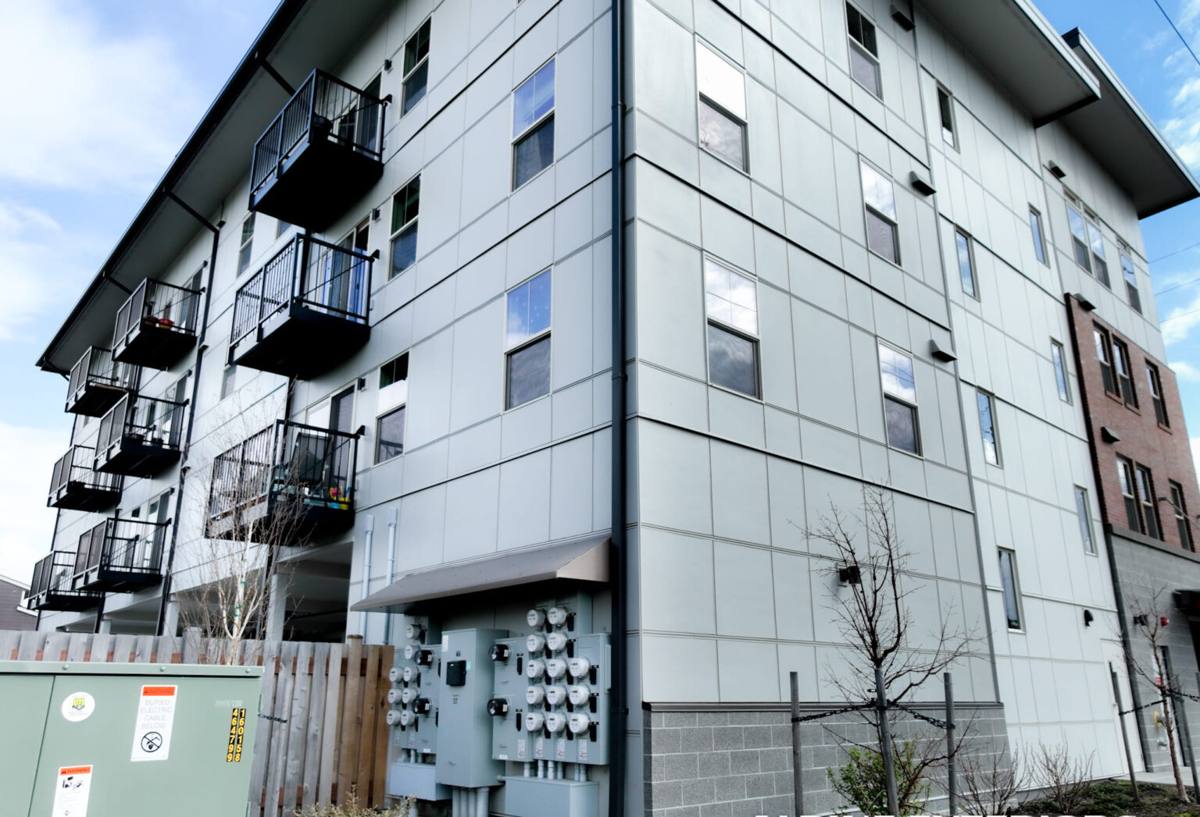
What Storm Damage Actually Looks Like on a Forest Lakes Roof
Wind Damage
Sustained wind and gusts pull at shingle tabs, ridge caps, and drip edge. On roofs that are already a few years into their service life, the sealant strip between shingles has often weakened from UV exposure, so it takes less wind than you'd think to lift a row loose. Once one shingle goes, the ones around it are exposed to wind getting underneath, which can cascade into a bigger loss during the next storm if it isn't repaired.
Wind-Driven Rain Intrusion
In Pinellas County storms, rain rarely falls straight down — it comes in sideways. That means water can work its way under ridge caps, around vent boots, and along valleys and flashing even when the shingles themselves look mostly intact. This is the kind of damage that's easy to miss from the ground and easy to underestimate until it shows up as a stain on an interior ceiling weeks later.
Impact and Debris Damage
Hail isn't the primary threat in this part of Florida the way it is farther north, but wind-thrown debris — branches, palm fronds, loose gutters from a neighboring property — is common during and after a storm. Impact damage can bruise or crack shingles in ways that aren't obvious until the granule loss accelerates and a soft spot develops.
Flashing and Penetration Failures
Chimney flashing, skylight curbs, and pipe boots take a beating from thermal cycling and UV before a storm ever hits. Storms are frequently what exposes a flashing failure that had actually been developing for a year or more — the storm is the trigger, not always the root cause.
Why Prompt, Correct Repair Matters More Here
Two things make storm damage repair in Forest Lakes a little different from a roof repair in a drier, cooler climate. First, the salt air off Tampa Bay accelerates rust on exposed fasteners, flashing, and metal roof edges — a small gap in coverage that would sit fine for a season inland can start corroding noticeably faster here. Second, Pinellas County's humidity means a leak that goes unaddressed doesn't just cause a stain — it creates conditions for wood rot and mold in the roof deck and attic much faster than in a dry climate. A repair that looks fine from the curb but wasn't sealed and flashed correctly underneath can turn into a much larger and more expensive problem within a single rainy season.
That's why we treat "storm damage repair" as more than patching the visible spot. It means checking the surrounding area for related wind or water damage, confirming the roof deck underneath is dry and sound, and repairing in a way that matches the performance of the surrounding roof — not just the color.
What a Correct Storm Repair Involves
| Step | What It Covers | Why It Matters |
|---|---|---|
| Emergency mitigation | Tarping exposed areas, temporary sealing of open penetrations | Stops ongoing water intrusion while repairs are scheduled |
| Full-slope inspection | Checking the whole roof plane, not just the reported damage spot | Wind damage is rarely isolated to one shingle or one area |
| Deck assessment | Confirming the plywood or OSB underneath is dry and structurally sound | Repairing over a soft or wet deck just hides a bigger problem |
| Underlayment and flashing repair | Replacing compromised underlayment, resealing or replacing flashing | This is where most repeat leaks originate, not the shingles themselves |
| Material matching | Sourcing shingles or panels that match existing color and profile as closely as possible | Keeps curb appeal intact and avoids an obvious patch look |
| Documentation | Photos and a written scope of the damage and repair | Supports an insurance claim if one is being filed |
Our Storm Damage Repair Process
1. Inspection and Assessment
We start with a full inspection of the roof, not just the area you noticed damage. Wind damage often extends beyond what's visible from the ground, and we'd rather catch a second problem area during the first visit than have you deal with a second leak later.
2. Temporary Protection, If Needed
If the roof deck is exposed or a leak is active, we prioritize getting it covered and dry before anything else. This is about preventing a manageable repair from becoming a bigger interior problem.
3. Written Scope and Estimate
You get a clear, itemized explanation of what's damaged, what needs to be repaired, and what it will cost — in plain language, before any work begins.
4. Insurance Documentation Support
If you're filing a storm damage claim, we document the damage with photos and a written scope that adjusters can work from. We're not a public adjuster and we don't negotiate your claim for you, but we make sure the roof-side documentation is thorough and accurate.
5. The Repair Itself
Deck repair or replacement where needed, correct underlayment and flashing work, and shingles or panels matched as closely as possible to your existing roof — installed to hold up against the next storm, not just pass a quick visual check.
6. Final Walk-Through
We walk the completed repair with you, explain what was done, and answer questions before we consider the job finished.
Repair or Replacement? How We Help You Decide
Not every storm-damaged roof needs to be replaced, and we don't push replacement when a targeted repair will genuinely hold up. The decision usually comes down to a few honest factors:
- Age of the roof — a well-executed repair on a roof with several years of life left is usually the right call.
- Extent of the damage — isolated wind or flashing damage is a repair; widespread granule loss, multiple compromised slopes, or a deteriorated deck across a large area points toward replacement.
- Underlying condition — a roof that was already near the end of its service life before the storm may not be worth repeatedly repairing.
- Insurance scope — in some claims, the adjuster's scope determines whether repair or full replacement is covered.
We'll give you a straight answer on which category your roof falls into, along with the reasoning, so you can make the call with full information rather than a sales pitch.
Insurance Claims for Storm Damage
Filing a storm damage claim goes smoother when the damage is documented promptly and clearly. A few things that make a real difference:
- Photograph visible damage as soon as it's safe to do so, from the ground — don't climb onto a damaged roof.
- Keep any receipts for emergency mitigation, like tarping, since those costs are often reimbursable.
- Get a written scope of damage and repair cost from your roofing contractor before the adjuster visits, if possible.
- Ask your contractor to be present, or available by phone, during the adjuster's inspection so nothing gets missed.
We provide the documentation and are glad to walk the roof with your adjuster. The claim itself is between you and your insurance company, but we make sure the roof-side facts are represented accurately.
Choosing a Contractor Who Actually Works Forest Lakes
After a storm, roofing offers show up from all over the state — some legitimate, some not planning to be around in a year if a warranty issue comes up. A few things worth checking before you sign anything:
- Do they have a permanent local presence, not just a storm-chasing crew working out of a truck?
- Are they licensed and insured to work in Florida, and will they show you proof without being asked twice?
- Will they pull the required permit for the repair, rather than suggesting you skip it?
- Do they explain the repair in plain terms, including what's covered by warranty and for how long?
- Are they willing to put the scope of work and pricing in writing before starting?
We work Oldsmar and the surrounding Pinellas County area regularly, which means we're familiar with the storm patterns, the building codes that apply locally, and — importantly — we're still here if a repair needs a follow-up visit down the road.
After the Repair: Reducing the Next Storm's Impact
A correct repair now is the best defense against a repeat problem in the next storm season. Beyond that, a couple of habits go a long way in this climate: keep gutters clear so wind-driven rain has somewhere to go, trim back tree limbs that could become debris in high wind, and have the roof looked at after any major storm event even if you don't see obvious damage from the ground. Small issues caught early are cheap. The same issues left through a second or third storm rarely are.
If your Forest Lakes home has visible storm damage — or you're just not sure after the last round of weather came through — we're glad to take a look. Fill out the form below for a free, no-pressure estimate and honest read on what your roof actually needs.