 Oldsmar Siding
 Storm Damage Roof Repair for Tampa Bay Golf and Country Club
Tampa Bay Golf and Country Club sits in a part of Oldsmar where roofs take a steady beating from three directions at once: wind off Old Tampa Bay, near-constant Florida sun, and the fast-moving summer storms that roll through Pinellas County almost every afternoon in season. Add in an actual named storm or a tropical system, and a roof that looked fine in June can be leaking, lifted, or shedding granules by August. This page covers what storm damage roof repair actually involves for homes in this neighborhood, what separates a real repair from a quick patch, and why it matters to work with a crew that already knows this community.
We're not going to tell you every roof here has the same problem — homes in Tampa Bay Golf and Country Club vary in age, roof type, and prior repair history. What we can tell you is what to look for, what a correct repair covers, and how to avoid paying twice for the same damage.
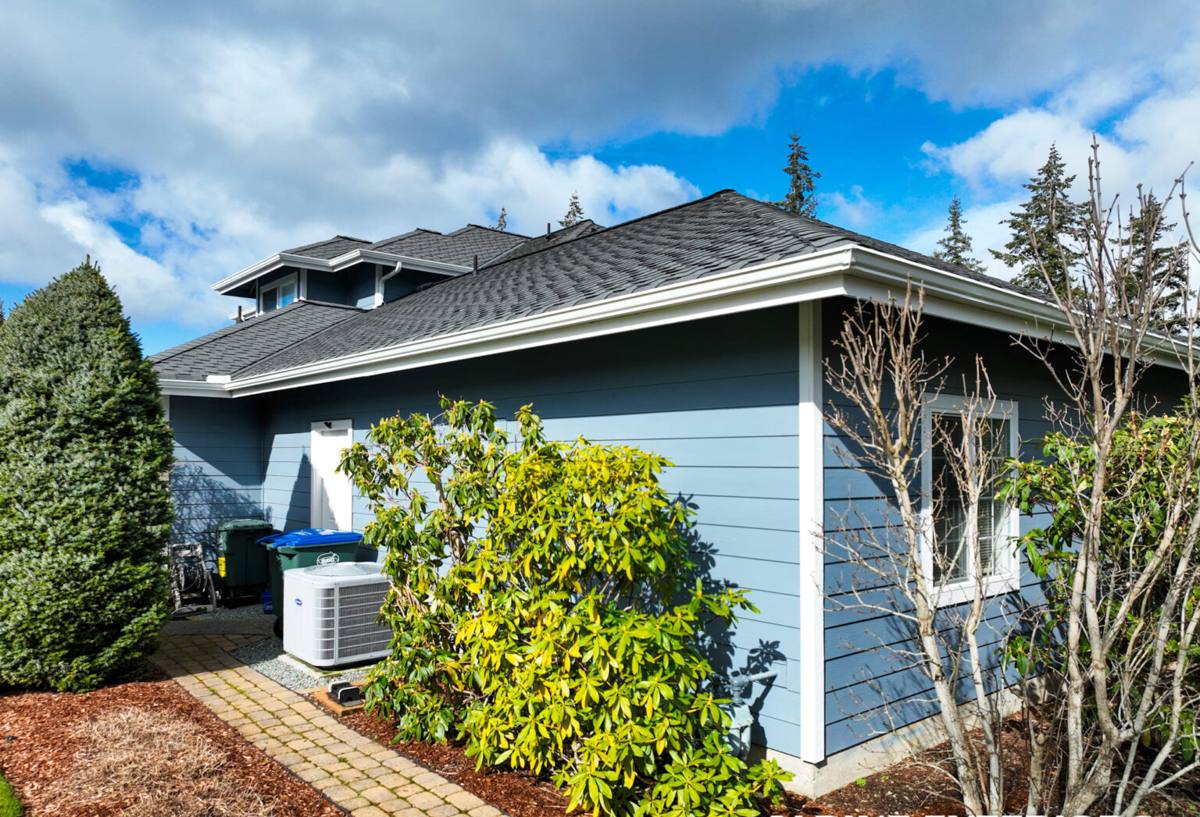
Why Oldsmar's Climate Is Hard on These Roofs
Wind and Uplift
Tropical storm and hurricane-force wind events don't need to make landfall nearby to do damage. Gusts moving across open areas — including golf course frontage, which many homes in this community have — can catch the edges of a roof and start working shingles or tiles loose at the eaves, ridges, and rakes. Once one course of shingles lifts, wind gets underneath the next course, and damage spreads fast during a single storm.
Year-Round UV Exposure
Florida sun doesn't take a season off. Asphalt shingles lose granules and become brittle over years of UV exposure, and brittle shingles crack and tear in wind instead of flexing. A roof that's 12-15 years old and already sun-worn will sustain more storm damage from the same wind event than a newer roof, even without any storm-specific defect.
Wind-Driven Rain and Salt Air
Oldsmar's location on Old Tampa Bay means salt-laden air reaches roofs here more than it does further inland. Salt air accelerates corrosion on exposed fasteners, drip edge, and flashing. Combine that with wind-driven rain — rain pushed sideways and upward under roof edges and around penetrations — and small flashing gaps that would never leak in calm weather become active leaks during a storm.
What Storm Damage Actually Looks Like
Storm damage isn't always an obvious hole. Most of what we find on post-storm inspections in this area falls into a handful of categories:
- Lifted or missing shingles, especially along ridges, hips, and rake edges
- Exposed or popped nail heads where shingle seal has broken
- Bent, lifted, or missing flashing around chimneys, vent pipes, and skylights
- Soft or spongy decking felt underfoot, usually found only once shingles are pulled back
- Heavy granule loss visible in gutters or at downspout discharge points
- Cracked or displaced tiles, on tile roofs, where fasteners or mortar have failed
The tricky part is that several of these can exist without an interior leak showing up right away. Water can travel along decking or framing before it finds a path into a ceiling, which is why a damaged roof can look "fine from inside" for weeks after a storm while the underlying wood is already wet.
Quick Tarp vs. Correct Repair
After a storm, it's common to get a tarp on the roof fast to stop active leaking — that's the right emergency move. But a tarp is not a repair, and some companies stop there longer than they should. Here's the practical difference:
| Factor | Emergency Tarp Only | Correct Storm Repair |
|---|---|---|
| Purpose | Stops water intrusion short-term | Restores the roof to a sound, code-compliant condition |
| Decking check | Not performed | Decking inspected and replaced where soft or delaminated |
| Flashing | Left as-is | Damaged flashing replaced, not just re-sealed |
| Material match | N/A | Shingle or tile matched as closely as available stock allows |
| Insurance documentation | Minimal | Photos and scope written to support a claim |
| How long it holds | Days to a few weeks, weather dependent | Years, same as original roof life expectancy |
If a contractor's plan stops at "we'll tarp it and get back to you," ask directly when the actual repair scope and decking inspection will happen. A tarp that sits for a month through more rain and wind usually creates more damage than it prevented.
Our Repair Process
Step 1: Inspection and Documentation
We walk the roof (or use elevated inspection where the roof pitch or condition makes walking it unsafe) and document damage with photos before touching anything. This record matters for insurance and gives you an honest picture of scope before any work starts.
Step 2: Emergency Protection
If there's active or likely water intrusion, we get the exposed area covered and secured the same visit where possible, so you're not waiting through the next round of rain with an open roof.
Step 3: Repair and Material Matching
Damaged decking gets replaced, not just covered. Flashing gets rebuilt where it's failed rather than caulked over. We match shingle or tile as closely as current manufacturing allows — on older roofs, an exact match isn't always possible, and we'll tell you that up front rather than after the fact.
Step 4: Final Walkthrough
Before we call it done, we walk the repair with you, confirm the scope matches what was documented, and make sure you have photos and paperwork for your records or your insurer.
Insurance Claims: What Helps and What Hurts
We're not a public adjuster and we don't handle your claim for you, but our documentation habits are built around what actually helps a homeowner during the claims process:
- Dated photos of damage taken before any repair work begins
- A written repair scope that separates storm damage from pre-existing wear
- Honest notes when damage is partly age-related — insurers check for this, and inflated storm-damage claims get denied or delayed
- Copies of any temporary protection invoices, since emergency mitigation is often a separate line item
Being upfront about what's storm damage versus what's just an old roof isn't us trying to avoid work — it's what keeps your claim credible if the insurer sends their own adjuster to look at the same roof.
HOA and Appearance Considerations
Golf course communities like this one often have HOA guidelines around visible exterior changes, including roof color and, in some cases, material. Before ordering shingles or tile, it's worth confirming your HOA's current position on color and material approval so the repair doesn't create a mismatch flag later. We can point out where a repair may be visually noticeable from the street or the course side of the home so you can decide whether a broader repair (a full slope, for example, instead of a small patch) makes more sense for a uniform look.
After-the-Storm Checklist
If a storm has just come through and you're not sure whether your roof needs attention, this is a reasonable first pass before calling anyone:
- Check gutters and the ground near downspouts for shingle granules or shingle pieces
- Look for shingles or tiles visibly out of alignment from the ground or a safe vantage point
- Check attic space (if accessible) for damp insulation, water stains, or daylight showing through decking
- Note any new ceiling stains, even faint ones, and the date you first saw them
- Photograph anything unusual before it rains again, in case documentation is needed later
- Avoid getting on the roof yourself, especially with wet or damaged decking underneath
Why a Crew That Already Works This Neighborhood Matters
Storm damage repair rewards local familiarity in ways that are easy to underestimate. A crew that already works in Tampa Bay Golf and Country Club knows the common roof ages and types in the area, has a sense of typical HOA expectations, and can respond faster because they're not driving in from across the county. Just as important, permitting for roof repair in Oldsmar goes through Pinellas County or city permitting depending on scope, and a crew that pulls permits here regularly knows the process instead of learning it on your job. After a storm, response time and follow-through matter as much as the repair itself — a roof with an open tarp sitting for weeks is a bigger risk than the original damage.
If you've got storm damage — or you're not sure whether what you're seeing is storm damage or just an aging roof — we're glad to take a look. The estimate is free, there's no pressure, and you'll get a straight answer about what's actually needed. Use the form below to get started.