 Oldsmar Siding
 Roof Replacement in Tampa Bay Golf and Country Club
Tampa Bay Golf and Country Club is one of Oldsmar's established communities, with a mix of homes that have been through decades of Gulf Coast weather. A lot of those original roofs are approaching or past the age where "one more patch" stops making financial sense. Roof replacement here isn't just a maintenance item — it's the single biggest factor in whether a home stays dry, insurable, and protected through the next storm season. This page covers what a proper roof replacement looks like for homes in this part of Oldsmar, what the climate does to a roof over time, and how our process works from first inspection to final walkthrough.
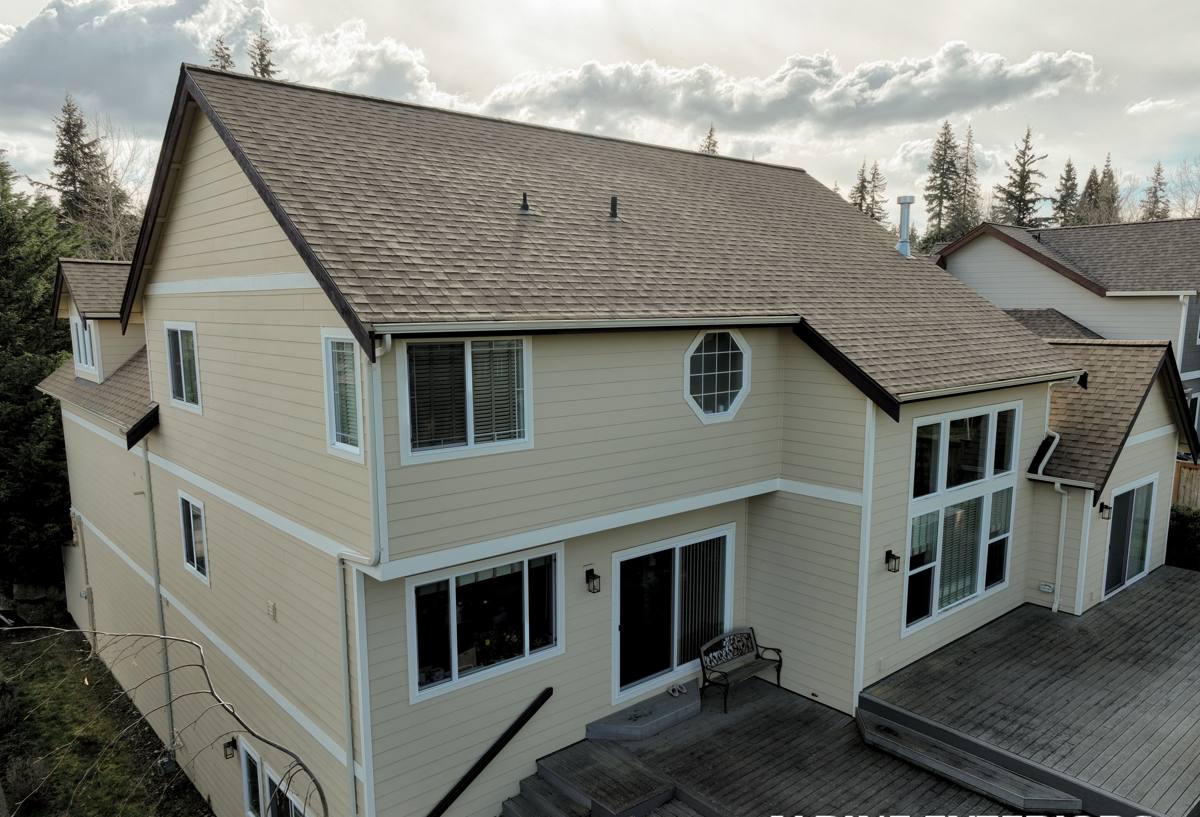
Why This Neighborhood's Roofs Take a Beating
Pinellas County sits on a peninsula, and homes in Tampa Bay Golf and Country Club feel that exposure every year. Four forces do most of the damage:
- Hurricane-force wind: Even a storm that never makes landfall directly on Oldsmar can push sustained winds and gusts strong enough to lift shingles, loosen fasteners, and stress flashing at every roof penetration.
- Intense, year-round UV: Florida sun breaks down asphalt shingle oils and granules faster than in most of the country, which is why a shingle roof rated for 25-30 years elsewhere often shows real wear here well before that mark.
- Wind-driven rain: It's not the rain falling straight down that causes leaks — it's rain pushed sideways and upward under shingle edges, ridge caps, and flashing during a squall or tropical system.
- Salt air: Oldsmar isn't beachfront, but Tampa Bay's salt-laden air still travels inland and accelerates corrosion on exposed metal fasteners, flashing, and vent boots faster than an inland climate would.
None of these forces act alone. A roof that's already brittle from UV exposure is far more likely to lose shingles in a wind event, and once wind lifts even a few tabs, wind-driven rain finds its way underneath.
Signs a Roof Needs Replacing, Not Just Repairing
Not every issue means a full tear-off. But there's a point where patching individual leaks costs more over time than doing the job right. Common signs we look for on inspections in this neighborhood include:
- Shingles that are cupping, curling at the edges, or losing granules in visible patches
- Multiple past repair patches concentrated in different areas of the same roof
- Soft spots or sagging in the roof deck when walked
- Daylight visible through the attic at the ridge or eaves
- Rusted or missing flashing around chimneys, skylights, and roof-to-wall transitions
- A roof age of 18-20+ years for asphalt shingle, especially if the original underlayment wasn't upgraded
- Recurring interior stains on ceilings after heavy rain, even if no active leak is visible day-to-day
If a roof is showing two or more of these at once, replacement is usually the more honest recommendation — both for the homeowner's wallet and for what an insurance carrier will want to see at renewal.
Insurance and Wind Mitigation Considerations
Florida homeowners' insurance has gotten more particular about roof age and condition, and Pinellas County is no exception. A roof replacement often triggers eligibility for a wind mitigation inspection, which can lower premiums by documenting things like the roof-to-wall connection type, secondary water barrier, and roof covering compliance. We build the new roof to meet current Florida Building Code wind requirements for this area from the start, so the wind mitigation paperwork reflects real, inspected upgrades rather than guesswork.
What a Correct Roof Replacement Involves
A roof replacement is more than swapping old shingles for new ones on top of the same deck. Done correctly, it's a sequence of steps where each layer matters:
- Full tear-off. We remove the existing roofing material down to the deck — layering new shingles over old is a shortcut that traps moisture and voids most manufacturer warranties.
- Deck inspection and repair. Every sheet of decking gets checked for soft spots, delamination, or fastener pull-through. Any compromised wood is replaced before anything new goes down.
- Secondary water barrier. A self-adhered underlayment at eaves, valleys, and penetrations creates a backup seal — critical when wind-driven rain works its way past the primary roof covering.
- Synthetic underlayment. Covers the remaining deck area with a tear-resistant, UV-tolerant layer that outperforms old-style felt paper, especially during the weeks a roof may sit exposed before final shingles go on.
- Flashing at every penetration. Chimneys, plumbing vents, skylights, and wall transitions get new metal flashing rather than reused or caulked-over old pieces.
- Roof covering installation to wind-rated fastening patterns. Nail placement and count matter as much as the shingle itself when it comes to actual wind performance.
- Ridge ventilation and final details. Proper attic ventilation reduces heat buildup and moisture, both of which shorten a roof's real-world lifespan in this climate.
- Cleanup and magnetic sweep. Yard, driveway, and landscaping cleared of debris and stray nails before we consider the job done.
Material Options for This Neighborhood
There's no single "right" roofing material for every home in Tampa Bay Golf and Country Club — it depends on the home's structure, budget, and how long the owner plans to stay. Here's how the common options compare for this climate:
| Material | Typical Lifespan Here | Wind/Storm Performance | Maintenance |
|---|---|---|---|
| Architectural asphalt shingle | 18-25 years | Good when properly fastened and rated for local wind speeds | Periodic inspection; granule loss increases with UV exposure |
| Standing seam metal | 40-50+ years | Excellent wind uplift resistance; sheds wind-driven rain well | Low; occasional fastener and sealant check |
| Concrete or clay tile | 40-50+ years | Strong wind performance when properly fastened; individual tiles can crack from impact | Moderate; underlayment beneath tile typically needs replacement before the tile itself does |
Whatever material a homeowner chooses, we're honest that the underlayment and installation quality underneath it usually matter more to long-term performance than the surface material alone.
A Note on Tile Roof Underlayment
Many homes in Tampa Bay Golf and Country Club and the surrounding Oldsmar area were built with tile roofs, and it's common for the underlayment to fail years before the tile itself shows visible damage. If a tile roof is leaking, the tiles are often still salvageable — the job may be a tear-off and re-lay of the existing tile over new underlayment rather than a full material replacement. We inspect for this specifically rather than defaulting to a full re-roof recommendation when it isn't needed.
What Drives the Cost
Every roof replacement quote should be able to explain, in plain terms, what's driving the price. The main factors we walk homeowners through are:
| Factor | Why It Matters |
|---|---|
| Roof size and pitch | Steeper roofs take longer to work safely and use more material per square |
| Number of penetrations and valleys | Every chimney, vent, skylight, and valley needs individual flashing work |
| Deck condition | Rotten or delaminated decking found during tear-off adds material and labor |
| Material selection | Shingle, metal, and tile have very different material and labor costs |
| Underlayment upgrade | A secondary water barrier adds cost but materially improves wind-driven rain resistance |
| Permitting and inspections | Oldsmar and Pinellas County permitting fees and required inspections are part of doing the job legally |
We give a written scope with these line items broken out, not a single lump number, so a homeowner can see exactly what they're paying for.
Permitting and Local Requirements
Roof replacement in Oldsmar requires a permit, and the work has to pass inspection against current Florida Building Code wind provisions for this area. We handle the permit application, coordinate the required inspections, and make sure the final paperwork is in hand — that documentation is also what a homeowner needs later for insurance wind mitigation credits or when selling the home. Skipping or shortcutting permitting is a common way homeowners end up with problems at closing or claim time down the road, so we don't cut that corner.
Our Process for a Tampa Bay Golf and Country Club Roof Replacement
The steps are straightforward, but each one is where a rushed job usually goes wrong:
- Inspection and honest assessment. We walk the roof and attic, document actual condition, and tell the homeowner plainly whether replacement or repair is the right call.
- Written scope and material selection. Options are laid out with real trade-offs, not upsold toward the most expensive material by default.
- Permit filing. Submitted to Oldsmar/Pinellas County before work begins.
- Scheduling around weather. Florida's rainy season and hurricane season affect timing; we plan tear-off days to minimize how long a roof sits open.
- Installation. Full tear-off through final ridge detail, following the sequence above.
- Final inspection and walkthrough. County inspection sign-off, then a walkthrough with the homeowner before we consider the job complete.
Why It Matters to Hire a Crew That Already Works This Community
Tampa Bay Golf and Country Club has its own HOA aesthetic guidelines, gated access logistics, and a layout where trucks, dumpsters, and material staging near a golf course right-of-way need to be handled carefully. A crew that's already worked in the neighborhood knows the HOA's roofing material and color approval process, how to stage a job without blocking shared roads or disrupting the golf course sightlines, and what the typical home construction looks like on this street pattern. That familiarity translates into fewer surprises, faster permitting conversations, and a cleaner jobsite from day one — not just a marketing line.
A Practical Checklist Before Hiring
- Confirm the contractor is licensed to work in Florida and carries current liability and workers' comp insurance
- Ask for the permit to be pulled in the contractor's name, not the homeowner's
- Get the underlayment and flashing details in writing, not just "shingle brand and color"
- Ask how deck repairs found during tear-off will be priced and approved before work continues
- Confirm cleanup and debris/nail sweep is included, not billed separately
- Check that the manufacturer warranty terms (material vs. workmanship) are explained clearly
Get a Free, No-Pressure Estimate
If a roof in Tampa Bay Golf and Country Club is showing its age, or a recent storm has you wondering whether it's still doing its job, an inspection is the honest place to start. We'll give a straight assessment — repair, partial replacement, or full re-roof — and a written scope with no pressure to decide on the spot. The form below gets that conversation started.