 Oldsmar Siding
 Building Decks That Actually Hold Up Near Oldsmar
A deck in Westchase does a lot more work than a deck in a drier, milder climate. Between hurricane-force wind events, sun that beats down nearly year-round, sudden wind-driven downpours, and the salt-laden air that drifts in off the Gulf, every material and connection on an outdoor structure here is under constant stress. A deck that would last decades in a northern climate can start failing in a fraction of that time in Pinellas County if it wasn't built with this environment in mind from the start.
We build decks for homes in and around Westchase and the greater Oldsmar area, and the difference between a deck that lasts and one that doesn't usually comes down to decisions made before the first board is ever cut: footing depth, fastener grade, ledger attachment, and how the structure sheds water. This page walks through what actually matters for a deck built to hold up in this specific climate, and how we approach the job.
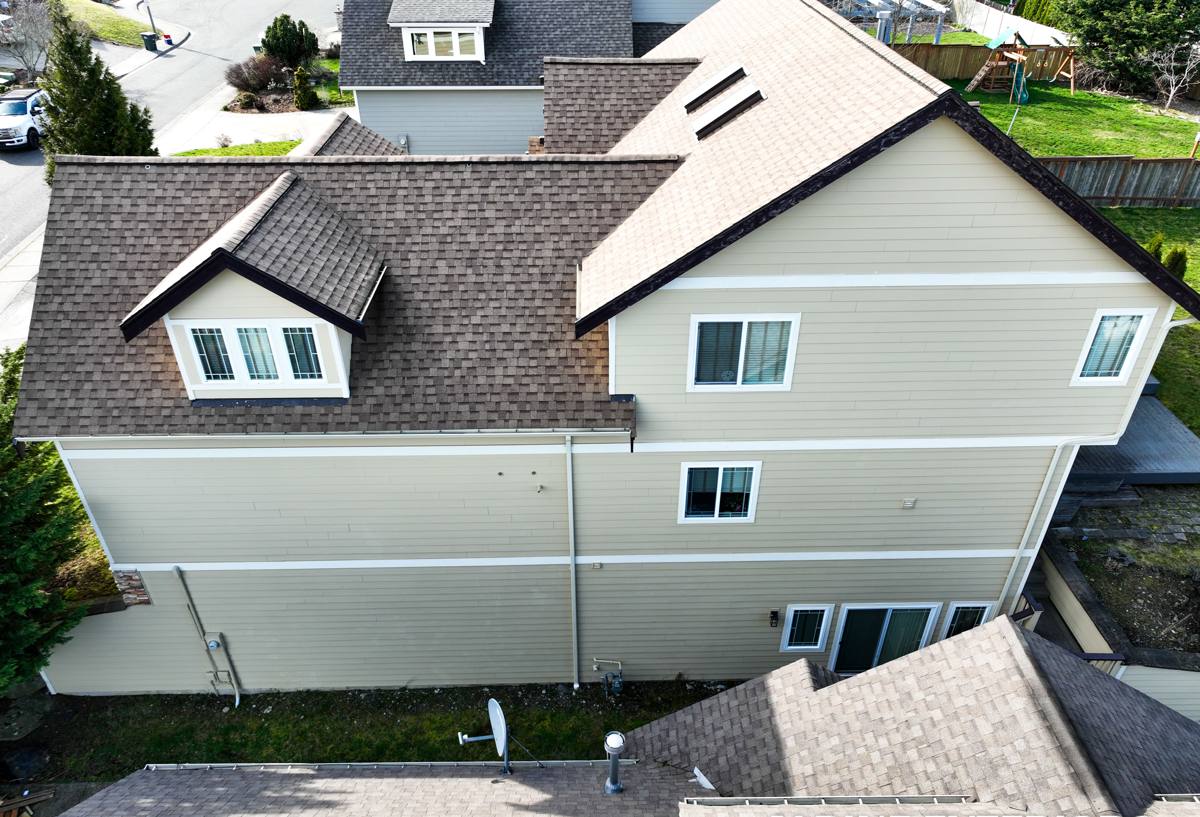
What Westchase Homes Need From a Deck
Homes in this part of Pinellas County tend to share a few things in common — concrete block or slab construction, HOA architectural guidelines, and outdoor living spaces that get used most of the year because the weather allows it. That means a deck here isn't a seasonal add-on; it's used constantly, exposed constantly, and needs to be built to a higher standard than a deck that only sees a few months of real weather each year.
Wind Resistance
Florida's building code requires structures to be engineered for high wind loads, and decks are no exception. Railings, post connections, and ledger attachments all need to resist uplift and lateral load, not just support weight. A deck that's only built to hold people standing on it — but not to resist wind trying to pull it apart — is not built to code and won't hold up through a storm season.
UV and Heat
Intense, near-constant sun breaks down lower-grade woods and cheaper composite products faster than manufacturers' marketing suggests. Boards cup, fasteners back out as wood expands and contracts, and finishes fade and chalk. Material selection and fastening method both need to account for this, not just the wind and rain.
Wind-Driven Rain and Moisture
Rain here doesn't fall straight down — it drives sideways during storms, which means water gets into gaps, connections, and ledger areas that a "normal" deck design might not account for. Flashing at the ledger board, proper drainage gaps between boards, and correctly sloped surfaces all matter more here than in drier climates.
Salt Air
Even away from the immediate coastline, salt-laden air moves inland and accelerates corrosion on fasteners, brackets, and any exposed metal hardware. Using the wrong grade of fastener is one of the most common — and most preventable — causes of premature deck failure we see.
What Goes Into a Correctly Built Deck
A deck that's going to last in this climate is built right at every layer, not just on the visible surface. Here's what we hold as a professional standard on every deck we build:
Footings and Structure
Footings need to be sized and set to local code depth, not guessed at. Undersized or shallow footings are one of the most common shortcuts taken by crews trying to move fast, and it's the kind of mistake that doesn't show up until years later when the structure starts to rack or settle unevenly.
Ledger Attachment
The ledger board — where the deck attaches to the house — is the single most important structural and moisture connection on the entire project. It has to be properly flashed, properly fastened into structural framing (not just siding), and sealed to keep wind-driven rain from tracking behind it into the wall assembly. A poorly flashed ledger is one of the most common sources of hidden water damage behind a home's exterior.
Fasteners and Hardware
We use corrosion-resistant, coastal-rated fasteners and structural connectors throughout — not standard interior-grade hardware. In a salt-air environment, the cost difference between standard and corrosion-resistant hardware is small compared to the cost of replacing corroded brackets a few years down the road.
Decking Material
Whether a homeowner chooses wood or composite, the board itself needs proper spacing for drainage and airflow, correct fastening to allow for expansion and contraction, and a finish or cap system suited to constant UV exposure.
Choosing a Decking Material
There's no single "best" decking material for every home — it depends on budget, maintenance tolerance, and how the space will be used. Here's an honest comparison of the main options we work with for homes in this area:
| Material | Upfront Cost | Maintenance | Climate Trade-offs |
|---|---|---|---|
| Pressure-treated wood | Lowest | Regular sealing/staining needed, roughly every 1-2 years in this sun | Good value, but UV and moisture cycling will show wear faster than in milder climates without upkeep |
| Composite decking | Mid to higher | Low — occasional cleaning | Resists rot and doesn't need sealing, but quality varies widely by brand; lower-grade composites can fade or feel hot underfoot in direct sun |
| PVC/capped polymer decking | Highest | Lowest | Best moisture resistance of the group, strong choice near humid, salt-air conditions, but is a bigger upfront investment |
We'll walk through these trade-offs honestly during an estimate rather than steering every homeowner toward the highest-margin option. The right call depends on how the deck will actually be used and how much upkeep a homeowner wants to take on.
Our Deck Building Process
- On-site assessment — We look at the attachment point on the house, grading and drainage around the proposed footprint, sun exposure, and any HOA or code considerations specific to the neighborhood.
- Design and material selection — We talk through layout, railing style, and material options based on budget and how the space will be used, then put together clear, honest pricing.
- Permitting — We handle the permit application and inspections required for the project, so the deck is built and documented to code from day one.
- Footings and framing — Footings are set to proper depth, and the frame is built with corrosion-resistant hardware and correctly flashed ledger attachment.
- Decking and railing installation — Boards and railings are installed with proper spacing, fastening, and attention to the details that hold up under sun and storm exposure.
- Final walkthrough — We go over the finished deck with the homeowner, including any maintenance recommendations specific to the material chosen.
Permits and Local Code
Deck construction in Pinellas County requires a permit and inspection, and structural requirements — including wind load design — are set by Florida's building code. Skipping permits is a shortcut some homeowners are tempted by to save time or money, but it creates real problems at resale, with insurance claims, and in some cases with HOA compliance in planned communities like Westchase. We pull the proper permits and build to inspection standard on every project, not just to "pass" but because that standard is what actually keeps the structure safe through a real storm.
Keeping a Deck Sound Over Time
No deck is maintenance-free, even low-upkeep composite and PVC products. A few habits go a long way toward protecting the investment in this climate:
- Rinse off salt residue, pollen, and debris periodically, especially after storms
- Check railing posts and stair connections annually for any looseness
- Reseal or restain wood decking on the schedule appropriate to the product — don't wait until it looks visibly worn
- Keep gutters and downspouts near the deck clear so runoff isn't dumping directly onto footings or framing
- Watch for any soft spots, rust streaks around fasteners, or gaps opening up at the ledger board
- Trim back landscaping that traps moisture against the structure
Catching small issues early — a loosening bracket, a hairline gap at the ledger — is far cheaper than dealing with structural repair after a season of storms has made it worse.
Why Local Experience Matters for This Job
A crew that already works in and around Westchase and Oldsmar knows the wind load requirements, the permitting process with Pinellas County, and the kind of drainage and flashing details that actually hold up against Gulf Coast weather — not just what a generic deck-building guide recommends. We're not learning the local code requirements or the climate demands on the job; we've already built to them. That familiarity shows up in the details that aren't visible on day one but matter five and ten years down the road.
If you're considering a new deck or need an honest opinion on repairing versus replacing an existing one, we're happy to take a look and give you straight answers — no pressure, no upsell. Reach out for a free estimate using the form below.