 Oldsmar Siding
 Windows Built for Life Near the Course
Tampa Bay Golf and Country Club sits in a part of Oldsmar where homes take a steady beating from three directions at once: sun, wind, and moisture. The fairways and open water features that make this community attractive also mean less windbreak around many homes, which pushes more direct sun and wind-driven rain against window assemblies than you'd get in a tightly packed subdivision a few miles inland. Add in Pinellas County's proximity to the Gulf, and you've got a recipe for windows that fail early if they weren't built or installed with this specific exposure in mind.
Energy-efficient windows in this neighborhood have to do two jobs simultaneously: cut the cooling load on homes that run air conditioning nine or ten months a year, and survive hurricane-force wind events without letting water behind the wall. A window that only does one of those well isn't the right fit for a Tampa Bay Golf and Country Club home.
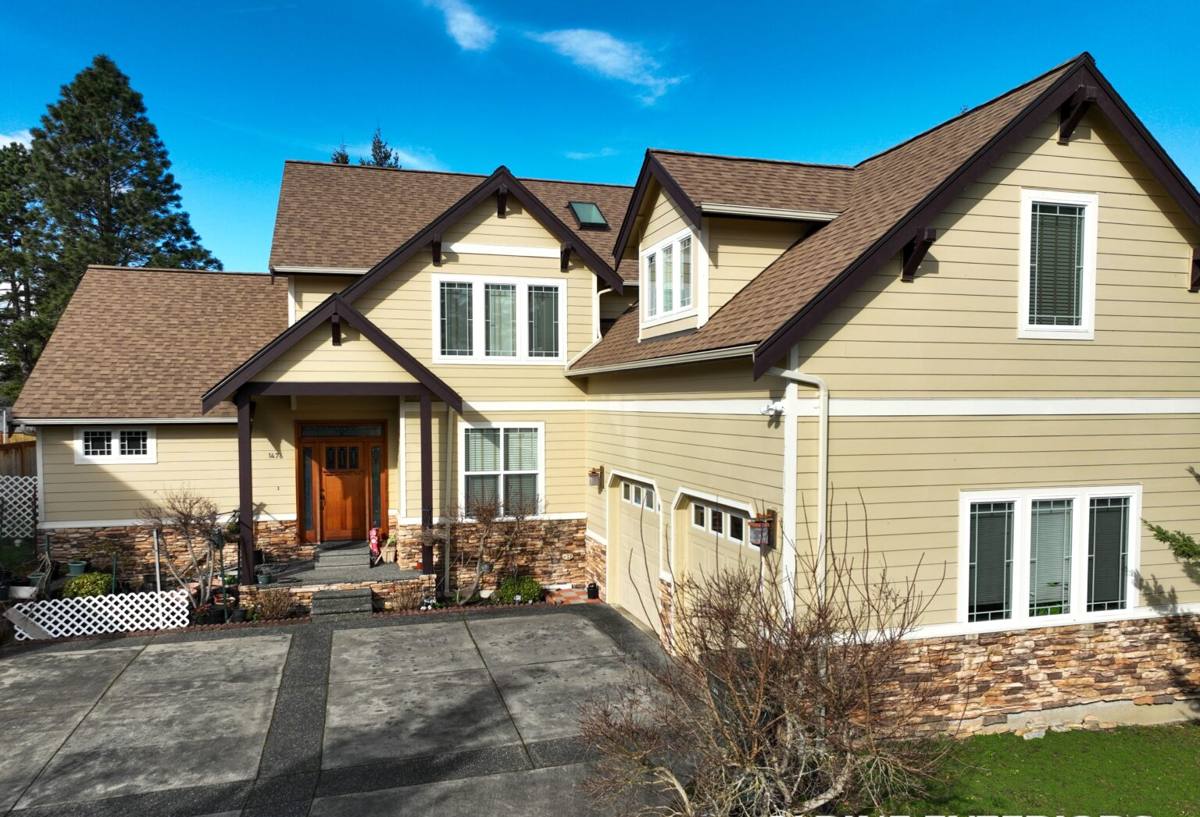
What Oldsmar's Climate Actually Does to Windows
Heat and UV
Florida sun is relentless on window components. Vinyl frames without UV-stabilized compounds chalk and warp. Cheap low-E coatings degrade and lose their reflective properties years before the glass itself fails. Homes in this community with older single-pane or early-generation double-pane windows often show a noticeable temperature difference near the glass — you can feel the heat radiating off the interior surface even with the AC running.
Wind-Driven Rain
Tampa Bay's storm pattern isn't just about peak wind speed. It's the sustained, horizontal rain that comes with tropical systems and even routine summer squalls. Water doesn't need a hurricane to find a weak seal — it needs wind pushing rain sideways into a gap that shouldn't be there. This is why installation quality around the window opening matters as much as the window unit itself.
Salt Air
Oldsmar isn't beachfront, but it's close enough to Old Tampa Bay that salt-laden air reaches inland neighborhoods, including this one. Salt accelerates corrosion on hardware, fasteners, and metal reinforcement inside frames. Windows built with standard-grade hardware instead of corrosion-resistant components will show pitting and stiff operation years ahead of schedule.
Humidity and Condensation
Year-round humidity means any window with a compromised seal or poor gas-fill retention will fog between the panes faster here than in a drier climate. Once moisture gets between the panes, that's a sign the seal has failed — no amount of cleaning fixes it, and it usually means replacement.
What "Energy-Efficient" Should Mean Here — Not Just a Sticker
ENERGY STAR labeling is a starting point, not the whole answer. For this climate zone, the numbers that actually matter are:
- Low U-factor — how well the window resists heat transfer. Lower is better for keeping AC-cooled air inside.
- Low Solar Heat Gain Coefficient (SHGC) — how much solar heat passes through the glass. In Oldsmar's sun exposure, this number matters more than it would up north.
- Air infiltration rating — how much air leaks through the assembly when closed. Directly tied to comfort and utility bills.
- Design pressure (DP) rating — how much wind and structural load the window can take before failure. This is the number tied to hurricane performance, and it's often overlooked by homeowners focused only on efficiency.
A window can carry an efficiency label and still be the wrong choice if its DP rating and impact resistance aren't matched to Pinellas County's wind zone requirements. We spec both together, not one at the expense of the other.
Impact-Rated vs. Standard Efficient Windows
One of the most common questions we get from homeowners in this community is whether they need impact-rated glass or whether a standard energy-efficient window with separate shutters is enough. Both are legitimate approaches — the right one depends on the home, the budget, and how much you want to deal with storm prep.
| Factor | Impact-Rated Windows | Standard Efficient + Shutters |
|---|---|---|
| Storm prep effort | None — always protected | Manual shutter deployment before each storm |
| Upfront cost | Higher per opening | Lower window cost, added shutter cost |
| Daily energy performance | Strong — laminated glass adds insulating value | Good, depends on glass package |
| Noise reduction | Noticeably better (laminated interlayer) | Standard |
| Insurance considerations | Often qualifies for wind mitigation credits | Shutters can also qualify, verify with your carrier |
| Curb appeal | No visible hardware | Shutter tracks/hardware visible on exterior |
We'll walk through both options honestly during your estimate rather than pushing the higher-cost option by default. Some homes in this neighborhood are better served by quality standard windows and a solid shutter system; others benefit more from going impact-rated across the board, especially on second-story or hard-to-reach openings where shutter deployment is inconvenient.
How We Approach a Window Job Here
1. On-Site Assessment
We look at each opening individually — orientation to the sun, exposure to prevailing wind, current frame condition, and any signs of past water intrusion around the opening. Not every window on a house needs the same glass package; a west-facing window taking direct afternoon sun may warrant a different SHGC than a shaded north-facing one.
2. Product Recommendation Matched to the Opening
We recommend frame material, glass package, and impact rating based on that assessment, not a one-size-fits-all package. We'll explain the trade-offs in plain terms: vinyl vs. fiberglass frame durability, single-hung vs. casement operation for airflow and sealing, and where laminated glass makes sense versus where it's unnecessary cost.
3. Removal Without Damaging the Opening
Old windows come out carefully to protect the rough opening. Rushed removal is one of the most common causes of hidden wall damage that doesn't show up until the next heavy rain.
4. Flashing and Sealing Done Correctly
This step is where most window failures in this climate actually originate — not in the window unit itself. Proper flashing tape, correctly lapped for water shedding, and a continuous sealant bead around the entire perimeter are non-negotiable. We don't rely on caulk alone to do a flashing system's job.
5. Set, Shim, and Fasten to Spec
Windows get shimmed level and plumb, fastened per the manufacturer's wind-load schedule, and insulated around the frame gap — not overfilled with expanding foam, which can bow frames out of square.
6. Interior and Exterior Finish
Trim, caulk lines, and touch-up work get finished to match the surrounding wall, inside and out.
7. Final Walkthrough
We test operation on every window, check for square and smooth movement, and walk the job with the homeowner before calling it done.
Signs Your Windows Are Costing You More Than They Should
- Interior glass or frame feels noticeably hot to the touch on sunny afternoons
- Visible fogging or moisture trapped between panes
- Windows that are hard to open, close, or lock — often a sign of frame warping
- Drafts felt near the frame even when the window is fully closed and locked
- Rising cooling bills without a clear cause elsewhere in the home
- Condensation forming on interior glass during humid mornings
- Visible caulk cracking or gaps at the frame perimeter
- Fading furniture, flooring, or window treatments from UV transmission
Frame Material Considerations for This Neighborhood
Vinyl remains the most common choice for good reason — it doesn't corrode from salt exposure and it's cost-effective. But not all vinyl is equal; UV-stabilized, multi-chambered frames hold up far better in constant Florida sun than budget-grade vinyl, which can discolor and become brittle within a few years. Fiberglass frames cost more but resist thermal expansion and contraction better, which matters when a frame goes from cool morning air to intense midday heat daily. Aluminum frames, while strong, conduct heat efficiently — meaning they're rarely the right pick for energy efficiency in this climate unless paired with a thermal break.
We'll talk through which material fits your home's specific exposure rather than defaulting to whatever's cheapest to install.
Why Local Installation Experience Matters
Window performance data means little if the installation doesn't match it. A window rated for a certain design pressure only performs to that rating when it's fastened, flashed, and sealed correctly for the actual wall assembly it's going into — and Tampa Bay area homes vary in construction era and wall type more than people expect. A crew that regularly works in Oldsmar and greater Pinellas County has already seen the block construction, stucco details, and older aluminum-frame retrofits common in this part of the county, and knows what each one requires to seal properly against wind-driven rain. That familiarity shows up in fewer callbacks and windows that actually perform to their rating when a storm tests them.
Get a Free, No-Pressure Estimate
If your windows in Tampa Bay Golf and Country Club are past their prime, running hot, or just due for an honest evaluation, we're happy to take a look. There's no obligation and no pressure — just a straightforward assessment of what your home actually needs and what it would cost to fix it right. Fill out the form below to schedule a free estimate.