 Oldsmar Siding
 Siding Repair in a Tampa Bay Climate
Oldsmar sits at the north end of Old Tampa Bay, close enough to the water that homes here take on a different kind of weather load than houses twenty miles inland. Siding repair for Tampa-area properties has to account for salt-laden air rolling off the bay, hurricane-force wind gusts during storm season, wind-driven rain that gets pushed sideways into seams and laps, and sun exposure that runs nearly year-round instead of seasonally. A repair that would hold up fine in a milder climate can fail here in a fraction of the time if it doesn't account for these conditions.
That's the starting point for how we approach every repair call in this area: not just closing up the visible damage, but understanding why that spot on the wall failed in the first place, and making sure the fix is built for the same conditions that caused the problem.
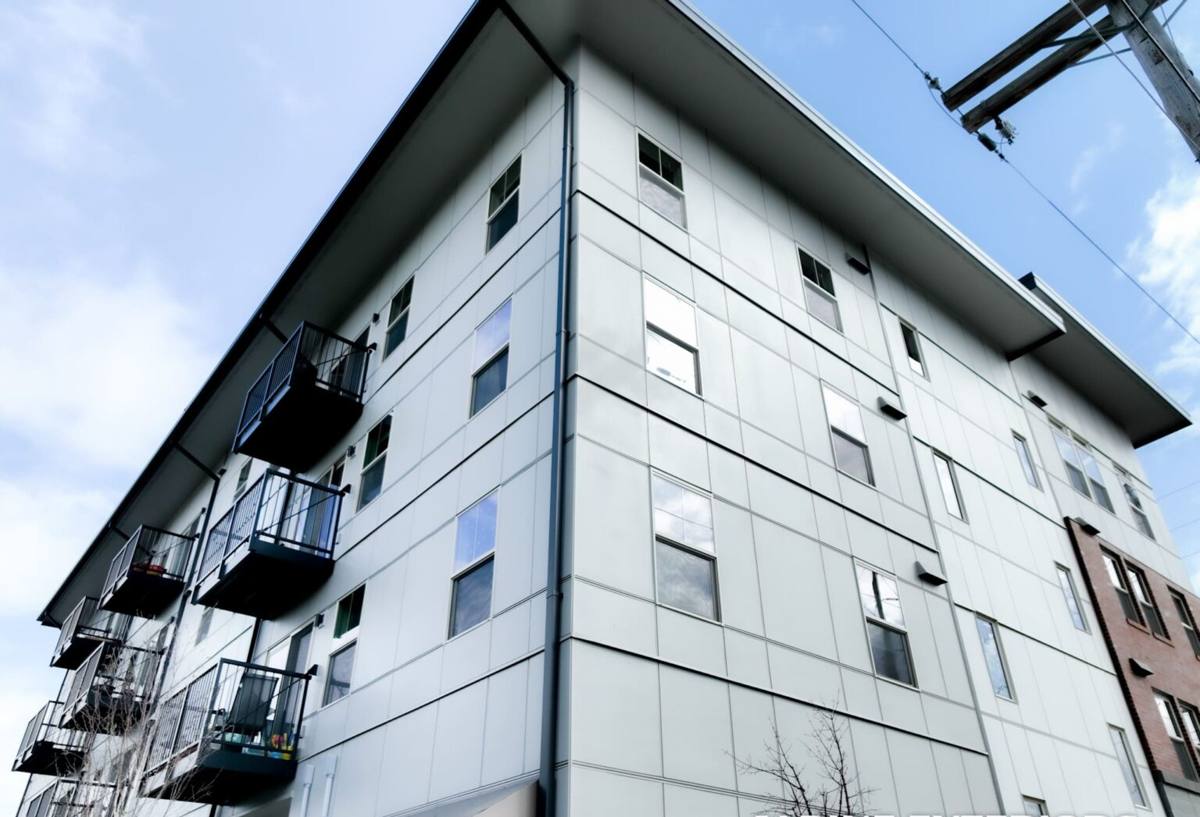
Signs a Tampa-Area Home Needs Siding Repair
Water and Moisture Clues
Most siding failures around Oldsmar and the greater Tampa Bay area start as moisture problems long before they become visible damage. Wind-driven rain finds its way behind siding at butt joints, corner trim, and anywhere caulking has dried out and cracked in the sun. Once water gets behind the cladding, it can sit against sheathing and framing for months before a stain, soft spot, or bulge shows up on the surface.
Physical Damage Clues
Storm season brings its own damage pattern: wind-lofted panels, cracked or split boards from flying debris, and fastener pops where panels have worked loose in high gusts. Salt air adds a slower type of wear, breaking down caulk, fasteners, and paint finishes faster than they'd degrade elsewhere.
- Soft, spongy, or bulging spots when you press on the siding
- Peeling or bubbling paint, especially near seams and trim
- Visible cracks, splits, or chipped corners on individual boards
- Dark streaking or discoloration that doesn't wash off
- Gaps opening up at butt joints, corners, or around windows and doors
- Loose panels that flex or rattle in wind
- A musty smell or interior wall staining on the other side of an exterior wall
- Visible fastener heads (nails or screws backing out of the siding)
What a Correct Siding Repair Actually Involves
It Starts With Finding the Cause
A repair that only addresses what's visible from the driveway is a temporary fix. Before we touch a damaged board, we look at what's underneath and around it: is the house wrap or flashing behind that section intact? Is water tracking down from a leaking window head flashing or a gutter that overflows in heavy rain? Is the damage isolated, or is it a symptom of a broader moisture problem working its way across a wall? Skipping this step is how homeowners end up paying for the same repair twice.
Matching Material, Not Just Patching a Hole
Once the cause is addressed, the repair itself needs to match the existing siding in profile, exposure, and finish as closely as possible. A patched section that doesn't line up with the reveal of the surrounding boards, or that's a slightly different shade after a few months in Florida sun, stands out and undercuts the home's curb appeal. Proper flashing and integration at the repair edges also matter as much as the patch itself — a beautifully matched board that isn't flashed correctly will just fail again at the seam.
Sealing and Fastening for Coastal Wind
Correct fastening schedules and sealant choices matter more here than in calmer climates. We fasten and seal repairs to hold against sustained coastal wind loads, not just to look finished on installation day, since an under-fastened patch is often the first thing to go in the next round of storms.
Repair or Replace? How We Make That Call
Not every damaged section needs a full re-side, and not every repair call should end with just a patch. We walk homeowners through the decision honestly rather than defaulting to the most expensive option.
| Situation | Usual Recommendation | Why |
|---|---|---|
| Isolated impact damage (one or two boards) on otherwise sound siding | Targeted repair | Underlying wall and wrap are intact; a matched patch solves it |
| Repeated moisture staining in the same area, multiple repair cycles | Investigate wrap/flashing, repair that section down to the sheathing | Surface patches won't stop a recurring water path |
| Widespread fading, chalking, or fastener failure across most of the home | Full replacement | Age-related wear across the whole house means new material outperforms case-by-case patching |
| Storm damage limited to one elevation (usually the side facing prevailing wind) | Repair or partial re-side of that elevation | Other elevations may still have years of service life left |
| Rot found in sheathing or framing during a repair inspection | Structural repair first, siding repair second | New siding over compromised structure just hides the real problem |
Our Process From First Call to Finished Repair
- Inspection: We walk the affected area (and the rest of the exterior) to identify not just the visible damage but its likely cause.
- Honest assessment: We tell you plainly whether this is a repair, a larger repair, or something that points toward eventual full replacement — and why.
- Written scope and estimate: No vague verbal quotes. You get a clear description of the work and the price before anything is scheduled.
- Repair or matched replacement: We remove only what needs to come out, address flashing and moisture barriers underneath, and install matched material with proper fastening and sealing.
- Final check: We walk the repair with you before we consider the job done, checking fit, finish, and that the area is properly sealed against wind-driven rain.
Why We Repair With James Hardie Fiber Cement
When a repair calls for replacing a section of siding rather than patching what's there, the material we bring is James Hardie fiber cement — it's the only siding product we install, on repairs and full jobs alike. That's a deliberate standard, not a default. Fiber cement doesn't absorb water the way wood-based products can, it holds paint and factory-applied ColorPlus finishes far longer under intense Florida UV than most alternatives, and it's non-combustible, which matters to a lot of homeowners regardless of climate. It also carries a strong transferable warranty when installed to Hardie's specifications, which is worth something if the home changes hands down the road.
Where this matters for repair work specifically: matching new material to old siding is easier and more predictable with a manufactured, consistent product line than with materials that vary board to board. And because we install Hardie exclusively, our crews aren't juggling installation quirks across five different product types — they know this material's fastening, clearances, and finishing requirements cold, which shows up in how clean a matched repair looks a year later.
What Drives Siding Repair Cost in Oldsmar and Tampa Bay
Every repair is different, but the price of a job is generally shaped by the same handful of factors. We don't publish flat rates because the honest answer is always "it depends on what we find," but homeowners should understand what moves the number.
| Cost Factor | Why It Matters |
|---|---|
| Extent of damage | A single board is a very different job than a wall section with hidden moisture damage |
| What's found underneath | Sound sheathing versus rotted sheathing changes the scope significantly |
| Height and accessibility | Second-story and hard-to-reach elevations take more time and equipment |
| Color and finish matching | Matching factory ColorPlus finish or repainting an area for a seamless look adds labor |
| Trim and flashing involved | Repairs around windows, corners, and rooflines require more careful detail work |
| Permitting requirements | Larger repairs or full elevations may require permitting depending on scope |
Why Hiring a Crew That Already Works Tampa Bay Homes Matters
Siding repair isn't just a swing-a-hammer job — it's a job that goes better when the crew already understands the conditions the repair has to survive. A crew that regularly works homes around Oldsmar and the Tampa Bay area already knows how coastal wind loads behave, how salt air accelerates fastener and caulk failure, and what kind of flashing details actually hold up through a full hurricane season rather than just looking right on installation day. That local pattern-recognition is the difference between a repair that's still solid three years later and one you're calling someone back out for after the next big storm.
It also means faster response after storm damage, familiarity with local permitting expectations, and a crew that isn't learning coastal Florida's quirks on your house for the first time.
After the Repair: Keeping Tampa Bay Weather From Coming Back
A good repair should buy you years, not months. A little ongoing attention helps it last.
- Rinse salt residue off siding periodically, especially on elevations facing the bay
- Keep gutters clear so overflow doesn't run down and behind repaired sections
- Recaulk or have caulking checked at seams and trim every couple of years, since Florida sun degrades sealants faster than milder climates
- Walk the exterior after major storms and note any new soft spots, cracks, or loose panels early
- Trim back vegetation that holds moisture against the siding
- Repaint or refinish promptly if you notice chalking or fading, before UV exposure works into the material itself
If you're seeing any of the warning signs above on a Tampa-area home near Oldsmar, it's worth getting eyes on it before the next storm season rather than after. We're happy to take a look and give you a straight answer about what it needs — reach out below for a free, no-pressure estimate.