 Oldsmar Siding
 Why Clearwater Roofs Wear Out Faster Than You'd Expect
A roof in Clearwater doesn't get to age gracefully the way one might in a milder inland climate. It's dealing with intense year-round UV that bakes shingle oils out and leaves granules brittle, wind-driven rain that finds its way under lifted tabs and flashing, salt air drifting in off the Gulf that accelerates corrosion on fasteners and metal components, and the constant risk of hurricane-force wind events that test every seam, nail, and edge. None of these stresses show up as a single dramatic failure most of the time. They show up as slow, cumulative wear — a little granule loss here, a slightly lifted shingle edge there — until one storm finds the weak point and turns a small problem into a leak, or worse, into torn-off roofing.
That's the backdrop for every roof replacement conversation we have with homeowners in this part of Pinellas County. The question isn't just "what roof looks good" — it's "what roof, installed correctly, will actually hold up to what this specific location throws at it."
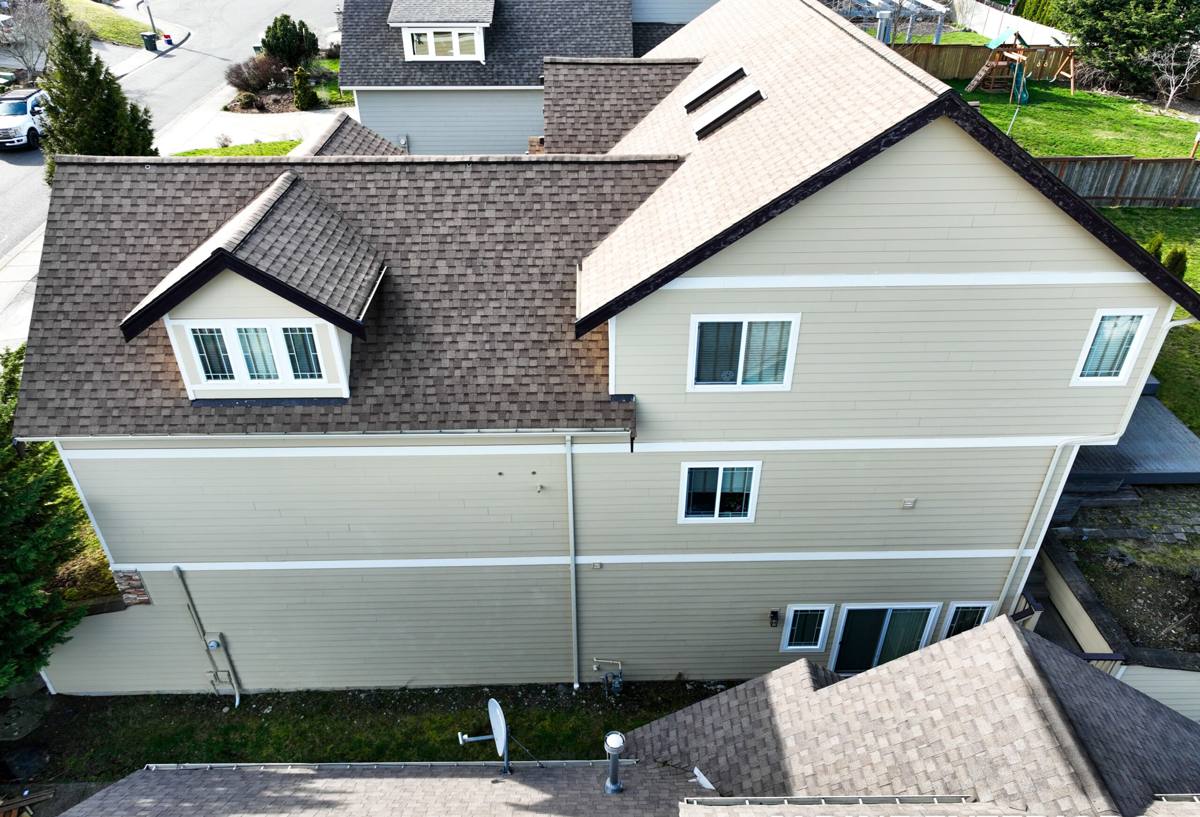
Signs a Clearwater Roof Needs Replacing, Not Just Repair
Repairs make sense when a roof has isolated damage and is otherwise sound. Replacement becomes the honest recommendation when the roofing system as a whole is past the point where patching is a good use of money. Common signs we look for include:
- Widespread granule loss, especially in valleys and on south- and west-facing slopes that take the most UV exposure
- Shingles that are curling, cupping, or have gone brittle enough to crack when walked on
- Exposed or corroding fasteners and flashing, particularly around vents, chimneys, and skylights
- Soft or spongy decking felt underfoot, which usually means water has already been getting through
- Multiple leak points rather than one isolated spot
- A roof approaching or past the tail end of its material's expected service life, especially if it's never been inspected after a major storm
- Missing documentation for wind mitigation features, which matters for both storm performance and insurance
If a roof is showing two or three of these at once, patch-and-repeat repairs tend to cost more over a few years than a properly planned replacement.
What a Correct Roof Replacement Actually Involves
Full Tear-Off vs. Overlay
Installing new shingles over an existing layer is sometimes offered as a cheaper shortcut. We don't recommend it for homes in this climate. An overlay traps moisture and heat between layers, hides the condition of the decking underneath, and voids many manufacturer warranties outright. A correct replacement starts with a full tear-off down to the deck.
Decking Inspection and Repair
Once the old roofing is off, the decking gets inspected board by board. Any wood that's soft, delaminated, or water-stained gets replaced before anything new goes down. Skipping this step is one of the most common ways a "new roof" fails early — the covering is new, but it's fastened to compromised wood underneath.
Underlayment and Flashing
In a coastal wind and rain environment, the underlayment layer is doing more work than people realize. We use underlayment rated for wind-driven rain protection, with self-adhering membrane at vulnerable points like valleys, eaves, and roof penetrations. New flashing goes in at every chimney, wall intersection, vent pipe, and valley — reused old flashing is a common source of leaks that show up a year or two after a "finished" job.
Ventilation
Proper intake and exhaust ventilation keeps attic temperatures and moisture in check, which matters both for shingle life under constant Florida heat and for preventing moisture damage from the inside out. A replacement is the right time to correct ventilation that was never adequate to begin with.
Choosing a Roofing Material for Clearwater's Climate
There's no single "best" roofing material — the right choice depends on budget, how long you plan to stay in the home, and how much maintenance you want to take on. Here's how the common options compare for a coastal Pinellas County home:
| Material | Wind Performance | UV / Heat Behavior | Maintenance | Typical Lifespan |
|---|---|---|---|---|
| Architectural asphalt shingle | Strong when installed with proper nailing pattern and rated products | Granule loss over time from constant sun exposure | Periodic inspection, moderate | 20-30 years |
| Standing seam metal | Excellent wind uplift resistance when properly fastened | Reflects heat well, holds color long-term | Low, occasional fastener/sealant checks | 40-50+ years |
| Concrete or clay tile | Very good wind resistance; underlayment is the real weak point over time | Handles UV and heat with minimal degradation | Low on the tile itself, underlayment needs eventual attention | 50+ years (tile), underlayment sooner |
We'll walk through the honest trade-offs for your specific home rather than pushing one product line. Upfront cost, roof structure, and how long you plan to own the home all factor into which option actually makes sense.
Our Roof Replacement Process
- On-site inspection and honest assessment of your current roof's condition
- Written estimate covering material options, scope of work, and timeline
- Permit pulled through Pinellas County or the local jurisdiction before any work begins
- Full tear-off and disposal of old roofing materials
- Decking inspection, with any needed repairs done before underlayment goes down
- Underlayment, flashing, and ventilation installed to manufacturer and code specification
- New roofing material installed following the fastening pattern required for its wind rating
- Final walkthrough, cleanup, and magnetic sweep of the property for stray nails
- Documentation provided for warranty registration and, where applicable, wind mitigation records
Permits, Wind Mitigation, and Insurance in Pinellas County
A roof replacement in this area is a permitted job, not a weekend project. Permits exist to confirm the work meets Florida Building Code wind-load and product-approval requirements for our coastal wind zone — that's not bureaucracy for its own sake, it's the standard that determines whether your roof is actually built to stay on in a serious storm. We handle the permitting process as part of the job.
A new roof is also a good time to update your wind mitigation inspection. Insurers offer premium credits for verified features like proper roof-to-wall attachment, secondary water barriers, and impact-rated or wind-rated roof coverings. After a full replacement, we can provide the documentation needed to get that inspection updated, which often helps offset part of the cost over time through lower premiums.
Why Hiring a Crew That Already Works Clearwater Matters
A roofing crew that regularly works in Clearwater already knows the local permitting office's requirements, understands which products actually hold up against Gulf-adjacent salt air and wind exposure versus which ones just look good on a brochure, and has relationships with suppliers who stock materials suited to this climate rather than generic inland specs. That familiarity shows up in fewer surprises — permit delays, material substitutions, or details that get missed because a crew is unfamiliar with what coastal Pinellas County conditions actually demand.
Operating out of Oldsmar, we're close enough to Clearwater to be responsive before, during, and after the job — including checking on a roof after a major storm, which matters more here than in most parts of the country.
What to Ask Before You Hire a Roofer
Roofing has a low barrier to entry for the wrong reasons — after any major storm, out-of-area crews show up looking for quick work. Before signing anything, it's worth confirming:
- Active Florida roofing license and general liability plus workers' compensation insurance, verifiable directly with the state
- A written, itemized scope of work — not just a one-line price
- Who pulls the permit, and confirmation it will be pulled before work starts
- Manufacturer certification if a specific product line's enhanced warranty matters to you
- Whether decking repair is included or billed separately if damage is found
- Clear terms on cleanup, debris disposal, and timeline
- A physical local address and references from other work in the area
- Written warranty terms covering both materials and workmanship, and what voids each
What Affects the Cost of a Roof Replacement
| Cost Factor | Why It Matters |
|---|---|
| Roof size and pitch | More square footage and steeper slopes mean more material and labor time |
| Material choice | Asphalt shingle, metal, and tile carry different material and installation costs |
| Decking condition | Rotted or delaminated decking found during tear-off adds repair cost |
| Number of existing layers | Removing multiple old layers takes more labor and disposal capacity |
| Roof complexity | Valleys, dormers, chimneys, and skylights all add flashing and labor time |
| Permit and inspection fees | Set by the local jurisdiction and required regardless of contractor |
We don't publish a flat price online because these factors genuinely change the number from one house to the next — an honest estimate requires actually looking at your roof.
If your Clearwater home's roof is showing its age or you just want an honest read on where it stands, we're happy to take a look. Use the form below to request a free, no-pressure estimate.