 Oldsmar Siding
 Roof Repair in Tampa: Built for What Florida Actually Throws at It
A roof in the greater Tampa Bay area doesn't get an easy life. Homes in and around Tampa, close to Oldsmar and the rest of Pinellas County, sit at the intersection of a few punishing conditions: hurricane-force wind events, some of the most intense year-round UV exposure in the country, wind-driven rain that finds every gap a normal roof wouldn't need to worry about, and salt-laden air drifting in off the Gulf and Tampa Bay. None of these show up one at a time. A roof here is usually dealing with all four at once, which is why repairs that would hold up fine in a drier, calmer climate fail early when they're done without that context in mind.
That's the difference between a roof repair that lasts and one that becomes a callback. This page is about one job specifically: repairing roofs on Tampa-area homes, done by a crew that treats local conditions as the starting point, not an afterthought.
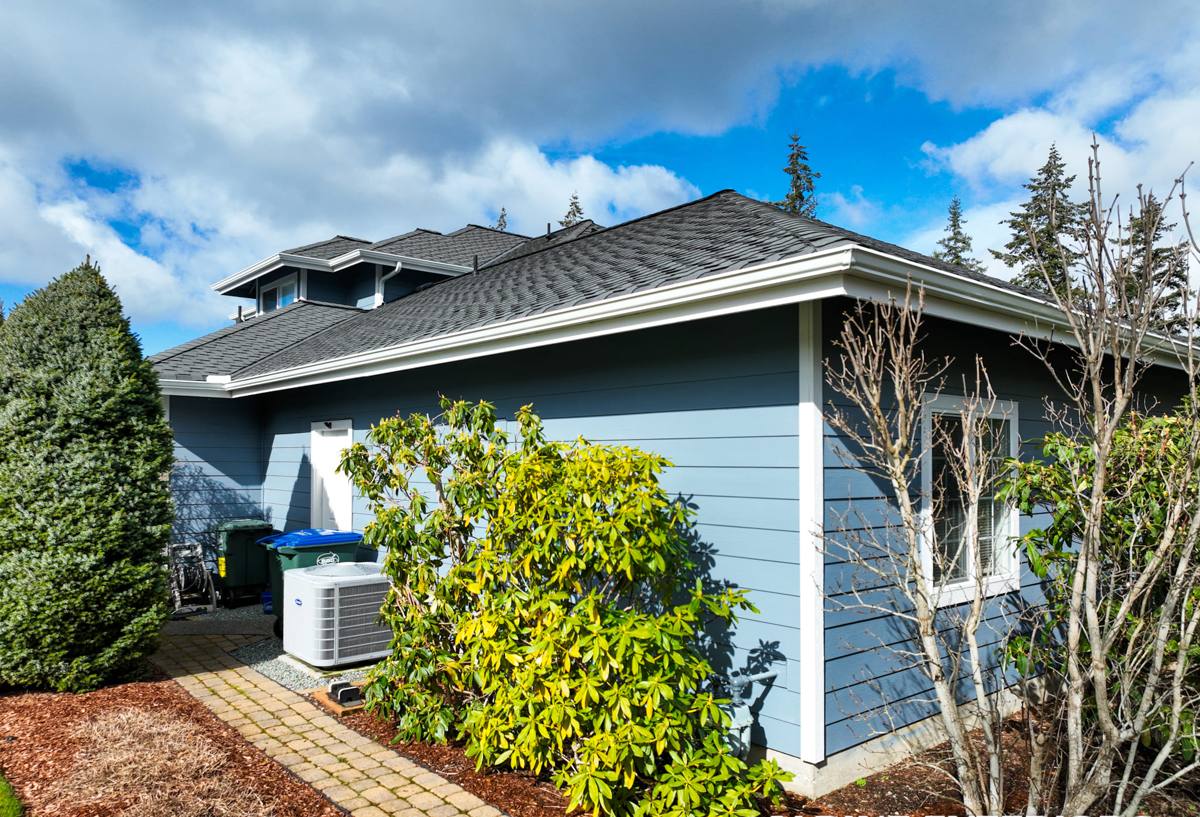
What a Real Roof Repair Actually Involves
"Roof repair" gets used loosely, so it's worth being specific. A legitimate repair means finding the actual source of a problem — not just the spot where water is showing up inside the house — and fixing it with materials and methods that match the rest of the roof system. That includes:
- Removing and replacing damaged shingles, tiles, or panels down to sound decking
- Repairing or replacing flashing at roof-to-wall transitions, valleys, chimneys, and vent penetrations
- Addressing any wet or soft decking underneath the damaged area, not just covering it back up
- Re-sealing and re-nailing to current wind-resistance standards, not just matching what was there before
- Confirming the surrounding roof area isn't hiding a second, related problem
A repair that skips any of those steps might look fine for a season or two, but it's really just a patch. In a climate that cycles between blazing sun, sudden downpours, and periodic tropical systems, patches don't hold.
Common Roof Problems We Find on Tampa-Area Homes
Wind-Lifted and Missing Shingles
Sustained wind and gusts during storms lift shingle edges, break seals, or tear shingles off outright. Even when a shingle isn't missing, a broken seal means the next wind event or wind-driven rain has an easier path underneath it. This is one of the most common repair calls in the Tampa Bay area after any significant storm.
Flashing and Valley Leaks
Flashing is the metal or sealed material at transitions — where a roof plane meets a wall, a chimney, or another roof section. These joints move slightly with heat and age, and once a seal cracks, wind-driven rain will push water sideways and upward under normal shingle overlap. Most "mystery leaks" homeowners report trace back to flashing, not the shingles themselves.
Sun-Baked, Brittle Shingles
Intense, near-constant UV exposure dries out asphalt shingles faster here than in most parts of the country. Brittle shingles crack under foot traffic or wind flex, and granule loss accelerates once the protective coating starts to break down. This shows up as bald patches, granules collecting in gutters, or shingles that crack visibly when lifted for inspection.
Soft Decking and Hidden Rot
Once water gets past the shingle and underlayment layer, it sits on the wood decking. In a humid climate, that moisture doesn't dry out quickly, and rot can spread well beyond the original leak point before it's noticed from inside the attic. Any repair that doesn't check the decking underneath a damaged area is incomplete.
How Our Repair Process Works
Inspection First
Every repair starts with a full inspection of the affected area and the roof sections around it — not just the spot where a leak or damage was reported. Given how interconnected flashing, valleys, and decking are, a problem in one spot often has a related cause a few feet away.
Matching Materials
We repair with materials that match the existing roof system in type, profile, and where possible, manufacturer line, so the repaired section performs and weathers consistently with the rest of the roof. A visibly mismatched patch is often a sign the repair was rushed.
The Actual Repair
Damaged material comes off, decking gets inspected and replaced where needed, flashing and underlayment get rebuilt to current standards, and new shingles or roofing material go on with fasteners and sealing appropriate for coastal wind exposure — not just whatever was used originally.
Cleanup and Walkthrough
Debris and old material are cleared from the property, and we walk the completed repair with the homeowner so they know exactly what was done and why.
Repair or Replace? The Honest Factors
Not every damaged roof needs full replacement, and not every roof is a good candidate for another repair. These are the factors that actually decide it:
| Factor | Favors Repair | Favors Replacement |
|---|---|---|
| Age of roof | Under roughly 10-12 years | Nearing or past expected material lifespan |
| Extent of damage | Isolated to one area or section | Spread across multiple sections or slopes |
| Decking condition | Sound, dry, structurally solid | Widespread soft spots or rot |
| Shingle condition elsewhere | Still flexible, granules intact | Brittle, curling, or balding broadly |
| Prior repair history | First or second repair on this roof | Repeated repairs to the same areas |
We'll give a straight answer on which side of that table your roof falls on. There's no benefit to us in replacing a roof that only needs a repair, and no benefit to you in repairing a roof that's going to keep failing.
Materials We Use and Why
Tampa-area homes carry a mix of roofing types, and each has its own repair considerations:
- Asphalt shingle roofs — the most common type in the area. We use shingles rated for high-wind exposure and pay close attention to nailing pattern and sealant strip adhesion, since this is where under-spec repairs fail first in coastal wind.
- Tile roofs — common on many homes in this region. Tile repair is less about the tile itself and more about the underlayment beneath it, which is the actual waterproofing layer. Cracked or slipped tiles get reset or replaced, but if the underlayment underneath has failed, that's the real fix.
- Metal roofing — less common but present on some homes and outbuildings. Repairs here focus on fastener condition, panel seams, and flashing, since metal roofs fail at connection points long before the panels themselves wear out.
Where we don't recommend a particular material for a given repair, it's a trade-off call — maintenance burden, how it handles moisture over time, or how sensitive it is to installation quality — not a claim that the product itself is bad. We'll walk through those trade-offs plainly so you can make an informed call.
Timing Repairs Around Hurricane Season
Hurricane season runs June through November in this region, and that timing should shape when and how repairs happen:
- Get any known damage — missing shingles, lifted flashing, active leaks — repaired before storm season ramps up, not after the next system is already forecast
- After any named storm or significant wind event, have the roof checked even if there's no visible leak yet; wind damage doesn't always show up immediately
- Keep a record of repair dates and photos for insurance purposes, especially if damage is storm-related
- Don't wait on a small leak — in this climate, a small entry point becomes a decking problem faster than in drier regions
- Schedule non-emergency repairs in the drier late-fall and winter months when possible, so materials cure and seal properly before the next wet season
Why a Crew That Already Works This Area Matters
Roof repair standards aren't identical everywhere. Wind-rating requirements, permitting expectations, and typical construction details vary by region, and a crew that already works Pinellas County and the surrounding Tampa Bay area knows what local building departments expect and what actually holds up against local wind and rain patterns. That matters for the parts of a repair nobody sees once it's finished — fastener spacing, underlayment overlap, flashing technique — because those are the parts that determine whether the repair lasts one storm season or ten.
It also matters for response time. After a significant wind event, demand for roof repair spikes across the whole region at once. A crew already established locally is in a better position to get to storm-related damage quickly, rather than a homeowner waiting behind a long backlog for an out-of-area company to arrive.
Simple Maintenance That Extends a Repair's Life
A properly done repair should last, but a few habits stretch that lifespan further in this climate:
- Keep gutters clear so water isn't backing up under the roof edge during heavy rain
- Trim back overhanging branches that scrape shingles in wind or drop debris into valleys
- Have the roof visually checked after any major storm, even a mild one
- Watch for granule buildup in gutters, which signals accelerating shingle wear from UV exposure
- Address small issues — a lifted shingle corner, a hairline flashing gap — before the next wind-driven rain event finds them
None of this replaces a professional inspection, but it reduces how often you need one on an emergency basis.
If you're dealing with a leak, storm damage, or just want a second opinion on a roof's condition, we're happy to take a look and give you a straight, no-pressure assessment. Use the form below to request a free estimate.