 Oldsmar Siding
 Why Dunedin Roofs Wear Out Faster Than You'd Expect
Dunedin sits close to the Gulf, and that location cuts both ways. The water views are part of what makes the area desirable, but that same coastal exposure is hard on a roof. Hurricane-force winds during the active storm season can lift shingles and work loose flashing that looked fine the week before. Between storms, intense year-round Florida UV bakes asphalt and dries out sealants faster than in most parts of the country. Add wind-driven rain that finds its way under compromised shingle edges and a steady dose of salt air that speeds up corrosion on fasteners and metal components, and you have a roof that's under near-constant stress even when nothing dramatic happens.
None of that means every Dunedin roof needs to be replaced early. It does mean small problems don't stay small for long. A lifted shingle tab or a hairline crack in a boot flashing that might sit harmless for years in a drier, calmer climate can turn into a leak here in a single bad storm season. That's the case for catching repairs early and doing them correctly the first time.
Signs Your Roof Needs Repair, Not Replacement
Most homeowners call us because of a visible symptom — a stain on a ceiling, a shingle in the yard after a windstorm, a soft spot near a vent. The good news is that a large share of these issues are legitimately repairable and don't require a full roof replacement. Here's what we look for when we're deciding whether repair is the right call:
- Isolated missing, cracked, or curling shingles in one section rather than across the whole roof
- Flashing that's pulled away from a chimney, wall, or skylight but the surrounding roof deck is still sound
- A single active leak with a clear, traceable source
- Granule loss concentrated in one area (often the side that takes the most sun or wind)
- Damaged or missing boots around plumbing vent pipes
- Nail pops or fastener backing-out, which is common after repeated wind events
- Minor soffit or fascia damage at a roof edge that hasn't spread to the decking
If the roof covering is old, brittle, and failing in multiple areas at once, or if the decking underneath has soft, spongy spots from prolonged water intrusion, repair stops being a responsible long-term fix and we'll tell you that directly rather than patch something that needs to come off.
When a "Small" Leak Is a Bigger Warning Sign
A ceiling stain the size of a dinner plate doesn't always mean a dinner-plate-sized problem on the roof. Water can travel along rafters or decking before it shows up inside, so the stain's location and the actual leak point are often several feet apart. This is one of the most common reasons DIY roof patching fails — the patch goes over the visible stain's rough location instead of the actual entry point, and the leak comes back with the next storm.
What a Correct Roof Repair Actually Involves
A proper repair isn't just sealing over whatever's visible from the ground. It starts with tracing the problem to its actual source, which usually means getting on the roof and checking flashing, penetrations, valleys, and shingle courses around the affected area — not just the spot directly above the interior stain. From there, the repair should match the existing roofing system: the right shingle profile and weight, flashing metal that won't set up a corrosion reaction with what's already there, and fasteners and sealants rated for exterior, UV-exposed use.
We also check the roof deck itself wherever we open up a section. If plywood underneath has taken on water damage, patching over it without addressing the deck just hides the problem for a season or two. And we check surrounding areas while we're up there — if wind has loosened nearby shingles that haven't failed yet, it's cheaper and more honest to flag that now than to have you call us back after the next storm for something we could have pointed out.
Common Repair Types on Dunedin Roofs
The right repair approach depends heavily on what's actually damaged and how it failed. Here's how we generally categorize the repairs we see most often in this area, along with what typically drives the cost:
| Repair Type | Typical Cause in This Area | Main Cost Factors |
|---|---|---|
| Shingle replacement (localized) | Wind uplift, UV embrittlement, granule loss | Roof pitch/access, shingle match availability, number of courses affected |
| Flashing repair (chimney, wall, skylight) | Sealant failure from heat cycling, wind-driven rain intrusion | Metal type, extent of surrounding shingle removal needed |
| Vent boot replacement | Rubber boot cracking from sustained UV exposure | Number of penetrations, boot material (rubber vs. metal) |
| Valley repair | Debris buildup, wind-driven rain overwhelming an aging valley | Valley length, whether decking needs attention |
| Deck repair under roofing | Long-term undetected leak, storm-driven water intrusion | Size of affected decking, whether insulation/interior repair is also needed |
Costs on any of these can range from a few hundred dollars for a straightforward, single-area fix to a few thousand for repairs involving deck replacement or multiple penetrations. We give you a firm number after we've actually inspected the damage — not a phone estimate based on a description, since two "small leaks" can mean very different scopes of work once we're on the roof.
Roofing Materials: What We Work With and Why
Dunedin has a real mix of roof types — architectural asphalt shingle is the most common, but you'll also find tile and metal roofs, especially on older or higher-end homes near the water. Each has different repair considerations:
Asphalt Shingle
The most straightforward to repair and the most forgiving when it comes to matching existing material, as long as the roof isn't so old that the original shingle color has faded well past what's currently manufactured. We stick with quality architectural shingles rated for high-wind regions rather than builder-grade three-tab, because the added wind rating genuinely matters here.
Tile
Tile roofs can often have individual cracked or broken tiles replaced without disturbing the surrounding field, which is one of tile's real advantages. The tricky part is sourcing a matching tile profile and color on older roofs, and making sure the underlayment beneath the tile — which is the roof's actual waterproofing layer — hasn't degraded even if the tile itself looks fine.
Metal
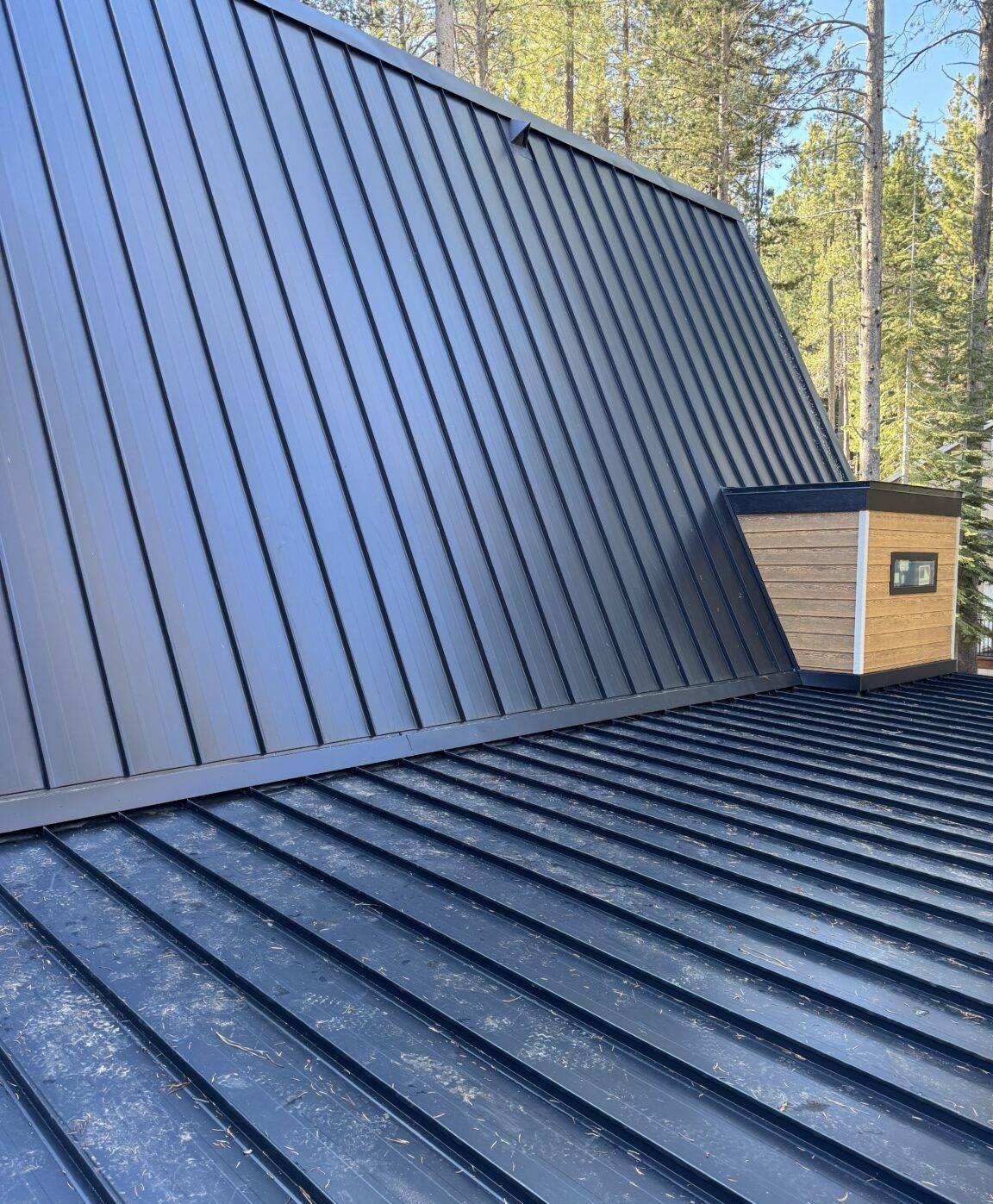
Metal roofing holds up well to wind, but repairs require matching fastener type and panel profile precisely, and salt air exposure means we pay close attention to galvanic corrosion where dissimilar metals might contact each other. A mismatched fastener or flashing metal today can mean a corrosion problem in a few years.
We don't push homeowners toward a full re-roof in a different material just because it's easier for us to source. If your existing roof type is repairable and has useful life left, our standard is to repair it correctly in its existing material rather than upsell a replacement it doesn't need yet.
Our Repair Process
- Inspection. We get on the roof (not just look from the ground or a ladder) and trace the actual source of the problem, checking the surrounding area for related wear.
- Written scope and price. You get a clear explanation of what's damaged, what we'll do about it, and a firm price before any work starts.
- Repair. We match materials to your existing roof system, address the deck if it's compromised, and don't just seal over a symptom.
- Cleanup and walk-through. We clear debris and old materials from the property and show you what was done and where.
For active leaks, we prioritize getting a temporary weatherproof measure in place quickly if a full repair can't happen the same day, so you're not exposed to the next rain event while waiting.
Storm Damage, Insurance, and Permits in Pinellas County
After a significant wind event, it's worth having roof damage documented promptly, whether or not you plan to file an insurance claim right away. We provide photo documentation and a written description of damage as part of any repair estimate, which is useful if you do end up filing. We're not a public adjuster and we don't handle your claim for you, but we'll give you honest, accurate information about what we find — not an inflated damage report designed to maximize a payout, which tends to create problems for homeowners later.
Roof repair work in Pinellas County, including Dunedin, typically requires a permit once the work goes beyond very minor maintenance, and permitted work should be inspected by the local building department. We handle the permitting on jobs that require it. Be cautious of any contractor offering to skip this step — it usually means a bigger problem down the line, either with code compliance or when you go to sell the home.
Why Hiring a Crew That Already Works Dunedin Matters
Roofing crews who work Pinellas County regularly understand things that don't show up in a generic estimate: what wind uplift ratings actually hold up in this area, how salt air affects fastener and flashing choices over time, and what local permitting actually requires versus what gets assumed. That local pattern recognition is part of what keeps a repair from becoming a repeat call. It also means we're not learning the area's building department requirements or supplier lead times on your project — we already know them.
Quick Checklist Before You Call for a Roof Repair
- Note when you first noticed the problem (after a specific storm, or gradually)
- Take photos from the ground if it's safe to do so — don't get on the roof yourself
- Check the attic for staining, damp insulation, or daylight coming through the decking
- Write down which rooms or areas show interior signs of a leak
- Avoid placing a tarp or sealant over the area yourself unless it's a true emergency — it can make diagnosing the real source harder
- Have your roof's approximate age and material type on hand if you know it
If you're dealing with a leak, storm damage, or a roof that's just showing its age in Dunedin, we're happy to take a look and give you a straightforward, no-pressure estimate — no obligation, and no pressure toward a bigger job than what your roof actually needs. Use the form below to get started.