 Oldsmar Siding
 New-Construction Windows for Homes in the Clearwater Area
When a home is being built or undergoing a major addition near Clearwater, the windows going into those rough openings are doing more than letting in light. In Pinellas County, they're also the first line of defense against hurricane-force wind, wind-driven rain, relentless UV exposure, and the slow corrosive effect of salt-laden air coming off the Gulf. New-construction windows are installed differently than replacement windows, and getting that installation right the first time matters more here than almost anywhere else in the country.
We work on new builds and additions throughout the greater Oldsmar and Clearwater area, and this page covers what actually goes into a correct new-construction window job in this climate — not generic window-buying advice, but the specifics that matter for homes going up or expanding in this part of Florida.
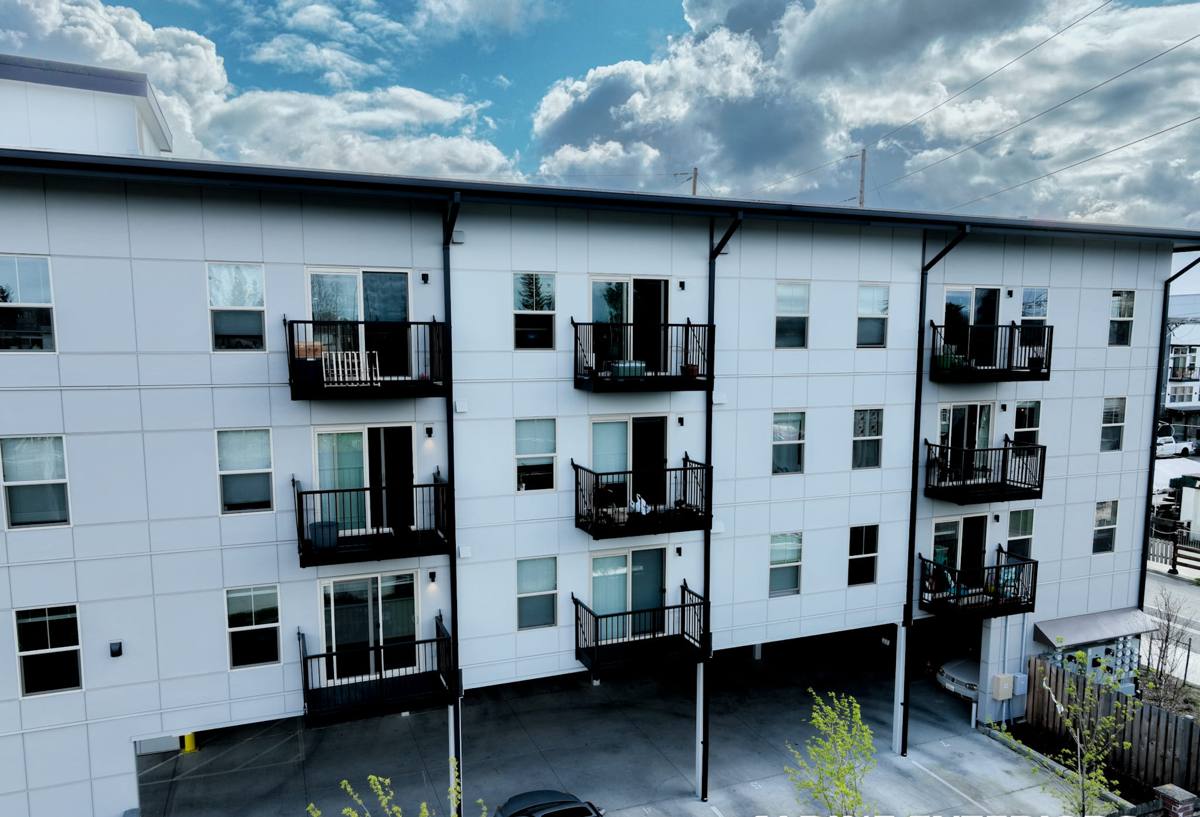
New Construction vs. Replacement: Why the Distinction Matters
"New-construction window" is a specific term, not just a window in a new house. These units have a nailing fin (also called a flange) around the perimeter of the frame. That fin gets fastened directly to the wall sheathing before the weather-resistant barrier, flashing tape, and exterior cladding go on. The window becomes part of the building's water-management system, not something dropped into an existing finished wall.
Replacement windows, by contrast, are typically pocket units installed into an existing frame after the exterior finish is already in place, with no nailing fin and a different flashing approach. Mixing up the two approaches — or having a crew install a new-construction window like a retrofit — is one of the more common ways a brand-new house ends up with a water intrusion problem within a few years.
Because Clearwater-area homes see sideways rain during summer storms and tropical systems, the flashing sequence around a new-construction window has to be done in the correct order every single time. There's no margin for shortcuts here the way there might be in a drier climate.
What Correct Installation Sequencing Looks Like
- Weather-resistant barrier lapped correctly above and below the rough opening before the window goes in
- Sill pan flashing installed to direct any water that gets past the window back out, not into the wall cavity
- Window set, leveled, and shimmed so the frame isn't racked or bowed
- Nailing fin fastened per the manufacturer's schedule — spacing and fastener type matter for wind load transfer
- Flashing tape applied over the fin in the correct shingle-lap order (sides first, then top) so water sheds outward
- Sealant used at the correct points only — over-sealing can trap moisture instead of letting it drain
What This Climate Actually Demands From a Window
Pinellas County sits in Florida's wind-borne debris region, which means new construction here has to meet Florida Building Code wind load and impact requirements for the specific wind zone and exposure of the lot. On top of the wind and impact question, homes near Clearwater deal with three other stressors year-round:
Wind-Driven Rain
Storms here rarely arrive straight-on. Wind pushes rain sideways and upward under eaves and around window edges, which is exactly why flashing detail and sill pan drainage matter more than the window brand itself. A well-flashed mid-range window will outperform a premium window installed with sloppy flashing every time.
Intense, Year-Round UV
Florida sun degrades vinyl, seals, and glazing compounds faster than in northern climates. Low-E coatings and quality frame materials aren't a luxury upgrade here — they're what keeps a window from yellowing, warping, or failing prematurely well before its rated lifespan is up.
Salt Air Corrosion
Even a few miles inland from the Gulf, salt-laden air accelerates corrosion on hardware, fasteners, and certain frame materials. Fastener and hardware selection on a Clearwater-area job should account for this, not just meet the minimum spec for a landlocked build.
Wind and Impact Requirements: What Homeowners Should Know
Every new-construction window installed in this region needs to satisfy the Florida Building Code requirements that apply to the lot's wind zone — either through impact-rated glazing or an approved shutter system paired with non-impact glass. Most homeowners building or adding onto a home near Clearwater choose impact windows outright rather than adding shutters, since it simplifies both the build and the insurance conversation later.
| Option | How It Meets Code | Trade-Offs to Consider |
|---|---|---|
| Impact-rated windows | Laminated glass resists penetration from wind-borne debris directly | Higher upfront cost; no separate shutters to store, deploy, or maintain |
| Non-impact glass + approved shutters | Code-compliant when shutters are deployed before a storm | Requires someone on-site to install shutters; ongoing maintenance of shutter hardware |
| Mixed approach | Impact glass on hard-to-protect elevations, shutters elsewhere | Can lower cost, but adds complexity to insurance documentation |
We'll walk through what your specific lot and elevation require before recommending a direction — it depends on the wind zone designation for the address, not a blanket rule for the whole area.
Frame Material: What Holds Up in This Environment
Frame material affects long-term performance more than most homeowners expect, especially with UV and salt air both working against the window every day. Here's how the common options compare for a Clearwater-area new build:
| Frame Material | UV Resistance | Salt Air / Corrosion | Maintenance |
|---|---|---|---|
| Vinyl | Good with quality compounds; lower grades can chalk or discolor over time | Won't corrode; unaffected by salt air | Low — no painting or sealing needed |
| Aluminum | Very good; holds up structurally under sun exposure | Needs a marine-grade finish or coating near the coast to resist pitting | Moderate — finish should be inspected periodically |
| Fiberglass/composite | Excellent; very stable under thermal and UV cycling | Excellent — inherently corrosion resistant | Low |
We don't push one material as universally "best" — we size the recommendation to the home's exposure, budget, and architectural style, and we're upfront about the maintenance each option asks of you over the next 15–20 years.
Glass and Coatings: Cutting Summer Heat, Not Just Meeting Code
Impact glass alone doesn't guarantee comfort or energy efficiency — the coating and gas fill package matters just as much in a climate this hot. A Low-E coating tuned for a hot-humid climate blocks a meaningful share of solar heat gain without darkening the glass noticeably, and argon or krypton gas fill between panes improves insulation value. For a new build, this is the stage to get the glass package right, since it's far more disruptive to change later than it is to spec correctly during construction.
Our New-Construction Window Process
We coordinate directly with builders, general contractors, or homeowners managing their own build, and we work around your framing and rough-in schedule rather than the other way around.
- Plan review and wind-load check — we confirm the wind zone and impact requirements for the specific address before ordering anything
- Rough opening verification — openings are checked for square, level, and correct sizing before windows arrive on-site
- Window selection walkthrough — frame material, glass package, and grille or style options reviewed against budget and the home's design
- Flashing and installation — sill pan, weather-resistant barrier integration, nailing fin fastening, and flashing tape applied in the correct sequence
- Final inspection and sealant detail — exterior sealant applied at the correct joints only, hardware checked, and operation tested on every unit
We document each stage of the flashing and installation work as it happens, since that's the part of the job an inspector — and eventually a future buyer's home inspector — can't see once the siding or stucco goes on over it.
Why Local Experience in the Oldsmar–Clearwater Area Matters
A crew that only occasionally works this coastline treats hurricane wind zones, salt air, and Florida Building Code impact requirements as a checklist to look up. A crew that works the Oldsmar and Clearwater area regularly already knows the wind zone patterns, has relationships with local building departments, and has seen firsthand what fails on Gulf-coast homes over time and why. That experience shows up in details a first-time or out-of-town crew is more likely to miss — sill pan drainage direction, fastener choice near the water, and flashing sequencing that accounts for how rain actually hits this stretch of coastline.
We also know that a new-construction window job isn't just about the day of install. It has to pass inspection, satisfy the builder's schedule, and hold up through the first several hurricane seasons without a callback. That's the standard we hold every install to.
A Simple Checklist Before You Sign Off on Window Install
- Confirm the windows on-site match the wind zone rating specified for your address, not just a generic "impact" label
- Ask to see the flashing sequence before siding or stucco covers it
- Verify fastener type and spacing match the manufacturer's installation instructions
- Check that sealant is applied at joints only, not packed into weep holes or drainage paths
- Get the manufacturer's installation certificate or documentation for your insurance and permit records
Get a Straight Answer for Your Build
Every lot near Clearwater has its own wind zone, exposure, and design considerations, so the right window package for your build depends on specifics we'd rather walk through in person than guess at here. If you're planning a new build or addition and want a straightforward assessment of what your windows need to meet code and hold up in this climate, we're glad to take a look and put together a free, no-pressure estimate using the form below.