 Oldsmar Siding
 Storm Damage in Largo: What Pinellas County Roofs Face
Largo sits in one of the more exposed corners of Pinellas County, close enough to Tampa Bay and the Gulf that every named storm, every summer squall line, and every ordinary afternoon thunderstorm puts real load on a roof. Hurricane-force winds get the headlines, but the damage that actually costs homeowners money is often quieter: shingles lifted just enough to break their seal, flashing worked loose by repeated gusts, granules stripped by wind-driven rain hammering the same slope for hours. Add in Florida's year-round UV exposure baking the shingles brittle and salt air slowly corroding fasteners and metal components, and you have a roof that ages faster here than it would almost anywhere else in the country.
None of that means every roof in Largo is in bad shape. It means storm damage doesn't always look dramatic, and a roof that "looks fine" from the driveway after a storm can still have real, developing problems. That's the gap this page is about — what storm damage actually looks like on a Largo roof, what a correct repair involves, and how our process works when you call us in.
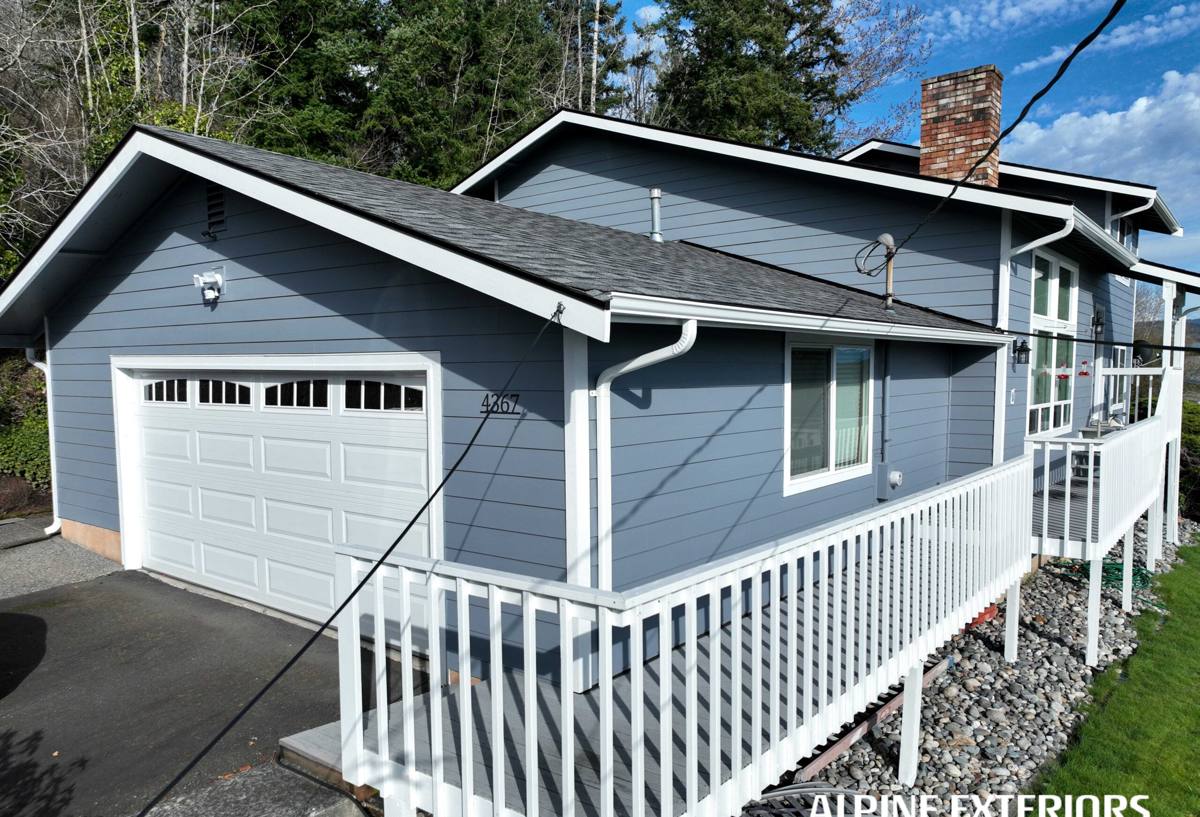
Recognizing Storm Damage on Your Largo Roof
Most storm damage falls into a handful of categories, and each one behaves differently over time.
Wind damage
Sustained wind and gusts can lift shingle tabs, break the adhesive seal strip, or tear shingles off outright. Partial lifting is the sneaky one — the shingle looks intact but the seal is broken, which means the next rain event drives water underneath it instead of over it.
Wind-driven rain
In Florida storms, rain rarely falls straight down. When it comes in sideways, it finds every gap in flashing, every worn pipe boot, every spot where a shingle isn't sitting flat. Wind-driven rain is responsible for more interior leaks after storms than any other single cause we see.
Hail and impact damage
Less frequent here than in some parts of the country, but not absent. Hail bruises and cracks shingle mat, knocking granules loose in a pattern that's often invisible from the ground.
Debris impact
Branches, loose gutters, and airborne yard debris during high wind events can puncture shingles or crack tile, creating a point source for water intrusion that's easy to miss without a close inspection.
A roof can have any combination of these after one storm, and the visible damage — a few missing shingles, a dented vent cap — is often the smallest part of the problem.
Why Fast, Correct Repair Matters After a Storm
Two things happen once a roof's protective layer is compromised, and both get worse with time, not better.
First, secondary damage. A single broken seal or cracked flashing doesn't just leak once — it leaks every time it rains, and Pinellas County gets a lot of rain. Water traveling under shingles and underlayment reaches decking, insulation, and eventually drywall and framing. What starts as a repair measured in hours can turn into a repair measured in days if it sits through a few more storms.
Second, insurance timing. Most policies require prompt reporting and documentation of storm damage, and adjusters want to see damage that's clearly tied to a specific weather event, not damage that's had weeks to spread and blur together with ordinary wear. Getting a professional inspection soon after a storm protects both your roof and your claim.
What a Proper Storm Damage Roof Repair Actually Involves
A correct storm repair is not just "replace the missing shingles." It starts with figuring out the actual extent of the damage, because storm damage is rarely limited to what's visible from the ground.
- Full-roof inspection — not just the area with obvious damage. Wind and rain rarely hit a roof in one isolated spot.
- Decking check — soft, delaminated, or water-stained decking underneath damaged shingles has to be identified before new material goes on top of it.
- Underlayment assessment — if water has reached the underlayment, patching the shingle layer alone won't stop the leak.
- Flashing review — around chimneys, vents, skylights, and roof-wall intersections, since flashing failure is one of the most common sources of storm leaks.
- Matching materials — replacement shingles or tile should match existing coloring and profile as closely as possible, not just function.
Skipping any of these steps is how a "repair" ends up needing to be redone after the next storm.
Our Storm Damage Repair Process in Largo
When you call us after a storm, here's what to expect:
1. Inspection and documentation
We walk the roof (or use appropriate access for the roof type) and document every area of damage with photos and notes. This documentation matters for your own records and for any insurance claim.
2. Temporary protection if needed
If a roof is actively leaking or has an open area exposed to weather, stopping further water intrusion comes first — tarping or emergency sealing to buy time until permanent repair.
3. A clear, written repair plan
We explain what's damaged, what needs to be repaired versus replaced, and why — in plain language, before any work starts.
4. The repair itself
Matched materials, proper flashing and sealing, and decking replacement where needed — done to hold up through the next storm, not just pass a quick look.
5. Final walkthrough
We go over the completed work with you so you know exactly what was done.
Repair Options and Cost Factors
Not every storm-damaged roof needs the same scope of work. The table below outlines the general categories homeowners typically face and what drives the cost within each one.
| Repair Type | What It Addresses | Typical Cost Drivers |
|---|---|---|
| Spot shingle/flashing repair | Isolated missing shingles, damaged flashing, a single leak point | Roof accessibility, pitch, material match availability |
| Section repair | Wind damage concentrated on one slope or roof plane | Square footage affected, underlayment condition, decking condition |
| Decking replacement | Water-damaged or delaminated plywood/OSB beneath shingles | Number of sheets replaced, extent of hidden rot |
| Full re-roof | Widespread damage across most or all of the roof | Total roof area, material type, tear-off and disposal |
Every roof is different, and the only way to know which category yours falls into is a hands-on inspection — we'll give you an honest read on scope before recommending a path.
Working With Your Insurance Company
Storm damage claims move faster and go smoother when the documentation is thorough from the start. We provide detailed photos, written scope of damage, and a clear repair estimate that adjusters can work from. We're not a public adjuster and we don't negotiate your claim for you, but we make sure the roofing side of your claim is backed by accurate, professional documentation rather than guesswork. If your policy requires a licensed contractor's assessment, that's exactly what we provide.
Choosing a Storm Repair Contractor Who Knows Largo
After any significant storm, out-of-town crews show up canvassing neighborhoods across Pinellas County looking for quick work. Some are legitimate. Many disappear before a warranty means anything. A few things worth checking before you sign anything:
- Verify the contractor is licensed to work in Florida and carries current liability and workers' comp insurance — ask to see it, don't just take their word for it.
- Ask for a physical local address and how long they've worked in this area, not just a phone number.
- Get the scope of work and materials in writing before any deposit changes hands.
- Be cautious of anyone pressuring you to sign an insurance assignment of benefits without explaining exactly what it means.
- Ask how they handle decking replacement if it's discovered mid-repair — that answer tells you a lot about how thorough their process is.
- Confirm what warranty applies to the repair itself, separate from any manufacturer material warranty.
A crew that's actually established in Pinellas County has a reputation to protect here long after the storm season headlines fade — that accountability is worth more than a slightly faster response time from someone passing through.
Preventing the Next Storm From Doing More Damage
Once storm repairs are done, a few habits reduce how much the next storm can hurt you. Keep gutters clear so wind-driven rain has somewhere to go instead of backing up under roof edges. Trim back tree limbs that could become debris in high wind. Have your roof looked at after any significant weather event, even if nothing looks obviously wrong — small issues caught early are far cheaper than the leak they'd eventually cause. And keep records of any prior repair work, since a documented repair history makes future insurance claims and inspections faster.
If your Largo roof took a hit in a recent storm, or you're just not sure whether what you're seeing is a real problem, we're happy to take a look. Reach out for a free, no-pressure estimate using the form below — we'll give you a straight answer about what's actually going on with your roof.