 Oldsmar Siding
 Windows Built for What Largo Weather Actually Does
Largo sits close enough to Tampa Bay and the Gulf that its homes take on a specific combination of stress most inland properties never see. Hurricane-force wind gusts push and pull on window frames during tropical systems. Year-round UV breaks down seals, vinyl, and glazing compounds faster than in most of the country. Wind-driven rain finds any weak point in a window's flashing or seal and works it wider over time. And salt-laden air, even several miles inland, slowly corrodes hardware, screws, and metal components that weren't specified for coastal exposure. None of this is dramatic on any single day — it's cumulative. A window that was installed correctly and specified for this climate will still be doing its job in fifteen years. One that wasn't will start showing problems in five.
Custom windows aren't about luxury finishes first — they're about getting the right window, sized and specified correctly, for the specific openings, orientation, and exposure of a Largo home. That's a different conversation than ordering off-the-shelf sizes from a big-box store, and it's why the fit and installation matter as much as the window itself.
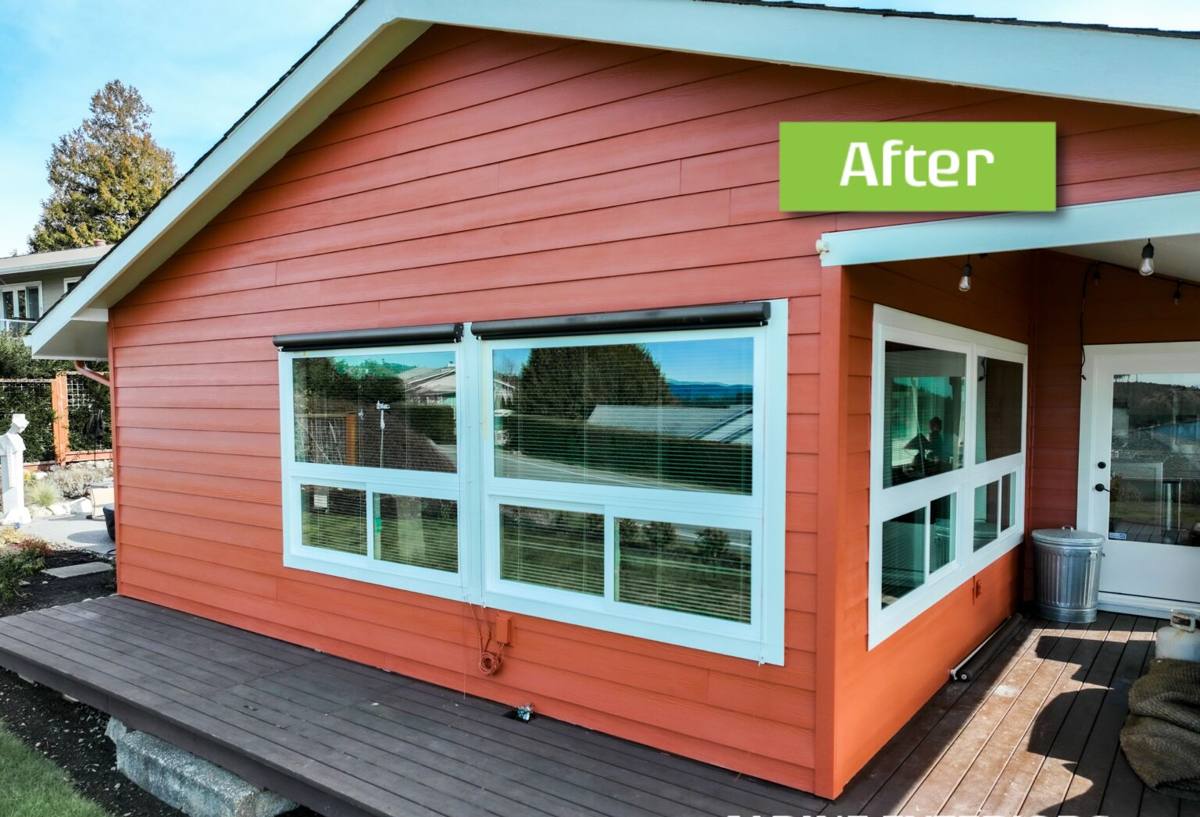
What "Custom" Actually Means Here
"Custom" gets used loosely in this trade, so it's worth being specific about what it means for a window job done right in this area.
Exact Measurements, Not Nominal Sizes
Florida homes, especially older ones, rarely have perfectly square or uniformly sized openings. Settling, prior renovations, and original construction tolerances all add up. A custom approach means every opening gets measured individually rather than assuming a stock size will fit with shims and extra caulk to hide the gaps.
Glass and Frame Specs Matched to Exposure
A west-facing window catching afternoon sun all year has different needs than a shaded window on the north side. Impact resistance, tint, and low-E coatings should be chosen based on where the window actually sits on the house, not applied uniformly because it's easier to order one spec for the whole project.
Style That Fits the Home
Custom also covers matching window style — single-hung, casement, picture, bay — to both the architecture of the home and how the room is actually used. A kitchen sink window and a bedroom egress window don't need to be the same style just because it's simpler to order that way.
Window Types and How They Hold Up in This Climate
There's no single "best" window for every Largo home — it depends on the opening, the budget, and how much wind and storm protection the homeowner wants built into the glass itself versus handled separately with shutters or panels. Here's a general comparison to help frame the decision:
| Window Type | Wind/Impact Performance | Maintenance Over Time | Best Fit |
|---|---|---|---|
| Standard (non-impact) vinyl or aluminum | Requires separate shutters or panels for storm protection | Seals and hardware need earlier attention in salt-air exposure | Budget-conscious projects on protected openings |
| Impact-rated (laminated glass) | Built to resist wind-borne debris without added shutters | Lower ongoing maintenance; fewer moving parts to protect before storms | Most exposed elevations, primary living areas |
| Casement (crank-out) | Compression seal tends to resist wind-driven rain well when hardware is maintained | Hardware needs periodic lubrication and inspection | Openings that need active ventilation with a tight seal |
| Single/double-hung | Performance depends heavily on lock and balance hardware quality | Tracks and weep holes need periodic cleaning | Traditional Florida home styles, easy operation |
None of these are automatically wrong for a given home — the right call depends on the specific opening, its exposure, and the homeowner's priorities around cost versus long-term maintenance. We'll walk through the trade-offs for your actual house rather than pushing one answer for everyone.
Signs a Largo Home's Windows Need Attention
Window failure in this climate is usually gradual, not sudden. A few things worth checking:
- Fogging or moisture between panes on dual-pane windows — the seal has failed and the insulating gas is gone
- Difficulty opening, closing, or locking — frames can warp slightly from heat and humidity cycling
- Visible daylight or a draft around the frame when closed
- Chalky, pitted, or discolored aluminum or vinyl frames from years of UV exposure
- Soft spots or staining on the wall or trim below or beside a window — a sign water has been getting past the seal
- Rising energy bills without another clear explanation, especially in rooms with older windows
- Visible rust or corrosion on hardware, hinges, or screws — common near the coast even a few miles inland
Any one of these on its own isn't necessarily urgent, but a home with several of them is usually a home where the windows are past their useful service life.
What a Correct Installation Actually Involves
The window itself is only part of the job. Installation quality is what determines whether that window performs for fifteen-plus years or starts leaking within the first few storm seasons.
Removal Without Damaging the Opening
Old windows and their surrounding nailing fins or frames need to come out cleanly so the rough opening can be inspected for hidden rot, moisture damage, or prior repair shortcuts before anything new goes in.
Flashing and Water Management
This is the step that gets skipped most often on rushed jobs and matters most in wind-driven rain. Proper flashing directs any water that gets past the window frame back out and away from the wall structure, rather than letting it track inward.
Fastening and Sealing to Spec
Impact and non-impact windows both have manufacturer-specified fastening patterns and sealant requirements. Skipping fasteners or using the wrong sealant is invisible on install day and becomes a leak or a failed inspection later.
Interior and Exterior Finish Work
Trim, caulking, and interior finish should be completed cleanly, not left as an afterthought once the window is technically "in."
Our Process, Start to Finish
- On-site assessment — we look at each opening individually, note exposure and condition, and talk through what you actually want out of the windows (comfort, storm protection, appearance, or all three)
- Honest recommendation — we'll tell you where impact glass makes sense, where it's optional, and where a standard window with good installation is the more sensible spend
- Detailed, written estimate — specific to your home's openings, not a generic per-window rate
- Scheduling — we plan around weather and give you a realistic timeline rather than an optimistic one
- Installation — removal, opening inspection, flashing, setting, fastening, and sealing done to spec, opening by opening
- Final walkthrough — we check operation, seals, and finish work with you before calling the job done
What Affects the Cost
Window pricing varies a lot based on a few real factors, and it's worth understanding them before you compare quotes:
| Factor | Why It Changes the Price |
|---|---|
| Impact vs. non-impact glass | Laminated impact glass costs more per window but can reduce or eliminate the need for separate shutters |
| Window size and opening condition | Non-standard sizes and openings needing repair take more labor and material |
| Number of windows done at once | Bundling a full-home replacement typically costs less per window than doing them one or two at a time over several years |
| Frame material | Vinyl, aluminum, and composite frames differ in upfront cost and long-term maintenance |
| Access and complexity | Second-story windows, tight openings, or extra trim work add labor time |
We give written, itemized estimates so you can see exactly what's driving the number, rather than a flat "per window" figure that hides the details.
Permits and Wind Zone Requirements
Window replacement in Pinellas County generally requires a permit, and the products used need to meet the wind zone and pressure requirements for this part of Florida. This isn't optional paperwork — it's what protects you if there's ever a warranty question, an insurance claim, or a future home sale where buyers or their inspectors ask about permit history. We handle the permitting process as part of the job rather than leaving it for the homeowner to sort out, and we don't cut corners on product ratings to save time on the application.
Why Hiring a Crew That Already Works This Area Matters
A contractor who regularly works in Largo and the broader Oldsmar area already understands the local permitting process, the general housing stock and construction era common here, and what this climate does to windows over time — because they're the ones who get called back to fix installs that skipped a step. That familiarity shows up in small ways: knowing which flashing details matter most for wind-driven rain, not guessing at wind zone requirements, and setting realistic expectations about maintenance in a salt-air environment. It also means someone local is easy to reach if a question comes up after the job is finished, rather than chasing down a company that was only in the area for one project.
Get a Free, No-Pressure Estimate
If your Largo home's windows are original, showing wear, or you're just weighing options for an upcoming project, we're happy to take a look and give you a straight assessment — no pressure, no upsell script. Fill out the form below and we'll set up a time to come by.