 Oldsmar Siding
 Why East Lake Siding Has to Work Harder Than Most
East Lake sits in the cluster of residential communities around Oldsmar, in Pinellas County, and like the rest of the Tampa Bay area it doesn't get a mild version of Florida weather. Homes here deal with hurricane-force wind loads during storm season, intense and nearly constant UV exposure the other nine months of the year, wind-driven rain that gets pushed sideways into any gap in a wall assembly, and salt-laden air drifting in off Tampa Bay and the Gulf that accelerates corrosion on anything not built to resist it. Siding in this environment isn't a cosmetic layer sitting on top of the house — it's the actual barrier standing between the framing and four different kinds of punishment happening at once, sometimes in the same afternoon.
That combination is why so many siding failures we see aren't really installation failures at first — they're material failures. Vinyl softens, warps, and gets brittle under sustained heat and UV cycling. Untreated or poorly detailed wood trim rots from the inside out once wind-driven rain finds a seam. Lower-grade fiber cement that isn't properly sealed at cut edges starts absorbing moisture at exactly the joints and corners where water pressure is highest during a storm. None of that is theoretical for a house in this part of Pinellas County — it's just a matter of time.
What We Typically Find on Homes in This Area
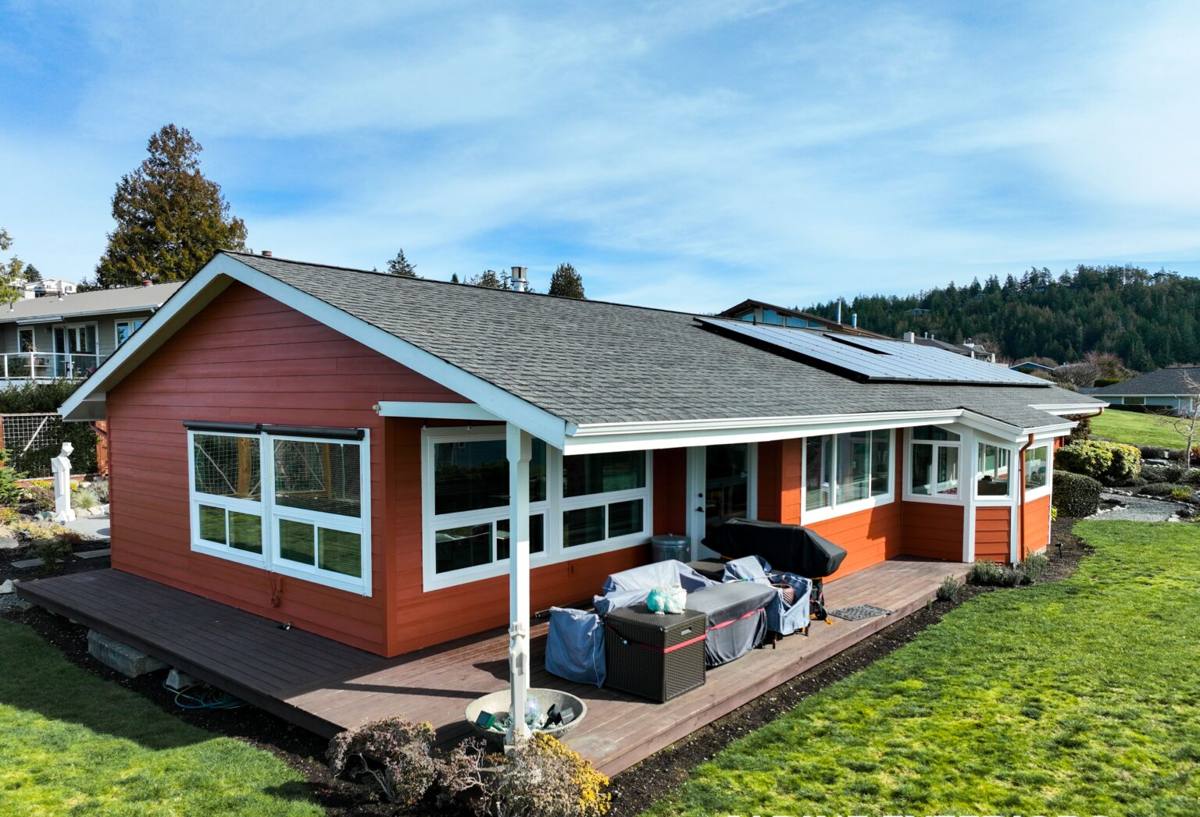
East Lake has a mix of homes built across different decades, and it's common to see additions, garages, or bonus rooms with siding that doesn't match the age or type of the original structure. We regularly find original wood or vinyl siding that's reached the end of its practical life, caulk joints that have shrunk and cracked open, and trim boards that look fine from the street but are soft to the touch once you get close. None of that is a knock on the homeowner — it's just what happens to lower-durability materials after enough Florida summers and storm seasons. It's also exactly why we don't recommend replacing failed siding with the same category of product that failed the first time.
Why We Only Install James Hardie
We made a decision as a company to install James Hardie fiber cement exclusively — not vinyl, not LP SmartSide, not Cemplank or Allura, not primed spruce or cedar. That's not a marketing position, it's a professional standard built around what actually holds up in this climate over the long run.
A Non-Combustible, Engineered Core
James Hardie siding is fiber cement — a mix of cellulose fiber, sand, cement, and water, cured into a rigid, non-combustible board. It doesn't feed a fire the way wood-based or wood-composite products can, it doesn't soften in extreme heat the way vinyl does, and it holds its shape and fastening under wind load in a way that engineered wood products often can't match once moisture gets involved.
ColorPlus Factory Finish
Most of what we install uses Hardie's ColorPlus finish — a color baked on at the factory under controlled conditions, rather than field-painted after installation. That finish is formulated to resist UV fade and hold color consistency far longer than a standard field-applied paint job, which matters enormously under Florida sun exposure that's more intense and more constant than most of the country ever deals with.
Built for This Exact Climate
Hardie engineers its HZ5 product line specifically for hot, humid, high-moisture climates like ours — Gulf Coast humidity, salt exposure, and heavy seasonal rain are the design brief, not an afterthought. Combined with a strong transferable warranty, that's the kind of engineering match we want standing on a house in Pinellas County, not a general-purpose product that happens to also get sold here.
James Hardie Product Lines That Fit East Lake Homes
Not every Hardie profile is right for every home. Part of doing this correctly is matching the product line to the home's architecture and exposure, not defaulting to whatever is fastest to install.
| Product Line | Best Use | Why It Fits This Area |
|---|---|---|
| HardiePlank Lap Siding | Most single-family homes, traditional and coastal styles | Widest color and texture range; handles direct wind-driven rain exposure well when flashed correctly |
| HardiePanel Vertical Siding | Gable ends, accent walls, modern facades | Fewer horizontal seams for water to find; strong look on additions or feature walls |
| HardieTrim Boards | Corners, window and door surrounds, fascia | Non-combustible, dimensionally stable trim that won't rot the way wood trim does in humid conditions |
| HardieSoffit Panels | Eaves and overhangs | Resists moisture and pest damage in an area that traps humidity against the roofline |
What a Correct Installation Actually Involves
Fiber cement siding is only as good as the assembly it's installed into. A lot of the failures we get called out to inspect on other companies' work trace back to shortcuts at exactly the details that matter most in a wind-and-rain climate.
Weather Barrier and Flashing
Everything starts with a continuous, properly lapped weather-resistant barrier behind the siding, with flashing integrated at every window, door, and roofline penetration so water is directed out and down rather than into the wall cavity. This is the layer nobody sees once the job is done, and it's the layer that determines whether the house stays dry during a sideways summer storm.
Fastening and Clearances
Hardie specifies fastener type, spacing, and placement for a reason — under-fastened siding is a wind-uplift risk, and over-driven fasteners crack the board and create a moisture entry point. We also hold the manufacturer's minimum clearances from grade, roofing, and decking so the bottom edge of the siding isn't sitting in standing water or trapped humidity.
Joints, Caulking, and Paint
Butt joints, corners, and trim transitions get sealed with the products and methods Hardie specifies — not just whatever caulk is on the truck. On cut edges and field-painted areas, factory-matched primer and paint are used so the finish performs the same way the factory-finished sections do, rather than becoming the first spot to fail.
Our Process for an East Lake Project
- On-site assessment: We walk the exterior, check the substrate condition, note problem areas like soft trim or failed flashing, and measure for the right Hardie profiles.
- Tear-off and substrate repair: Old siding comes off, and any rotted sheathing or framing found underneath gets repaired before anything new goes up — covering a compromised substrate is how good siding fails early.
- Weather barrier and flashing installation: A continuous barrier and correctly lapped flashing go in at every penetration before the first piece of siding is hung.
- Hardie installation: Panels or planks are installed to manufacturer spec for fastening, clearance, and joint treatment.
- Trim, caulking, and paint touch-up: Trim is set, joints sealed, and any field-cut or field-painted areas matched to the factory finish.
- Final walk-through: We review the completed exterior with the homeowner before calling the job done.
What Drives Cost on a Project Like This
Every East Lake home is different, so we don't quote off a flat rate — but the same factors move the number up or down on almost every project.
| Cost Factor | Why It Matters |
|---|---|
| Home size and wall complexity | More square footage and more corners, dormers, or gables mean more material and labor time |
| Existing siding removal | Tear-off and disposal of old vinyl, wood, or failed fiber cement adds labor beyond a fresh install |
| Substrate repair | Rotted sheathing or framing found during tear-off needs to be fixed before new siding goes on |
| Product line and profile | Lap width, panel style, and trim detail all affect material cost |
| Trim and architectural detail | Homes with more windows, gables, or accent features take more precision and time |
| Color and finish choice | ColorPlus factory finish versus field-painted trim affects material and labor costs differently |
Keeping Hardie Siding Performing in a Salt-Air, High-Wind Climate
James Hardie siding is low-maintenance compared to wood or vinyl, but "low-maintenance" doesn't mean "no maintenance" — especially this close to salt air and storm activity.
- Rinse the siding periodically to clear salt film and airborne grime before it builds up
- Inspect caulk lines at joints, corners, and trim yearly and re-caulk any that have shrunk or cracked
- Check flashing and kick-out details above windows, doors, and rooflines for signs of water staining
- Walk the exterior after any major storm and look for hairline cracks, loose panels, or impact damage
- Keep irrigation heads and sprinklers from spraying directly on the siding, which accelerates mineral buildup
- Trim back vegetation touching the siding so moisture and pests don't get trapped against it
Why Hiring a Crew That Already Works This Area Matters
Pinellas County's wind-borne debris and building code requirements aren't identical to what a crew might be used to elsewhere in Florida, and getting flashing, fastening, and clearance details right the first time is what keeps a siding job performing through hurricane season instead of needing repair after the first one. A crew that regularly works East Lake and the surrounding Oldsmar communities already understands the local permitting process, has a feel for how homes in this area were built across different eras, and isn't learning the region's climate demands on your house. That familiarity shows up in fewer surprises during tear-off, fewer callbacks, and a finished job that's actually built for what this specific stretch of coastline throws at it.
If your East Lake home has siding that's cracking, warping, staining, or just past its practical lifespan, we're glad to take a look and walk you through what a correct James Hardie installation would involve for your specific house. Reach out for a free, no-pressure estimate using the form below.