 Oldsmar Siding
 New-Construction Windows, Done Right From the Start
"New-construction windows" refers to a specific type of window and a specific installation method — not just any window going into a house. These units have a nailing fin (sometimes called a flange) around the perimeter of the frame that gets fastened directly to the wall sheathing before the exterior finish — stucco, siding, or brick veneer — goes on. That's different from a replacement or retrofit window, which gets inserted into an existing opening after the exterior finish is already in place. If you're building new in Forest Lakes, adding a room, enclosing a lanai, or replacing windows down to the rough opening, you're in new-construction territory, and the sequencing of the work matters as much as the window itself.
Forest Lakes sits within Oldsmar, in Pinellas County, on a stretch of the Gulf coast that sees real weather stress on building envelopes. Getting a new-construction window installation right the first time isn't about brand names — it's about the flashing, the fastening, and the sealant details that you'll never see again once the wall is closed up.
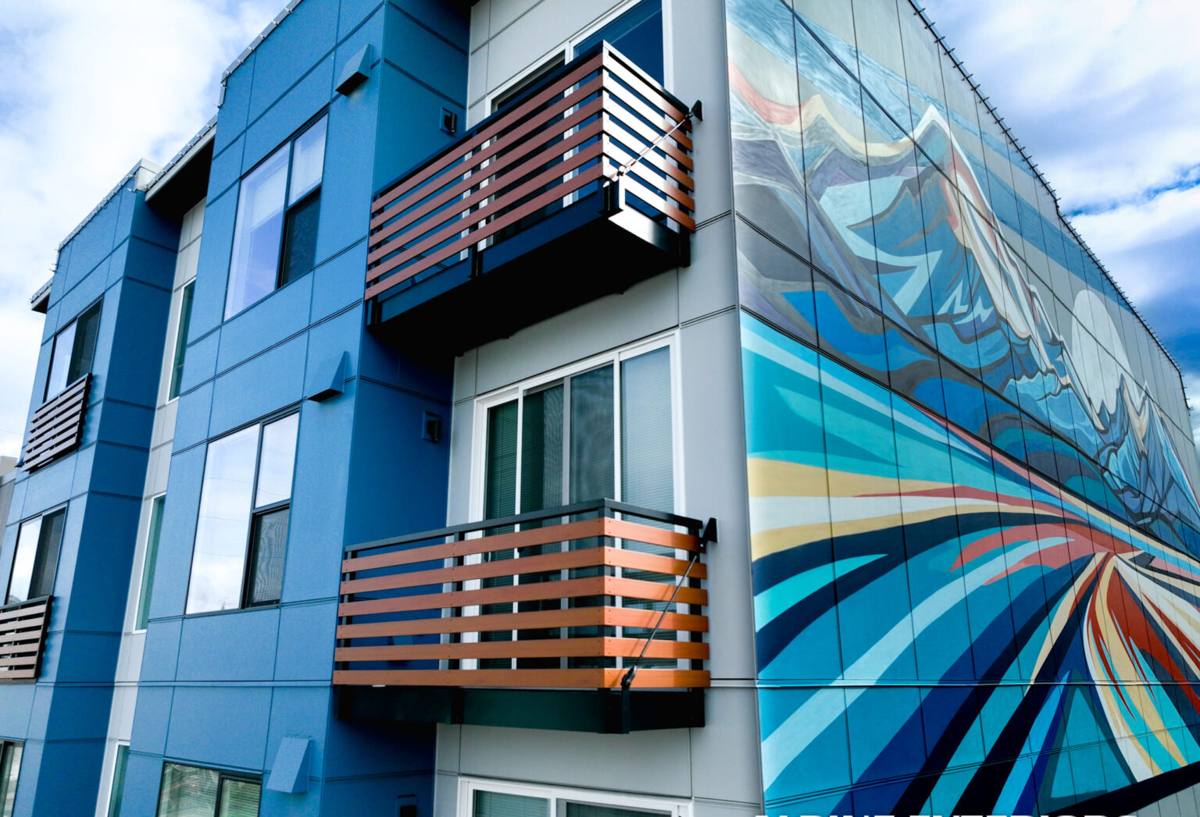
What Forest Lakes Homes Are Actually Up Against
Oldsmar sits close enough to the coast that homes here deal with a combination of stressors most inland construction never has to plan for:
- Hurricane-force wind loads — the window and its attachment to the structure both have to be engineered and installed to hold under sustained pressure and wind-borne debris impact, not just sit in the opening.
- Intense, year-round UV exposure — Florida sun degrades vinyl, breaks down cheap sealants, and fades interior finishes faster than in most of the country.
- Wind-driven rain — Florida storms don't just fall, they push sideways into wall assemblies. A window that's watertight in a light rain can still leak in a wind-driven event if the flashing sequence underneath it was done wrong.
- Salt air — even a few miles inland from Tampa Bay, airborne salt accelerates corrosion on fasteners, hardware, and metal window components that aren't rated for it.
None of these show up as a problem on install day. They show up two, five, or ten years later — as a soft spot in the drywall below a window, a hardware set that won't turn, or a frame that's chalked and brittle. A correctly installed, correctly specified window is cheap insurance against all of it.
What a Correct New-Construction Installation Actually Involves
The Weatherproofing Sequence
The window itself is only one layer of a system. Before it ever goes in the opening, the rough opening needs to be flashed — typically with a sill pan and self-adhered flashing tape that directs any water that gets past the window back out, not into the wall cavity. The housewrap or building paper has to be integrated with that flashing in the correct shingle-lap order (upper layers over lower layers) so water always sheds downward and outward. Skip or reverse that sequence and you've built a leak path into the wall that won't show itself until it's already caused damage.
Fastening and the Nailing Fin
The nailing fin gets fastened to the sheathing at the spacing and fastener type called out by the window's product approval — not "however many nails looked right." Florida product approvals (Florida Product Approval or Miami-Dade NOA) specify exact fastening schedules tied to the window's tested wind rating. Under-fastening is invisible until a storm tests it.
Sealant and Shimming
Windows also need to be shimmed square and plumb in the opening — not just fastened where they happen to sit — so the sash operates correctly and the frame isn't under stress that leads to premature seal failure. A quality, UV-stable exterior sealant at the perimeter, paired with backer rod where the gap calls for it, finishes the water seal. Cheap caulk that isn't rated for sustained UV exposure is one of the most common early-failure points we see in Florida installs.
Wind Load and Impact Ratings
Pinellas County enforces the Florida Building Code, which sets wind-load design pressures based on your specific site conditions and, for coastal areas, requires either impact-rated glazing or approved shutter protection for openings. The correct rating for a Forest Lakes home depends on exposure, height, and location relative to the coastline — it's not a one-size answer, and it's determined at permitting, not guessed on-site.
Choosing Window Products for New Construction
Frame material and glass package both affect how a window performs against Florida's specific combination of wind, UV, and salt. Here's how the common options stack up for a coastal Pinellas County build:
| Frame Type | Wind/Impact Suitability | UV & Salt Air Behavior | Trade-offs |
|---|---|---|---|
| Vinyl (impact-rated) | Good, widely available in high wind-load ratings | Quality vinyl holds up well; low-grade vinyl can chalk and warp under constant sun | Best value; limited color/finish range |
| Aluminum | Strong, common in impact and storm-rated lines | Needs a marine-grade or coastal-rated finish to resist salt corrosion long-term | Slimmer sightlines; higher cost, more maintenance if finish isn't coastal-rated |
| Fiberglass | Very good strength-to-weight for wind loads | Excellent UV and corrosion resistance | Higher upfront cost than vinyl |
| Wood/wood-clad | Depends on cladding and hardware rating | Poor without a fully sealed, well-maintained exterior cladding — not our default recommendation this close to the Gulf | Highest maintenance burden in a salt-air, high-UV environment |
Glass matters as much as the frame. Laminated impact glass is the most common path to code compliance in coastal wind-borne debris regions because it protects the opening without relying on separate shutters, and it adds a real reduction in UV transmission and outside noise as a side benefit. Low-E coatings help cut summer heat gain, which matters for cooling costs in a climate that runs air conditioning most of the year.
Our Process for a Forest Lakes New-Construction Install
- Site and plan review — we confirm rough opening sizes, wind-load requirements for the specific lot, and product approval documentation needed for permitting.
- Product selection — frame material, glass package, and hardware chosen to match the home's wind zone and your budget, not a one-size default.
- Flashing and sill pan installation — every opening gets flashed before the window goes in, in the correct water-shedding sequence.
- Window set and fastening — shimmed square and plumb, fastened per the product's approved schedule.
- Sealant and housewrap integration — perimeter sealed and tied into the surrounding weather barrier so the whole wall assembly works as one system.
- Inspection-ready documentation — we leave the job in a state that passes Pinellas County inspection without callbacks or rework.
Why a Crew That Already Works in Forest Lakes Matters
New-construction window work isn't just a product install — it's coordination with framers, stucco or siding crews, and the county inspection process, all on the same timeline. A crew that's already done this work in and around Oldsmar knows the local permitting office's expectations, knows which product approvals hold up under Pinellas County's wind-load requirements without back-and-forth, and knows how the flashing sequence needs to tie into the specific exterior finishes common on Forest Lakes homes. That familiarity is what keeps a build on schedule instead of stalled on a failed inspection or a flashing detail that has to be redone after the stucco is already up.
Mistakes We See — and What to Ask About Before You Sign
Most window problems in coastal Florida homes trace back to installation shortcuts, not the window itself. Before hiring anyone for a new-construction window job, it's worth confirming:
- Do they use a documented flashing and sill-pan sequence, or just "caulk it and move on"?
- Can they show the product approval (Florida Product Approval or Miami-Dade NOA) for the specific window model, matched to your wind zone?
- Do they follow the manufacturer's fastening schedule, or eyeball fastener spacing?
- Are they pulling the required permit and scheduling the county inspection, or skipping it?
- Is the sealant they're using rated for sustained UV exposure, or a generic hardware-store caulk?
- Will they warranty the installation itself, separate from the manufacturer's product warranty?
If a contractor can't answer these clearly, that's worth knowing before the wall gets closed up around their work.
Maintenance and What to Expect Long-Term
A correctly installed window in a coastal climate still needs basic upkeep: rinsing salt residue off frames and hardware periodically, keeping weep holes clear so water can drain out of the frame, and re-sealing perimeter caulk if it starts to crack or pull away — usually a several-years-out task rather than an annual one with quality sealant. Hardware should turn smoothly; if it starts to bind or feels gritty, that's usually salt or debris buildup worth addressing before it becomes a bigger repair.
Get a Free Estimate for Your Forest Lakes Project
Whether you're building new, adding on, or replacing windows down to the rough opening, a correct new-construction install is the difference between a wall assembly that handles Pinellas County's wind, rain, and sun for decades and one that starts causing problems in a few years. If you're planning a project in Forest Lakes, we're happy to walk the site, talk through product options for your specific wind zone, and give you a straightforward, no-pressure estimate — just fill out the form below.