 Oldsmar Siding
 Fiber Cement Siding for Town 'N Country Homes
Town 'N Country sits close enough to Tampa Bay and the Gulf that homes here take a beating most inland neighborhoods never see. Between the salt-laden air moving in off the water, the intense year-round Florida UV, and the wind-driven rain that comes with every summer storm and hurricane season pass-through, exterior siding in this part of Oldsmar has a hard job to do. A lot of homeowners don't think about their siding until it's already failing — paint peeling, seams gapping, boards soft at the bottom edge. By then the damage is usually further along than it looks from the curb.
This page is specifically about fiber cement siding for Town 'N Country properties: what the local climate demands, what a correct installation actually involves, and why the crew doing the work matters as much as the material itself.
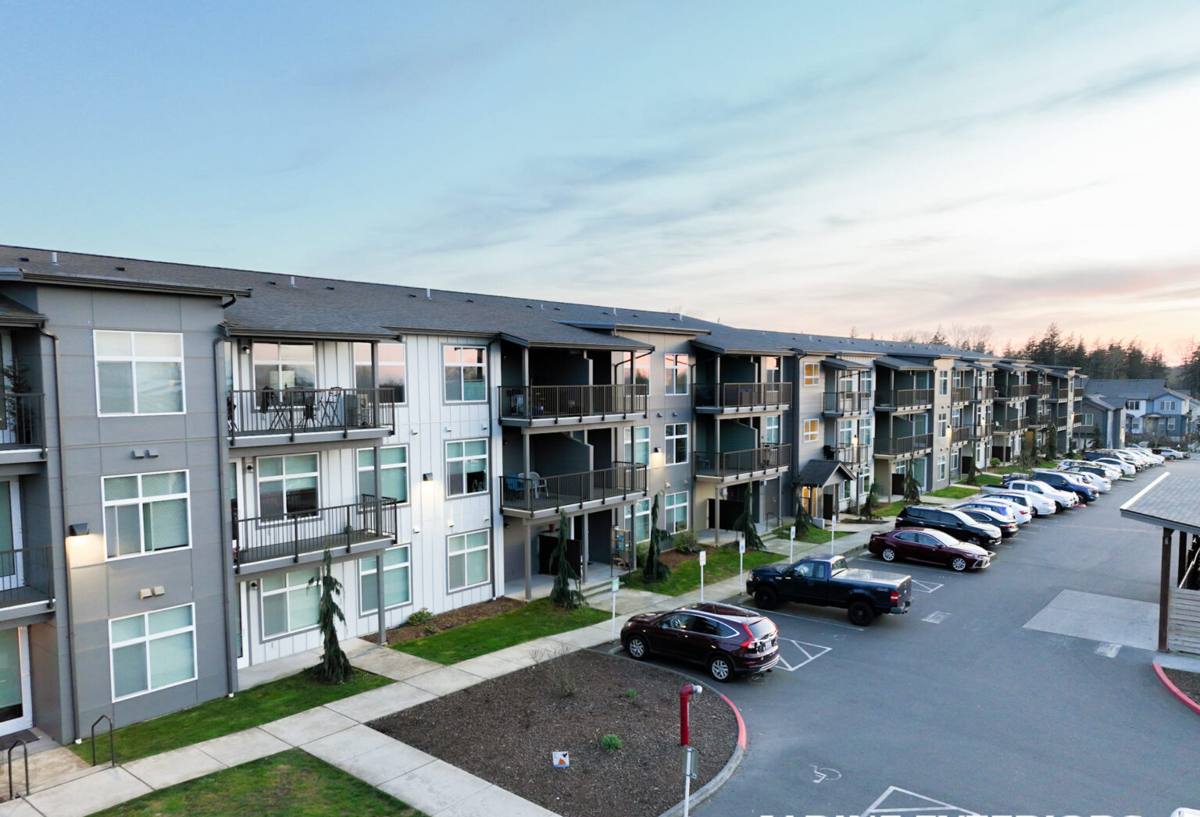
Why Town 'N Country's Climate Is Hard on Siding
Pinellas County homes deal with a combination of stresses that don't show up together in most parts of the country. Individually, any one of these is manageable. Stacked on top of each other, year after year, they're what separates siding that lasts three decades from siding that needs attention in five years.
Salt Air and Moisture
Proximity to Tampa Bay means airborne salt finds its way onto exterior surfaces even miles inland. Salt is hygroscopic — it pulls moisture out of the air and holds it against whatever surface it lands on. For wood-based siding products, that means more time spent wet, which is exactly the condition that invites rot and delamination.
UV Exposure
Florida sun is intense and consistent almost every month of the year. Paint films and factory finishes both degrade under sustained UV, but they degrade at very different rates depending on how the finish was applied and cured. A finish baked on in a factory under controlled conditions holds color and integrity far longer than one rolled or sprayed on site.
Wind-Driven Rain and Storm Pressure
Oldsmar isn't immune to tropical systems, and even a storm that stays offshore can drive rain sideways into a home's exterior for hours. Siding that isn't fastened, flashed, and gapped correctly will let water behind it during exactly these events — and once water gets behind siding, the sheathing and framing underneath pay the price, not just the siding itself.
What Town 'N Country Homes Actually Need From Their Siding
- A material that doesn't absorb and hold moisture, regardless of how much salt is in the air
- A factory-applied finish that's rated to hold up under sustained, intense UV without chalking or fading unevenly
- Installation detailing (flashing, gapping, fastening) that assumes wind-driven rain will happen, not that it might
- Fire resistance, since Pinellas County's mix of close-set lots and dry season brush risk both matter
- A warranty structure that actually reflects how the product performs in a coastal-influenced climate, not a generic national average
Why We Install James Hardie Fiber Cement — and Nothing Else
This company installs James Hardie fiber cement siding exclusively. We don't install vinyl, LP SmartSide, Cemplank, Allura, or primed wood products like spruce or cedar. That's a deliberate standard, not a sales preference, and it's worth explaining honestly.
Vinyl siding is inexpensive and easy to install, but it's a petroleum-based product that softens and can warp under prolonged direct sun, and it doesn't hold up structurally to wind-driven debris the way fiber cement does. In a hurricane-exposed county like Pinellas, that's a real trade-off, not a theoretical one.
Wood-based composite siding and primed wood products can look good going up, but they're wood at their core — meaning moisture management is everything. In a salt-air, high-humidity environment like Town 'N Country, any lapse in caulking, flashing, or maintenance schedule shows up as swelling, soft spots, or edge deterioration faster than it would in a drier climate. Other fiber cement brands are legitimate products, but James Hardie's HardieZone system is engineered specifically around regional climate categories — including the humid, coastal-influenced HZ10 conditions Florida falls into — and that engineering is reflected in the formulation and the finish warranty.
James Hardie fiber cement is non-combustible, doesn't absorb moisture the way wood-based products do, and comes with a factory-applied ColorPlus finish that's baked on and cured under controlled conditions rather than applied on site. That combination is why we standardized on it and why it's the only siding we put on homes.
James Hardie Product Lines That Fit This Neighborhood
| Product | Best Use | Why It Fits Town 'N Country |
|---|---|---|
| HardiePlank lap siding | Most single-family homes | Traditional look, engineered for wind and moisture exposure |
| HardieShingle | Accent areas, gables | Coastal-style detailing without wood's moisture risk |
| HardiePanel vertical siding | Modern facades, porch accents | Clean lines, same fiber cement durability |
| HardieTrim boards | Corners, fascia, window trim | Matches siding performance so trim doesn't fail first |
What a Correct Installation Involves
Fiber cement performs the way it's engineered to only when it's installed to James Hardie's published specifications. A rushed or generic installation is one of the most common reasons a homeowner ends up disappointed with a product that's otherwise excellent. For Town 'N Country homes specifically, a few details matter more than they would somewhere drier and calmer:
Weather Resistive Barrier and Flashing
Everything starts with what's underneath the siding. A properly installed weather resistive barrier, correctly lapped and taped, combined with flashing at every window, door, and penetration, is what actually keeps wind-driven rain out of the wall assembly. The siding is the visible layer, but the barrier behind it is doing most of the real water management work.
Fastening Pattern
James Hardie specifies fastener type, spacing, and placement for a reason — those specs account for wind uplift. Skipping studs, using the wrong fastener, or spacing incorrectly doesn't just void warranty coverage, it creates a real failure point in a wind event.
Gapping and Caulking
Fiber cement needs proper clearance at trim, corners, and butt joints so it can handle minor movement without cracking, and those gaps need to be sealed with a caulk rated for the exposure. Undersized gaps or the wrong sealant are a common source of premature cracking in hot, humid climates.
Ground Clearance and Drainage
Siding installed too close to grade, mulch beds, or hardscaping stays wetter longer. Correct clearance at the bottom course matters more here than in drier regions because there's simply more moisture in the air to begin with.
Our Process for a Town 'N Country Project
- On-site assessment: we walk the exterior, check current siding and moisture barrier condition, and note any trim, flashing, or structural issues before quoting
- Product and color selection: we walk through HardiePlank, HardieShingle, and HardiePanel options along with ColorPlus finish choices
- Tear-off and inspection: old siding comes off and the sheathing underneath gets inspected — this is often when hidden moisture damage from years of a failing barrier gets found
- Weather barrier and flashing installation: done to spec before a single piece of siding goes up
- Hardie installation: fastened, gapped, and finished per manufacturer specification
- Final walkthrough: we review the completed work with the homeowner before calling the job done
Cost Factors for This Job
Every home is different, but a few factors consistently move the price on a Town 'N Country fiber cement project more than others:
| Factor | Impact on Cost |
|---|---|
| Condition of existing sheathing | Hidden rot or moisture damage found at tear-off adds repair scope |
| Home size and wall complexity | More corners, gables, and trim detail increase labor time |
| Product line selection | HardieShingle accent work costs more per square foot than lap siding |
| Existing siding removal | Vinyl or wood tear-off adds a step vs. a bare wall |
| Trim and fascia scope | Replacing trim alongside siding adds cost but avoids a mismatched finish later |
We give straightforward, itemized estimates rather than a single lump number, so homeowners can see exactly what's driving the cost.
Why Hiring a Crew That Already Works This Area Matters
A contractor who regularly works Town 'N Country and the rest of Oldsmar already knows the permitting expectations for Pinellas County, understands how the local climate actually behaves on a jobsite day to day, and has seen firsthand what happens when flashing or fastening gets cut short in a coastal-influenced neighborhood like this one. That local familiarity shows up in fewer surprises during the project and a finished result that's built for the conditions it will actually face, not a generic installation dropped into a demanding climate.
If your Town 'N Country home needs new siding, or you're not sure whether what's on the walls now is holding up the way it should, we're happy to take a look. Reach out for a free, no-pressure estimate — the form below gets you started.