 Oldsmar Siding
 Why Eastlake Woodlands Homes Need Siding Built for This Climate
Eastlake Woodlands is one of the more established, heavily landscaped communities in the Oldsmar area, and homes here take on a specific combination of stresses that a lot of siding products simply were not designed to handle long-term. You've got mature tree canopy holding humidity close to exterior walls, direct Gulf Coast sun for most of the year, and the wind-driven rain and occasional hurricane-force gusts that come with living in Pinellas County. Add in the salt-laden air that reaches inland from Tampa Bay and the Gulf, and you have a climate that will find every weak point in a siding system within a few years if the product or the installation isn't right for the job.
This page is specifically about fiber cement siding for homes in Eastlake Woodlands — what the local climate demands, what a correct installation actually involves, and why we install only James Hardie fiber cement rather than the alternatives you'll see quoted elsewhere.
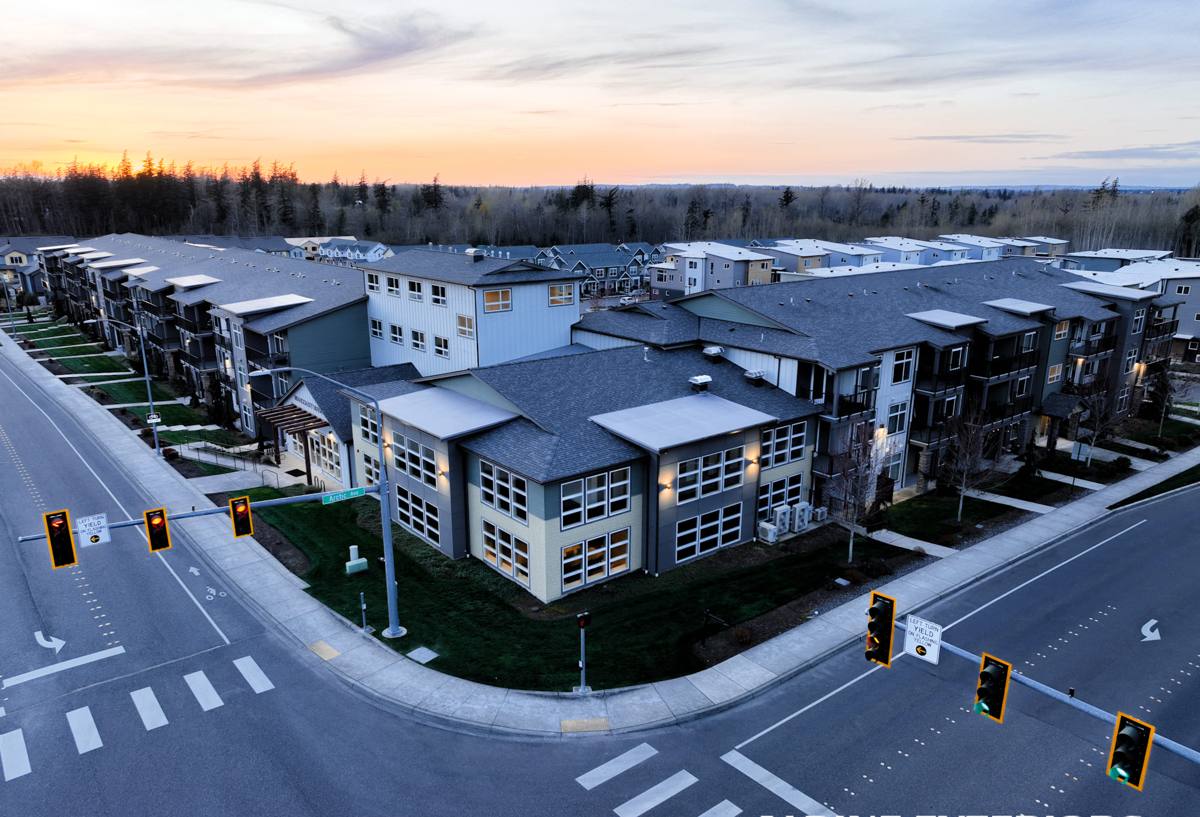
What Pinellas County Weather Does to Ordinary Siding
Heat and UV Exposure
Florida sun is relentless almost year-round, and siding on south- and west-facing walls takes the brunt of it. Cheaper finishes chalk, fade unevenly, and lose their factory color within a handful of years. Repainting an entire home's siding every few years isn't a minor inconvenience — it's a recurring cost that adds up fast.
Wind-Driven Rain
Storms here rarely come straight down. Wind pushes rain sideways and up under laps, trim, and joints, which means the siding's ability to shed water — not just resist it — matters more than the marketing on the box. Any product or installation that relies on caulk alone to keep water out is going to fail eventually in this environment.
Salt Air and Humidity
Eastlake Woodlands sits close enough to Tampa Bay that salt air is a real factor, even with tree cover buffering some of the direct exposure. Salt accelerates corrosion of fasteners and trim hardware, and constant humidity behind siding that doesn't drain or dry properly is exactly what feeds rot and mold in the wall assembly behind it.
Why We Install Only James Hardie Fiber Cement
We made a deliberate decision to stop installing vinyl, LP SmartSide, and other engineered wood or composite products on Gulf Coast homes. That's not a sales pitch — it's a standard we hold to because we've seen what this climate does over a 10-15 year horizon, not just what a product looks like on install day.
Non-Combustible Material
Fiber cement is made primarily from cement, sand, and cellulose fiber. It doesn't burn, it doesn't provide fuel to an exterior fire, and it holds up to direct sun and heat without softening, warping, or off-gassing the way wood-based composite products can over time.
ColorPlus Factory Finish
James Hardie's ColorPlus finish is baked on in a controlled factory environment rather than field-applied, which gives it far more consistent UV resistance than site-painted siding. It's not immune to Florida sun, but it's engineered specifically to hold color longer under exactly the kind of exposure Eastlake Woodlands homes get.
Climate-Engineered HZ Product Lines
James Hardie manufactures region-specific HZ (HardieZone) products, and Florida installations fall under the HZ5 line, engineered for high humidity and moisture exposure rather than a one-size-fits-all national product. That distinction matters more here than almost anywhere else in the country.
What a Correct Fiber Cement Installation Involves
Fiber cement is only as good as the installation behind it. The material can be excellent and still fail early if the crew cuts corners on the details that don't show up until the first real storm. On every Eastlake Woodlands project, our installation addresses:
- Proper flashing at every window, door, and wall penetration so water is directed out and away from the sheathing, not trapped behind the siding
- Correct fastening pattern and fastener type — stainless or coated fasteners rated for coastal exposure, driven to the manufacturer's specified depth and spacing
- Manufacturer-specified gapping and clearance at butt joints, corners, and ground level to allow the material to handle moisture and thermal movement without cracking
- A weather-resistant barrier installed correctly behind the siding, with proper lapping to shed water downward
- Factory-finished cut edges sealed per James Hardie specifications so raw, unsealed cement isn't left exposed to weather
- Caulking only where the manufacturer calls for it — not as a substitute for proper flashing and overlap
Skipping any one of these steps is how a quality product ends up with a five-year problem instead of a multi-decade lifespan. This is also where hiring experience matters more than price on a quote.
Matching Fiber Cement to Eastlake Woodlands' Architecture
Eastlake Woodlands is a mature, established community with a mix of home styles and a strong emphasis on landscaping and curb appeal, much of it tied to the golf course setting the neighborhood is built around. Fiber cement gives homeowners here a wide range of options — lap siding profiles, shingle-style accents, and trim board combinations — without sacrificing the durability the climate demands. Because ColorPlus finishes come in a range of factory colors, homeowners can match or update a home's exterior character while staying consistent with the look of the surrounding streets, which matters in a community where curb appeal and consistency are part of the neighborhood's identity.
Homes with heavy tree cover, which is common throughout Eastlake Woodlands, also benefit from fiber cement's resistance to moisture-related rot, since shaded siding stays damp longer after rain than siding in full sun.
Comparing Siding Options for This Climate
We get asked regularly why we don't offer vinyl or LP SmartSide as a lower-cost alternative. Here's an honest comparison of how these products perform against the specific conditions Eastlake Woodlands homes face:
| Factor | James Hardie Fiber Cement | Vinyl Siding | LP SmartSide |
|---|---|---|---|
| Wind resistance | Engineered and rated for high-wind zones | Can crack or blow off in sustained hurricane-force gusts | Rated for wind, but seams and edges are moisture-sensitive under wind-driven rain |
| Moisture / rot behavior | Non-organic core; HZ5 line engineered for humidity | Doesn't rot but traps moisture behind panels if not vented properly | Wood-strand core can swell or deteriorate if edges aren't sealed and maintained |
| Fire performance | Non-combustible | Melts and can contribute fuel to fire | Combustible, wood-based product |
| Finish longevity | Factory ColorPlus finish, long fade resistance | Color molded through material but can fade and become brittle in UV | Field or factory finish; edge sealing and repainting needed over time |
| Long-term maintenance | Periodic inspection and caulk touch-up | Low maintenance but limited repairability | Requires diligent edge sealing and repainting to avoid moisture damage |
None of these products are junk — vinyl and LP SmartSide both have legitimate use cases elsewhere in the country. Our position is specific to this climate: after years of coastal installations and repairs, fiber cement is what we're willing to put our name behind on Pinellas County homes.
Our Process From Estimate to Finished Siding
Assessment and Estimate
We start with an on-site inspection of your home's current siding, sheathing condition, and any problem areas — trouble spots around windows, corners, or ground-level moisture are common in older Eastlake Woodlands homes and get flagged before work begins, not after.
Material and Color Selection
We walk homeowners through the James Hardie lap, shingle, and trim options along with available ColorPlus finishes, factoring in HOA considerations that are common in established communities like this one.
Tear-Off and Substrate Repair
Old siding comes off and the sheathing underneath gets inspected. Any rot or water damage found at this stage is repaired before new siding goes on — installing over a compromised substrate just hides the problem.
Installation to Manufacturer Specification
Weather barrier, flashing, fastening, and gapping are all done to James Hardie's published installation requirements, which is also what keeps the manufacturer's warranty valid.
Final Walkthrough
We review the finished work with the homeowner and address any questions about care and maintenance going forward.
Maintenance and Long-Term Care in This Climate
One of the real advantages of fiber cement in a coastal environment is how little ongoing maintenance it demands compared to wood-based alternatives — but "low maintenance" doesn't mean "no maintenance." For Eastlake Woodlands homeowners, we recommend:
Annual Visual Inspection
A yearly walk-around checking caulk joints, corners, and areas near ground level or heavy vegetation for gaps or wear catches small issues before they become bigger repairs.
Gentle Cleaning
Rinsing siding periodically clears salt residue and organic buildup from tree cover, both of which are more present here than in inland neighborhoods.
Prompt Caulk Touch-Up
Caulking at joints and trim breaks down faster under Florida UV than the siding itself does — keeping it fresh protects the water management system behind it.
Why Local Experience in This Neighborhood Matters
A contractor who already understands Eastlake Woodlands' housing stock, HOA expectations, and the specific ways Pinellas County weather stresses exterior walls is going to make fewer mistakes than a crew learning the neighborhood on your project. We've seen firsthand how tree canopy, humidity, and salt air interact with siding installations in this exact area, and that experience directly shapes how we flash, fasten, and finish every job here — not just what we happen to be selling.
If you're considering fiber cement siding for your Eastlake Woodlands home, we're happy to walk your property, look at your current siding and trim condition, and give you a straightforward, no-pressure estimate. There's a form below — reach out and we'll get you scheduled.