 Oldsmar Siding
 Feather Sound Roofs Work Harder Than Most
Feather Sound sits close to Old Tampa Bay, which means homes here catch more than the average dose of what Florida weather can throw at a roof. Salt-laden air off the water accelerates corrosion on fasteners, flashing, and metal components. Afternoon UV exposure runs nearly year-round, breaking down asphalt shingle granules and drying out underlayment faster than in shadier inland neighborhoods. And when storm season brings hurricane-force gusts and wind-driven rain, a roof that's even slightly compromised at the edges, valleys, or penetrations is the first thing to fail.
None of that means Feather Sound homeowners need to panic about their roofs. It means a roof replacement here has to account for those specific stresses instead of treating this like any generic Pinellas County job. That's the difference between a roof that looks fine at installation and one that's still performing correctly ten or twenty years later.
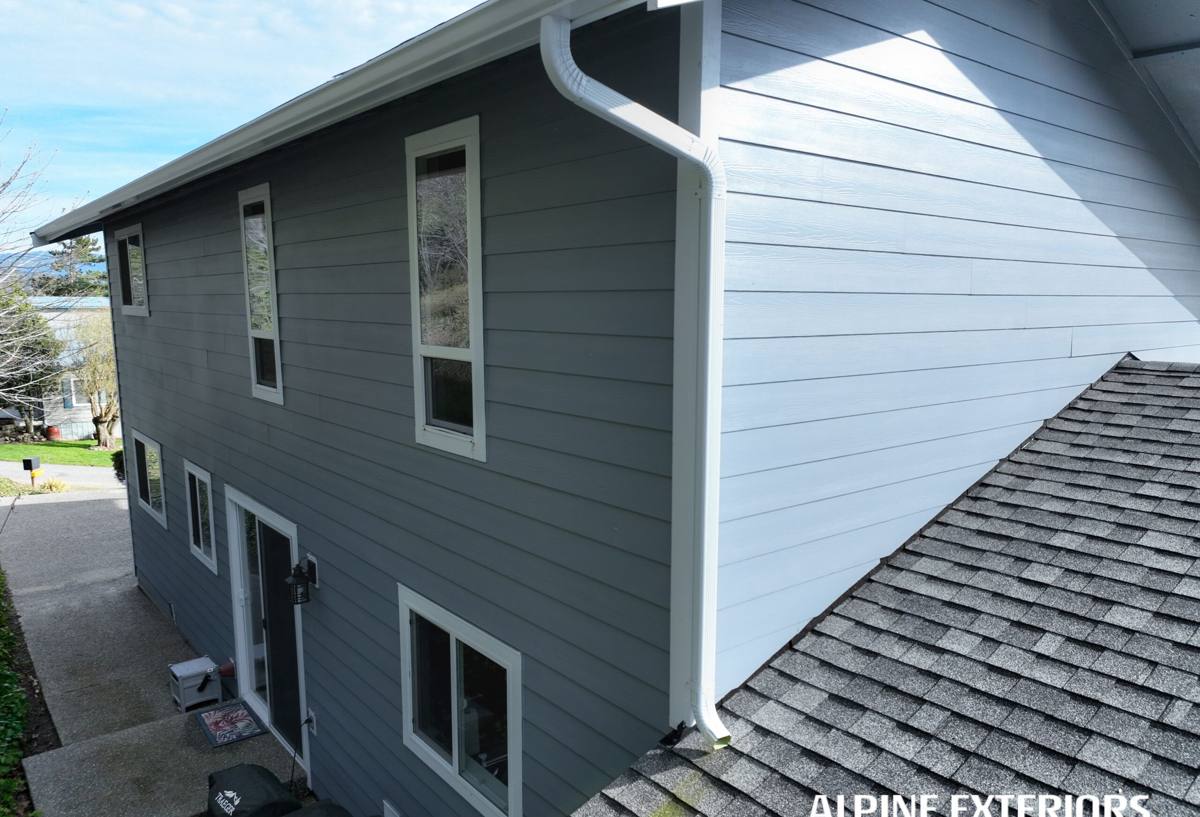
Signs Your Feather Sound Roof Needs Replacement, Not Another Repair
Not every roof problem calls for full replacement. But there's a point where patching becomes throwing money at a system that's past its service life. We look for a combination of these signs before we ever recommend a full tear-off:
- Shingles that are cupping, curling, or losing granules across large sections of the roof, not just one isolated area
- Soft spots or sagging in the roof deck when walked, which usually means water has already reached the wood
- Repeated leaks in different locations after previous repairs, rather than one persistent trouble spot
- Flashing around chimneys, skylights, or wall intersections that's rusted, lifted, or was never sealed correctly to begin with
- Visible daylight or staining in the attic, especially near ridge vents or soffits
- A roof approaching or past the manufacturer's rated lifespan, particularly if it's never been inspected after a major storm
If your roof is showing two or more of these, a replacement conversation is worth having before the next named storm rather than after.
What a Correct Roof Replacement Actually Involves
A roof is a system, not just the layer you can see from the street. Skipping any part of that system is how a roof that looks new fails during its first real storm.
Tear-Off and Deck Inspection
We remove the existing roofing material down to the deck. This is the only point in the project where anyone can actually see the condition of the plywood or OSB underneath. Any soft, delaminated, or water-damaged decking gets replaced before anything new goes down — building over a compromised deck just hides the problem for the next roof to deal with.
Underlayment and Water Barrier
In a coastal, storm-exposed neighborhood like Feather Sound, the underlayment matters as much as the shingles on top of it. We use a synthetic or self-adhering underlayment appropriate to the roof pitch and material, with self-adhered membrane at eaves, valleys, and other vulnerable transitions where wind-driven rain gets pushed uphill under the shingle line.
Flashing
Flashing around chimneys, skylights, walls, and roof-to-wall transitions is where most leaks actually start, not in the field of the shingles themselves. We replace flashing as part of the job rather than reusing old pieces, since corroded or improperly lapped flashing is a common source of hidden leaks in salt-air environments.
Ventilation
Proper intake and exhaust ventilation keeps attic temperatures and moisture in check, which extends the life of both the roofing material and the deck below it. A roof replacement is the right time to correct ventilation that was undersized or mismatched on the original install.
Wind-Rated Fastening
Nail pattern, fastener type, and adhesive sealant strips all affect how a roof performs in high wind. We install to the wind-rating requirements that apply in Pinellas County, not just the manufacturer's minimum spec.
Material Options for Feather Sound Homes
There's no single "best" roofing material — the right choice depends on your home's structure, your budget, and how much long-term maintenance you want to take on. Here's an honest comparison of the main options we install:
| Material | Typical Lifespan | Wind/Storm Performance | Maintenance |
|---|---|---|---|
| Architectural asphalt shingle | 20–30 years | Good, with proper wind-rated installation | Low; periodic inspection |
| Standing seam metal | 40–50+ years | Excellent; strong resistance to uplift | Very low |
| Concrete or clay tile | 40–50+ years | Strong when properly fastened; heavier structural load | Moderate; periodic underlayment checks |
| 3-tab asphalt shingle | 15–20 years | Fair; lower wind rating than architectural shingles | Low |
For most Feather Sound homes, architectural shingles offer the best balance of upfront cost and storm performance. Metal and tile cost more initially but spread that cost over a much longer service life, which is worth discussing if you're planning to stay in the home long-term.
Our Roof Replacement Process
- On-site inspection — we assess the current roof, attic ventilation, and any visible deck or flashing issues before quoting anything.
- Written estimate — a clear scope of work and material selection, no vague line items.
- Permitting — we pull the required permit through the appropriate local building authority before work begins.
- Tear-off and deck repair — old material removed, deck inspected and repaired as needed.
- Underlayment, flashing, and ventilation installation — the system components that determine long-term performance.
- Material installation to wind-rated spec — shingles, metal, or tile installed per code and manufacturer requirements.
- Final inspection and walkthrough — including the local building inspection where required, plus our own walkthrough with you.
We keep the property protected throughout — tarping landscaping, using magnetic sweeps for nails, and cleaning up debris daily, not just at the end of the job.
Permits and Florida Building Code
Roof replacements in Pinellas County require a permit, and for good reason — the county's wind-load and fastening requirements exist specifically because of the storm exposure along this stretch of coast. Skipping the permit process, or hiring a contractor who tells you it's "not necessary," puts you at risk twice: once if the work doesn't actually meet code, and again if it complicates a future insurance claim or home sale. We handle the permit and inspection process as a standard part of every roof replacement, not an upsell.
What Affects the Cost of a Roof Replacement
Every roof is different, but the same handful of factors drive most of the cost variation we see on Feather Sound homes:
| Factor | Why It Matters |
|---|---|
| Roof size and pitch | More square footage and steeper slopes increase material and labor time |
| Number of penetrations | Chimneys, skylights, and vents each require additional flashing work |
| Deck condition | Hidden water damage found during tear-off adds repair cost, but is necessary work |
| Material selection | Architectural shingle, metal, and tile carry different material and labor costs |
| Access and complexity | Multi-story homes or tight lot access can affect labor time |
We won't quote a firm number without seeing the roof — anyone who does is guessing. What we can promise is a written estimate that breaks down what you're paying for, with no surprise add-ons once the tear-off starts unless we find deck damage that genuinely needs addressing.
Why Local Experience in Feather Sound Matters
A roofing crew that works this specific area regularly understands things a crew driving in from across the county doesn't: how the proximity to the water affects fastener and flashing choices, which permitting steps the local building department expects, and how homes in this neighborhood were typically built and vented. That local knowledge shows up in fewer callbacks and a roof that's actually specified correctly for where it sits, not just for "Florida" in general.
We're an Oldsmar-based siding and roofing contractor, and Feather Sound is inside our regular service area — not a stretch job we take occasionally. That matters when you need a warranty call answered or a storm-damage inspection scheduled quickly.
Choosing a Roofing Contractor: A Practical Checklist
- Confirm active state licensing and insurance, and ask to see proof rather than taking it on faith
- Get a written estimate that itemizes materials, underlayment, flashing, and labor — not just a single lump number
- Ask whether they pull the permit themselves and handle the required inspections
- Ask what underlayment and flashing they use, not just the shingle brand — the visible material is only part of the system
- Confirm in writing what happens if deck damage is found during tear-off
- Ask about workmanship warranty terms separate from the manufacturer's material warranty
If a bid seems well below others for the same scope of work, ask specifically what's being left out — underlayment upgrades, flashing replacement, and proper ventilation are the first things cut corners come from.
If your Feather Sound roof is showing its age or storm damage, we're glad to take a look and give you a straightforward assessment — no pressure, no scare tactics. Use the form below to request a free estimate.