 Oldsmar Siding
 Deck Building in Feather Sound: A Different Job Than It Looks Like
Feather Sound sits along Old Tampa Bay on the Pinellas County side, and that proximity to open water changes what a deck needs to survive here compared to a deck built twenty miles inland. Homes in this neighborhood catch bay breezes year-round, which is pleasant on a porch but hard on lumber, fasteners, and finishes. A deck built with generic, big-box specs might look fine for a season or two, then start showing the classic signs of coastal wear: cupped boards, rust streaks from corroding hardware, and a railing that's gone soft at the post bases. We build decks in Feather Sound the way the location actually demands, not the way a national installation guide assumes.
This page covers what a correctly built deck looks like for this specific area of Oldsmar and the surrounding Pinellas County coastline, what our process involves from first visit to final walkthrough, and why experience in this exact microclimate matters more than most homeowners expect.
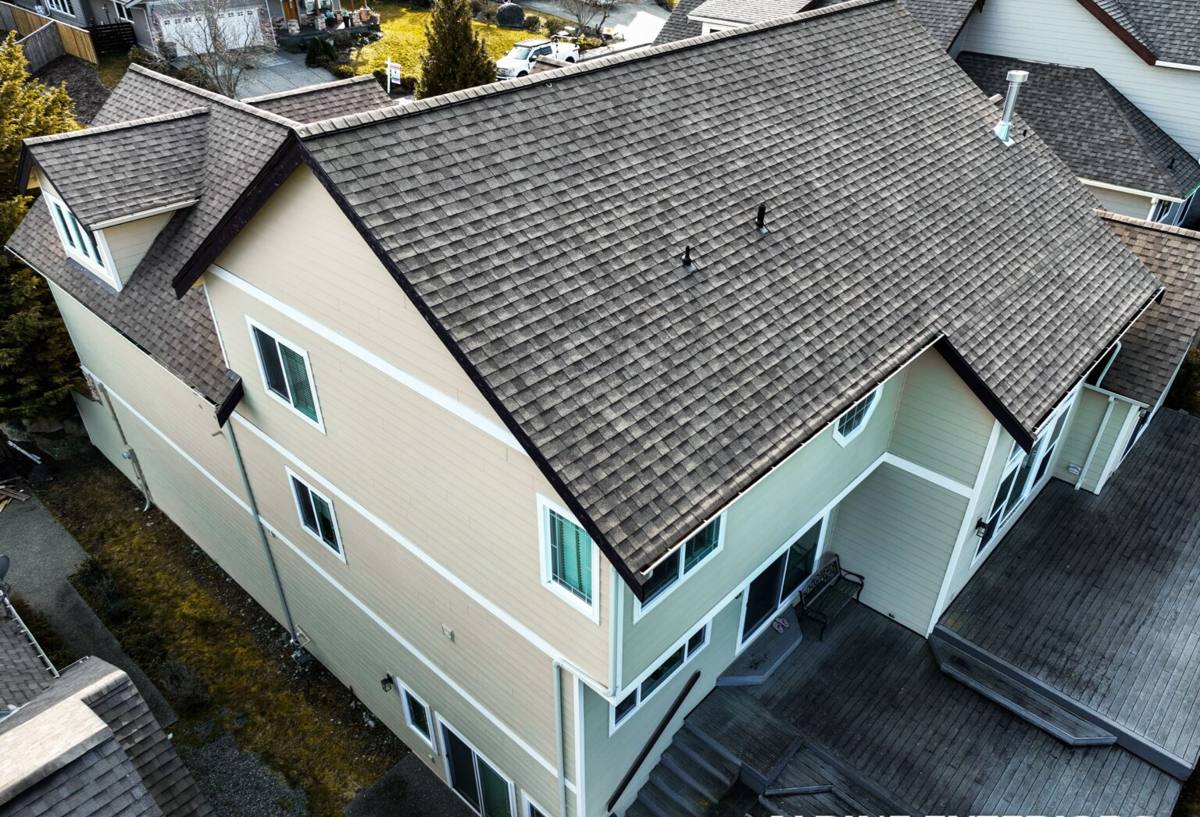
What the Local Climate Actually Does to a Deck
Four conditions define outdoor construction around Feather Sound, and each one attacks a deck differently:
Hurricane-Force Wind Loads
Pinellas County sits in a high-wind design zone, and bay-adjacent lots often see less tree and structure buffering than inland yards. That means railing posts, ledger connections, and footing depth all have to be engineered for uplift and lateral load, not just vertical weight. A deck that only accounts for people standing on it, and not wind trying to peel the structure off the house, is a deck that fails in the first real storm.
Intense, Year-Round UV
Florida sun isn't seasonal the way it is up north. Deck boards, railing caps, and any exposed fasteners take UV exposure essentially twelve months a year. Untreated or under-rated materials gray, crack, and become brittle faster here than published national lifespan estimates usually suggest.
Wind-Driven Rain
Storms in this area rarely arrive as straight-down rain. Wind pushes water sideways and up under boards, into ledger connections, and behind railing posts. Decks that aren't detailed for drainage and airflow underneath trap moisture in exactly the places that are hardest to inspect later.
Salt Air
Even a mile or two off the water, salt in the air accelerates corrosion on anything metal — screws, joist hangers, bolts, and post bases. Standard interior-rated or even generic exterior-rated hardware corrodes noticeably faster near Old Tampa Bay than it would inland, and corroding hardware is one of the most common hidden causes of deck failure.
What "Doing It Right" Actually Involves
A correct deck build for a bay-adjacent Feather Sound property comes down to a handful of decisions that matter more than the finished look of the boards on top:
- Stainless steel or heavily coated, marine-rated fasteners and hardware — not standard galvanized, which corrodes faster in salt air
- Footings sized and set to the depth Pinellas County code requires for this soil and wind zone, not a generic minimum
- Ledger board attachment engineered for both vertical load and wind uplift, properly flashed to keep water out of the house wall
- Joist spacing tightened where board material or expected use calls for it, rather than defaulting to the widest allowed spacing
- Gaps and airflow beneath the deck sized to let wind-driven rain drain and dry instead of pooling against framing
- Railing posts through-bolted to framing, not just toe-screwed, since post connections are a common wind-failure point
None of this is visible once the deck is finished, which is exactly why it's worth asking about before construction starts, not after.
Choosing a Decking Material for This Location
There's no single "best" decking material — there's a best fit for how a Feather Sound homeowner plans to use and maintain the deck. Here's an honest comparison of the main options we work with:
| Material | Salt Air / Moisture Behavior | Maintenance | Typical Lifespan Here |
|---|---|---|---|
| Pressure-treated pine | Needs sealing regularly or it absorbs moisture and cups | Annual cleaning and re-sealing recommended | 10–15 years with upkeep |
| Composite decking | Doesn't rot, but board and fastener quality still matters near the bay | Periodic washing; no sealing or staining | 20–25+ years |
| Tropical hardwood (e.g., ipe) | Naturally dense and rot-resistant, handles humidity well | Oiling recommended to maintain color | 25+ years structurally |
| PVC/capped polymer | Fully sealed surface, resists moisture and salt exposure well | Low — occasional washing | 25+ years |
We'll walk through the real trade-offs for your project rather than pushing whatever has the best margin — upfront cost, how much upkeep you actually want to do, and how the material performs specifically in a bay-adjacent, high-UV environment.
How Our Process Works
1. On-Site Assessment
We look at your lot's actual exposure — how open it is to bay wind, existing drainage patterns, soil condition, and any structural constraints from the house itself. This is also where we talk through how you'll use the deck, since that shapes framing decisions like joist spacing and post placement.
2. Design and Material Selection
We put together a plan that fits both your budget and how the space will hold up long-term. This includes footing layout, framing spec, decking material, railing style, and any add-ons like built-in seating or stairs.
3. Permitting
Deck construction in Pinellas County requires permitting, and inspections verify footing depth, structural connections, and railing height/spacing among other things. We handle the permit process and schedule inspections as part of the build — this isn't an optional step to skip, and a contractor who suggests skipping it is a red flag.
4. Construction
Footings first, then framing, then decking and railing. We flash ledger connections properly at the house, use the corrosion-resistant hardware appropriate for a coastal Pinellas County property, and build in the drainage gaps that keep wind-driven rain from pooling under the structure.
5. Final Walkthrough
We go over the finished deck with you — railing solidity, board spacing, stair details, and basic care guidance specific to the material you chose.
Maintenance Realities for Feather Sound Decks
Whatever material you choose, a bay-adjacent deck needs a maintenance rhythm suited to salt air and year-round UV:
- Rinse off salt residue and debris periodically, especially after storms with onshore wind
- Check railing post connections annually for looseness — wind load works fasteners over time
- Inspect hardware for early corrosion signs before it compromises a connection
- Keep gaps between boards clear of debris so water keeps draining as designed
- Re-seal or re-oil wood decking on the schedule appropriate to that material, not "whenever it looks dry"
A deck built correctly from the start needs far less of this than one built to a generic spec, but "low maintenance" material still isn't "no maintenance" in this climate.
Why a Crew That Already Works Feather Sound Matters
Pinellas County's permitting and inspection requirements, the wind-load expectations for this part of the coast, and the specific way salt air and UV degrade materials here aren't things you learn from a national training manual — they're things you learn by building decks in this exact environment repeatedly. A crew that's already familiar with local inspectors, local soil and drainage patterns, and the failure points that actually show up on bay-adjacent Pinellas County decks catches problems in the design phase instead of after a storm.
It also means fewer surprises during permitting. We know what Pinellas County inspectors are checking for on footing depth, railing spacing, and structural connections, so the process moves without back-and-forth delays.
Questions Worth Asking Before You Hire Anyone
| Question | Why It Matters |
|---|---|
| Is the hardware rated for coastal/salt-air exposure? | Standard galvanized fasteners corrode faster here and are a leading cause of hidden deck failure |
| Will this be permitted through Pinellas County? | Unpermitted decks can create problems at resale and skip safety-relevant inspections |
| How is the ledger board attached and flashed? | A poorly flashed ledger is one of the most common sources of hidden water damage to the house itself |
| What's the footing depth and spacing for this design? | Undersized or shallow footings are a wind-load and structural risk in this zone |
| How is the deck framed for wind uplift, not just weight? | Coastal wind zones require different connection detailing than a typical inland deck |
If a contractor can't answer these clearly and specifically, that's worth noting before signing anything.
Get a Straightforward Estimate
If you're planning a new deck or replacing an aging one in Feather Sound, we're glad to come take a look, talk through material options honestly, and give you a clear estimate — no pressure, no pushy upsells. Use the form below to request a free consultation.