 Oldsmar Siding
 Window Installation in Eastlake Woodlands: Why the Details Matter
Eastlake Woodlands is one of the more established residential communities in Oldsmar, and a lot of the homes here are old enough that their original windows are past the point of just looking dated — they're actively working against the house. Whether you're dealing with single-pane aluminum-frame windows from the original build or a prior owner's builder-grade upgrade, window performance in this neighborhood isn't just about curb appeal or energy bills. In Pinellas County, a window is a structural component of your home's building envelope. It has to hold up against hurricane-force wind loads, keep wind-driven rain out during a tropical system, resist year-round UV breakdown, and shrug off the slow corrosive effect of salt air blowing in off the Gulf. Get any one of those wrong and you're not looking at a minor inconvenience — you're looking at water intrusion, mold, rotted framing, or a window that fails during the exact storm it was supposed to protect you from.
This page covers window installation specifically for Eastlake Woodlands homes: what the climate demands, what a correct installation actually involves, and why it matters to work with a crew that has hands-on experience in this specific community rather than a generic install crew passing through.
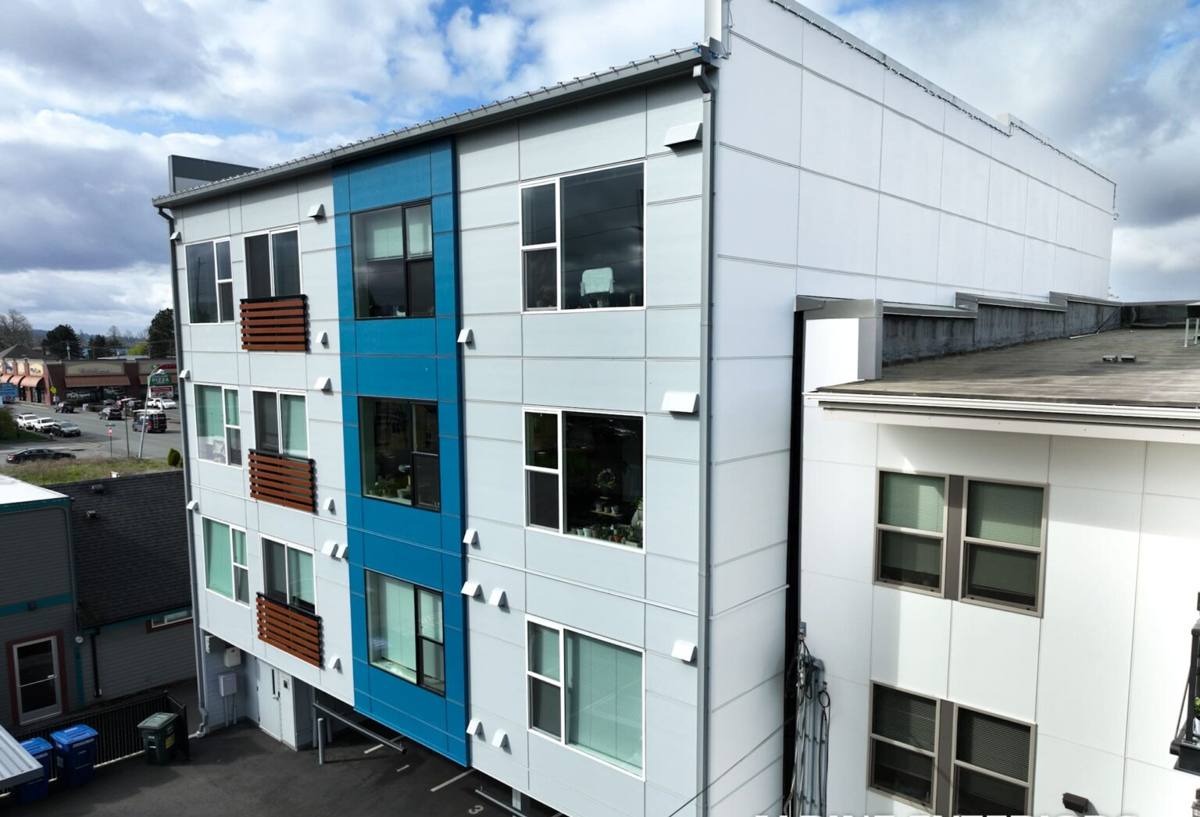
What Oldsmar's Climate Does to Windows Over Time
Hurricane-Force Wind Loads
Pinellas County sits in a high-velocity hurricane zone, and Florida Building Code treats window installation accordingly. Wind doesn't just push on glass — it creates pressure differentials that can pull a poorly anchored window frame right out of its rough opening, or force water past seals that were never rated for that kind of pressure in the first place. Every window installed on an Eastlake Woodlands home needs to be rated for the wind loads that apply to this part of the county, and it needs to be fastened to the structure in a way that actually achieves that rating — not just installed with a window that's rated for it on paper.
UV Exposure Year-Round
Florida sun runs hard essentially twelve months a year. UV breaks down vinyl frames, dries out and cracks old caulk and glazing compound, and fades interior finishes through unprotected glass. Windows that weren't built with UV-stable materials or Low-E coatings show it early — chalky, brittle frames and sun-faded flooring or furniture near south- and west-facing windows are common complaints in homes with older glass.
Wind-Driven Rain and Water Intrusion
Straight-down rain is easy for any window to handle. Wind-driven rain — the kind that comes sideways during a summer storm or tropical system — is a different problem entirely, and it's where most installation failures show up. Water doesn't need a big gap to get in; it needs pressure and a path, and a poorly flashed or poorly sealed window installation gives it both. This is almost always an installation issue, not a product issue — even a high-end window will leak if the flashing and sealant details weren't done correctly.
Salt Air and Corrosion
Oldsmar sits inland from open Gulf water compared to some coastal Pinellas communities, but salt-laden air still travels and still affects exposed metal — hardware, hinges, screws, and older aluminum framing in particular. Over years, that exposure shows up as pitting, corrosion, and hardware that binds or fails to latch properly. It's a slower process than wind or UV damage, but it's steady, and it's part of why fastener and hardware selection matters as much as the window itself.
Signs an Eastlake Woodlands Home Needs New Windows
Not every window problem requires full replacement, but these are the signs worth taking seriously:
- Visible daylight, drafts, or whistling around the frame when it's windy
- Fogging or a permanent haze between panes of double-pane glass (a failed seal)
- Frames that are soft, discolored, or show staining below the sill — often a sign of water getting behind the frame
- Windows that are difficult to open, close, or lock, especially aluminum-frame windows with corroded hardware
- Noticeably higher cooling bills compared to similar homes nearby
- Chalky, brittle, or cracking vinyl frames from years of UV exposure
- Caulk or sealant around the exterior trim that's cracked, gapped, or missing in sections
- Any window that wasn't installed with a documented wind-load rating for this area
What a Correct Installation Actually Involves
Removing the Old Window Without Damaging the Opening
The rough opening underneath your existing window is where problems hide — rotted framing, old flashing that was never installed correctly, or wood that's been quietly absorbing moisture for years. A correct installation starts with removing the old unit carefully enough to inspect that opening, not just yanking the window and dropping a new one in the same hole. If there's damage back there, it gets addressed before anything new goes in. Skipping this step is the single most common shortcut that leads to leaks two or three years down the road.
Flashing and Water Management
Flashing is what directs water that gets past the exterior finish back out, rather than into your wall cavity. It has to be layered correctly — sill pan first, then side flashing, then head flashing — so water always sheds downward and outward, never inward. This is the detail that separates an installation that survives a tropical storm from one that doesn't, and it's invisible once the trim goes back on, which is exactly why it needs to be done right the first time.
Fastening for Wind Load
The window has to be mechanically anchored to structural framing with fasteners spaced and sized to meet the wind-load rating for this zone — not just enough screws to hold the window in place while it's calm outside. This is where the manufacturer's installation instructions and Florida Building Code requirements have to line up with what's actually happening on your house, accounting for your specific wall construction.
Sealing and Finish Work
Backer rod and sealant around the frame perimeter, proper interior and exterior trim, and a finish that doesn't leave gaps for wind-driven rain to exploit. This is also where a rushed job shows — sloppy caulk lines, gaps at corners, or sealant applied over dirt and old caulk instead of a clean surface.
Choosing Windows for This Part of Pinellas County
There's more than one legitimate way to meet code and protect a home in Eastlake Woodlands, and the right choice depends on your budget, your home's exposure, and how much upkeep you want to deal with long-term.
| Option | Wind/Impact Protection | Upfront Cost | Ongoing Maintenance |
|---|---|---|---|
| Impact-rated windows (vinyl or aluminum frame) | Built-in — laminated glass resists impact and stays in the frame even when cracked | Higher | Low — no separate storm prep needed |
| Non-impact windows + removable/accordion shutters | Good, but only when shutters are actually deployed before a storm | Lower window cost, added shutter cost | Moderate — shutters need to be installed and maintained |
| Non-impact windows, no shutter system | Does not meet code for wind-borne debris regions without an approved opening protection plan | Lowest | Not a compliant standalone option in most of this area |
Frame material is the other major decision. Vinyl frames are common, cost-effective, and don't corrode, but lower-grade vinyl can become brittle under sustained Florida UV over many years. Aluminum frames are strong and slim-profile but are more prone to long-term corrosion from salt air unless properly finished and hardware is corrosion-resistant. Our standard is to steer homeowners toward products with a documented track record in Florida's coastal wind zones, and to be upfront about the maintenance trade-offs of each option rather than pushing whatever has the best margin.
Our Installation Process
- On-site assessment — we measure openings, check existing flashing and framing condition, and note anything specific to your home's exposure (sun direction, wind exposure, existing water staining)
- Product selection — we walk through wind-rating, frame material, and glass options based on what your home actually needs, not a one-size package
- Permitting — we pull the required permit through the appropriate local building department before work starts
- Removal and opening inspection — old windows come out carefully so we can check the rough opening for hidden damage
- Repair as needed — any rotted or damaged framing gets addressed before the new window goes in, not covered over
- Flashing and installation — sill pan, side and head flashing, then the window is set, leveled, and mechanically fastened to meet wind-load requirements
- Sealing and trim — backer rod, sealant, and interior/exterior trim finished cleanly
- Inspection — final walkthrough with you, plus the required building department inspection where applicable
Permits, Wind Load Codes, and Community Considerations
Florida Building Code and Wind Zones
Window replacement in Oldsmar isn't a walk-in-and-swap job — it requires a permit, and the products used need documentation showing they meet the wind-load and impact requirements for this wind zone. This protects you two ways: it means the window was actually engineered for what Pinellas County storms can produce, and it creates a paper trail that matters for insurance and for resale down the road.
Community and HOA Considerations
If your section of Eastlake Woodlands has architectural review requirements through an HOA, exterior changes like window replacement may need approval before work starts — frame color and style in particular. We factor this into project timelines so it isn't a surprise partway through, and we're happy to provide whatever documentation your association typically asks for.
Why a Crew That Already Works This Neighborhood Matters
Window installation quality comes down to the crew doing the work, not just the product in the box. A crew that's already worked on homes in Eastlake Woodlands has a practical feel for what these homes tend to need — the age range of construction, common framing quirks, and the kind of wind and sun exposure specific to this part of Oldsmar. That familiarity shows up in small but real ways: knowing what to check for when an opening comes apart, not guessing at flashing details, and being straightforward with you about what your home actually needs versus what's easiest to sell. It also means a shorter, more predictable timeline, because we're not learning the neighborhood on your project.
After Installation: Keeping Windows Performing
A correctly installed window is largely maintenance-free, but a little attention keeps it performing for its full service life in this climate. Rinse frames and tracks periodically to clear salt residue and grit that can affect hardware and seals. Check exterior caulk lines once or twice a year, particularly after a rough storm season, and address any cracking before it becomes a leak path. Keep weep holes along the bottom of the frame clear of debris so water can drain out as designed. None of this is complicated, but skipping it is how a well-installed window ends up with an avoidable problem five or ten years in.
If your windows in Eastlake Woodlands are showing their age, failing to keep water and wind out, or you're simply ready to stop worrying about the next storm season, we're glad to take a look. Reach out for a free, no-pressure estimate using the form below — we'll assess your home's specific situation and give you a straight answer on what it actually needs.