 Oldsmar Siding
 Metal Roofing in Eastlake Woodlands: What the Climate Actually Demands
Eastlake Woodlands sits inland from the coast but close enough that salt-laden air, humidity, and Gulf storm systems still shape what a roof needs to survive here. Homes in this golf-course community deal with the same combination that hits the rest of Oldsmar and Pinellas County: sustained UV exposure nearly year-round, sudden wind-driven rain events, and the occasional hurricane-force gust that tests every fastener and seam on the roof. Metal roofing, done correctly, handles all of that better than most other roofing materials — but "done correctly" is doing a lot of work in that sentence.
A metal roof is not a material you can install the same way in Ohio as you do in Pinellas County. The panel gauge, fastener spacing, underlayment, and flashing details all need to account for local wind uplift pressures and the corrosive effect of salt air moving inland on sea breezes. We install metal roofing throughout Oldsmar with that context built into every decision, not bolted on afterward.
Why Eastlake Woodlands Homes Are Good (and Sometimes Tricky) Candidates for Metal
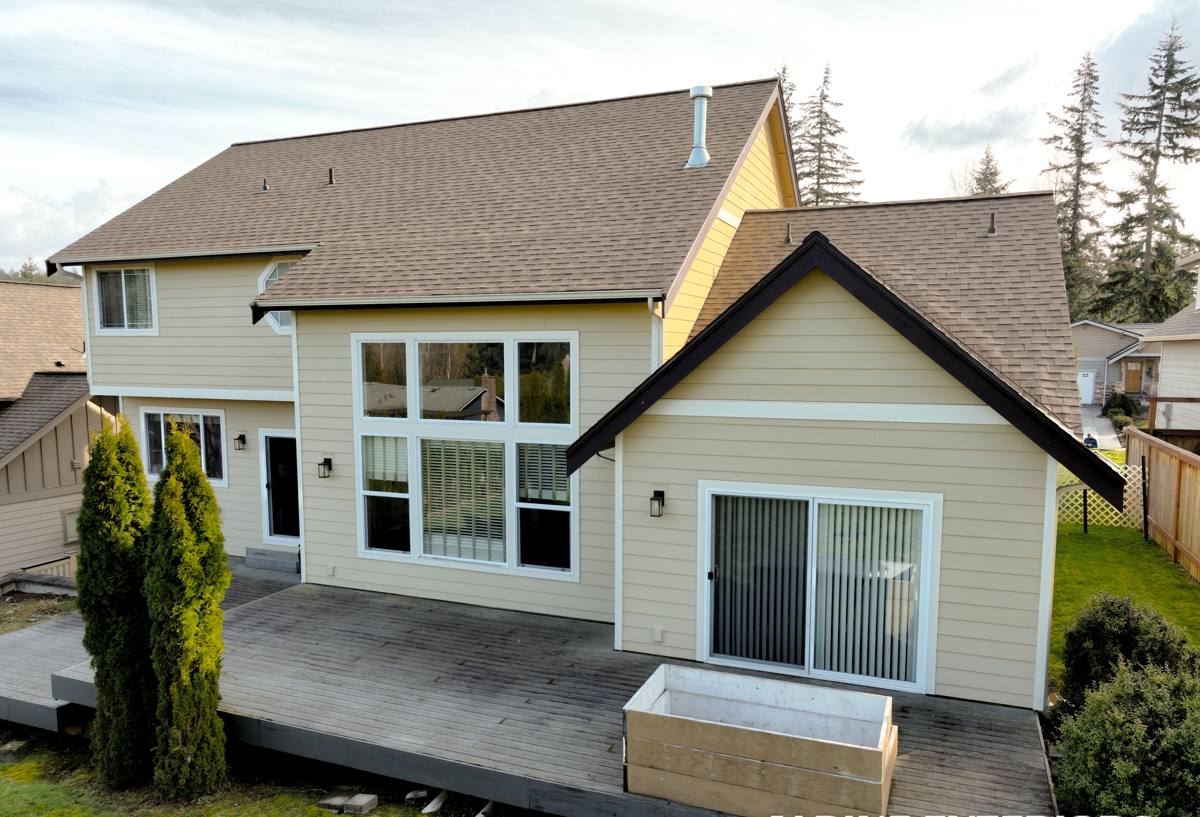
Many homes in this part of Oldsmar have moderate to steep roof pitches and simple to moderately complex rooflines — good conditions for standing seam or screw-down metal panels. Mature tree cover in established neighborhoods like this one also means more debris load during storms and more shade cycles that affect how a roof expands and contracts through the day. That thermal movement matters more with metal than with shingles, and it's one of the first things we account for in panel layout and clip spacing.
What we look for on an Eastlake Woodlands roof before quoting
- Roof pitch and panel run length (longer runs need more attention to thermal expansion)
- Existing deck condition — plywood or older shiplap decking changes fastening approach
- Proximity to mature trees and overhangs (debris, moisture retention, gutter load)
- Any dissimilar metals already present (old vents, valleys, gutters) that could cause galvanic corrosion against new panels
- Current flashing at chimneys, walls, and penetrations — often the real source of leaks, not the panels themselves
Panel Types We Install and How We Choose
Not every metal roofing product is a good fit for every house, and we don't push one system just because it's what we happen to stock. The right choice depends on your roof's slope, your budget, and how long you plan to own the home.
| Panel Type | Best For | Trade-offs |
|---|---|---|
| Standing seam (concealed fastener) | Long-term ownership, best wind and leak performance | Higher upfront cost, requires experienced crews to avoid oil canning |
| Screw-down exposed fastener | Budget-conscious projects, outbuildings, simpler rooflines | Fasteners need periodic inspection and eventual re-torquing or replacement |
| Metal shingles / stone-coated steel | Homeowners who want a traditional shingle look with metal durability | More seams and fasteners than standing seam, slightly more labor-intensive install |
For most Eastlake Woodlands homes we recommend standing seam when the budget allows it, specifically because concealed fasteners remove the long-term maintenance item of exposed screws working loose under thermal cycling and wind flutter. Screw-down panels are still a sound option — they're just a different maintenance conversation, and we tell homeowners that up front rather than after the sale.
Coatings and Corrosion Resistance
Panel coating matters as much as panel type this close to the coast. We use finishes rated for coastal exposure with strong resistance to chalking and fading under sustained Florida UV, and we're careful about pairing metals correctly — mixing incompatible metals (like uncoated steel fasteners against aluminum panels) sets up galvanic corrosion that eats away at the weaker metal from the inside out, often invisibly until it fails. Getting the fastener and flashing metal to match the panel system isn't optional in our process; it's a basic standard we hold every job to.
Wind, Fasteners, and Uplift: The Part Most Installers Skip Over
A metal roof's wind performance is only as good as its weakest attachment point. Florida's building code sets minimum uplift and fastening requirements for a reason — hurricane-force winds don't fail a roof by lifting it evenly; they find the one under-fastened panel edge or the one clip spaced too far apart and start there. We follow manufacturer fastening schedules and local wind zone requirements rather than a generic spacing pattern, and we document what was installed so you have a record if a warranty claim or insurance question ever comes up.
Common installation shortcuts we won't take
- Skipping or thinning out clip/fastener spacing to save material
- Reusing old, undersized decking without checking it can hold new fasteners securely
- Installing flashing without proper sealant and mechanical fastening at penetrations
- Ignoring manufacturer-specified underlayment in favor of a cheaper generic option
- Failing to account for panel expansion on longer roof runs, leading to oil canning or fastener strain
Underlayment and Moisture Protection Underneath the Metal
The panels get the attention, but the underlayment underneath is what actually keeps water out if wind ever drives rain up under a seam or through a fastener penetration. In a climate with as much wind-driven rain as Pinellas County sees, we install self-adhering, high-temperature underlayment rated for metal roof assemblies, with extra attention at valleys, eaves, and any wall-to-roof transitions. This layer is also your backup protection during the roof's lifespan if a panel is ever damaged by falling debris — something worth planning for given how many mature trees line yards throughout Eastlake Woodlands.
Our Process for an Eastlake Woodlands Metal Roof
1. On-site assessment
We inspect the existing roof deck, flashing, ventilation, and any problem areas before quoting anything. This is also when we check for dissimilar metal issues and confirm the roof's actual pitch and square footage rather than estimating from the street.
2. Written scope and product selection
You get a clear, written scope: panel type, gauge, coating, fastener type, underlayment, and flashing details, along with a straightforward explanation of why we're recommending that combination for your specific roof.
3. Tear-off and deck inspection
Once the old roofing is off, we inspect the deck itself. Soft or damaged decking gets replaced before a single panel goes down — installing new metal over a compromised deck just moves the problem underneath where you can't see it.
4. Installation to code and manufacturer spec
Panels, clips, fasteners, and flashing go in according to the fastening schedule required for our wind zone, not a shortcut version of it.
5. Final walkthrough
We walk the finished roof with you, cover maintenance basics, and make sure you understand what your warranty actually covers.
Maintenance: What Metal Roofing Actually Needs Long-Term
One reason homeowners choose metal is lower maintenance, but "lower" doesn't mean "none." A properly installed metal roof in this climate still benefits from periodic attention.
- Annual visual inspection of fasteners (screw-down systems especially) for backing out or corrosion
- Clearing debris and organic buildup near valleys and against walls, particularly under tree canopy
- Checking sealant at penetrations (vents, chimneys) every few years, since sealant ages faster than the metal itself
- Rinsing off salt residue periodically if the home is on a route that gets regular sea breeze exposure
- Prompt follow-up on any debris strike from storms, even if no leak is visible yet
Cost Factors Homeowners Should Understand Before Getting Quotes
Metal roofing quotes vary widely, and the differences usually come down to a handful of factors rather than one contractor simply being "cheaper."
| Factor | Why It Moves the Price |
|---|---|
| Panel type | Standing seam costs more upfront than screw-down or metal shingle systems |
| Roof complexity | More valleys, penetrations, and transitions mean more custom flashing labor |
| Deck condition | Rotten or undersized decking needs replacement before installation, adding cost |
| Coating grade | Higher-grade coastal-rated finishes cost more but last longer under UV and salt exposure |
| Tear-off vs. overlay | Full tear-off costs more short-term but avoids trapping moisture under old roofing |
We give broad, honest ranges once we've actually seen the roof — not a number pulled from a phone call, since two Eastlake Woodlands homes of similar size can price very differently once pitch, complexity, and deck condition are factored in.
Why Local Experience in Eastlake Woodlands Matters
A crew that already works this part of Oldsmar knows the general wind exposure, humidity load, and typical roof ages in established neighborhoods like this one. That familiarity shows up in small but important ways: knowing which flashing details tend to fail first on homes of this era, understanding how mature tree cover affects debris and moisture patterns, and being available quickly if a storm causes damage that needs immediate attention rather than a callback next week. Hiring a crew with no track record in this specific area means you're the one who finds out, the hard way, whether they accounted for any of it.
If you're weighing metal roofing for your Eastlake Woodlands home, we're happy to take a look and walk you through your options with no pressure and no sales script — just a straight assessment of what your roof actually needs. Reach out below for a free estimate.