 Oldsmar Siding
 Siding Repair Built for East Lake's Climate, Not a Generic Checklist
East Lake homes sit in one of the more demanding stretches of Pinellas County for exterior materials. Between the wind load off open water, the intensity of Gulf Coast sun, and the humid air that never really dries out, siding here works harder than siding almost anywhere else in the country. A repair job that would hold up fine in a drier, milder climate can fail within a couple of seasons out here if it's not done correctly. That's the standard we hold every East Lake repair to — not just patching what's visible, but fixing what's actually causing the damage.
This page is about one job, done right, in one area: siding repair for East Lake homes. Not a full replacement pitch, not a generic service list — the specific work involved in identifying, correcting, and preventing the kind of siding damage this part of Oldsmar and greater Pinellas County produces.
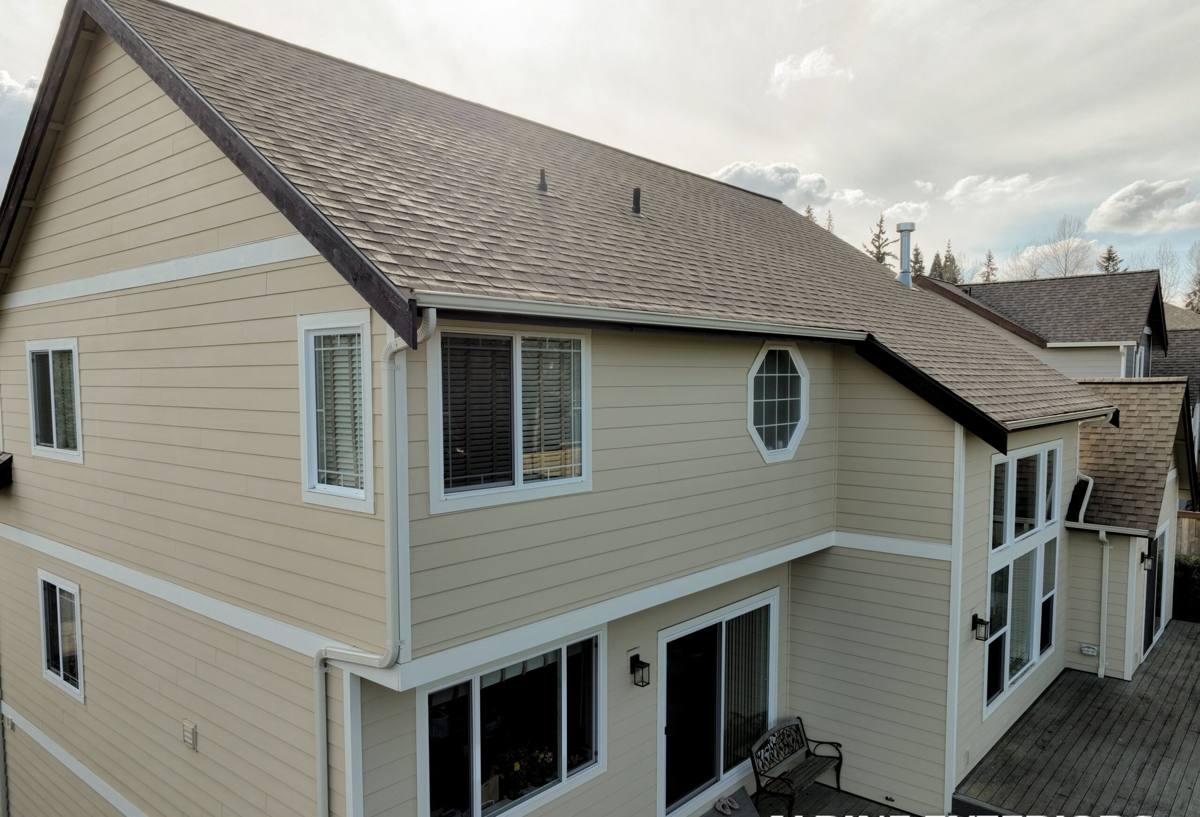
Why East Lake Siding Takes More Abuse Than Average
A few climate factors combine here in a way that accelerates wear on exterior siding:
- Hurricane-force wind events. Even homes that never take a direct hurricane hit absorb repeated tropical storm and squall-line winds that flex panels, work loose fasteners, and open seams over time.
- Wind-driven rain. Rain that's pushed sideways by wind finds every gap in flashing, trim, and caulk joints — moisture intrusion behind siding is one of the most common issues we diagnose, and it's rarely visible from the ground.
- Intense, near year-round UV exposure. Florida sun degrades paint films, caulk, and lower-grade composite materials faster than almost any other U.S. climate, leading to chalking, fading, and brittleness.
- Salt air. East Lake's proximity to Tampa Bay and the Gulf means a steady low-level salt content in the air that accelerates corrosion of fasteners, trim, and any metal components tied into the siding system.
None of these factors act alone — they compound. Wind opens a seam, wind-driven rain gets behind the panel, UV has already made the caulk around it brittle, and salt air corrodes the fastener holding it in place. That's how a small, cheap repair turns into a rot problem if it sits too long.
Signs an East Lake Home Needs Siding Repair Now, Not Later
Most siding damage doesn't announce itself with a dramatic failure — it shows up as small details that are easy to write off. Worth checking for:
- Soft or spongy spots when you press on the siding, especially near the bottom courses and around window and door trim
- Visible gaps, cracks, or missing caulk at panel joints, corners, and trim boundaries
- Panels that look warped, buckled, or pulled slightly away from the wall
- Peeling, bubbling, or chalky paint film, particularly on sun-exposed elevations
- Dark streaking or staining that suggests water is running behind the siding rather than off it
- Rust bleeding from fastener heads or trim corners
- A musty smell or visible mold/mildew growth concentrated in one area of an exterior wall, which often points to interior moisture intrusion
Any one of these on its own might be minor. Two or three together, especially clustered on the same wall, usually means water has been getting behind the siding for a while.
The Repair Issues We Actually See Most in This Area
Failed caulk and sealant joints
Caulk is the first line of defense at every seam, corner, and penetration, and it's also the first thing UV and heat cycling break down. Once it cracks or shrinks, wind-driven rain has a direct path behind the panel.
Storm-loosened panels and fasteners
Repeated wind loading backs out fasteners and flexes panel edges away from the wall. This is common after any tropical system passes through, even when there's no obvious storm damage from the street.
Moisture and rot at trim and butt joints
Butt joints (where two siding pieces meet end to end) and trim boundaries are the most vulnerable points in any siding system. On homes with older or improperly detailed siding, this is where we most often find soft substrate or rot once we open things up.
UV-driven fading and material fatigue
Especially on south- and west-facing walls, sustained sun exposure fades paint and, on lower-grade composite or wood-based products, can cause the material itself to become brittle or delaminate over time.
Repair or Replace? How We Make That Call
Not every issue justifies a full re-side, and we won't sell a homeowner more work than the house needs. But a repair only makes sense if the underlying structure is sound. Here's how we generally think about it:
| Factor | Points Toward Repair | Points Toward Replacement |
|---|---|---|
| Extent of damage | Isolated to one or two areas/elevations | Spread across most of the home |
| Substrate condition | Sheathing and framing are dry and solid | Rot or moisture damage found behind panels |
| Material match | Existing siding line/profile still available | Discontinued product, poor color/texture match |
| Age of existing siding | Well within expected service life | Near or past the end of its practical lifespan |
| Root cause | Isolated event (storm impact, one failed joint) | Systemic issue (poor original installation, chronic moisture) |
We'll always tell you honestly which side of that table your home falls on before we recommend a scope of work.
What a Correct Siding Repair Actually Involves
A repair that just covers the visible damage without addressing the cause isn't a repair — it's a delay. Our process on every East Lake job includes:
- Diagnosing the cause, not just the symptom. If a panel is damaged, we check why — a one-time impact is different from an ongoing moisture problem.
- Checking behind the siding. Where there's any sign of moisture intrusion, we open the area up to inspect the sheathing, house wrap, and flashing before closing anything back up.
- Correcting flashing and drainage details. A lot of long-term siding failure traces back to water management details, not the siding material itself. We fix those details as part of the repair, not around them.
- Matching materials properly. Because we work exclusively in James Hardie fiber cement, we can source matching profiles and ColorPlus finishes far more reliably than a crew juggling multiple brands and product lines.
- Using corrosion-resistant fasteners. Given the salt air this area sees, fastener choice matters as much as the panel itself.
- Reinforcing exposed seams and trim. Any joint that's a known weak point gets properly sealed and detailed, not just re-caulked over old failure.
Why We Only Repair With James Hardie Fiber Cement
We install and repair exclusively with James Hardie products — we don't work in vinyl, LP SmartSide, Cemplank, Allura, or bare wood siding. That's a deliberate standard, not a limitation. Hardie's fiber cement is non-combustible, engineered specifically for high-heat, high-moisture climates through its HZ5 product line, and its ColorPlus factory finish holds color far longer under Florida UV than field-applied paint on other substrates. That matters directly for repair work: it means we can patch or replace individual courses with material that behaves the same way, weathers the same way, and matches the way the rest of the wall will age — rather than introducing a different material that expands, contracts, or fades differently right next to the original siding.
It also means any repair we do is backed by a real, transferable manufacturer warranty on the material itself, in addition to our own workmanship standards.
Why It Matters That We Already Work in East Lake
Siding repair isn't one-size-fits-all, and a crew that's unfamiliar with this specific pocket of Pinellas County is more likely to miss the details that matter here — how far homes sit from open water, how wind exposure varies by lot orientation, and which failure patterns actually show up on East Lake homes versus a generic coastal listing. A crew that already works in this area brings:
- Familiarity with Oldsmar and Pinellas County permitting requirements for exterior repair work
- A working knowledge of how local wind and moisture patterns actually damage siding, not just textbook climate factors
- Faster turnaround because we're not learning the area on your job
- Accountability — we're not a crew that disappears after a storm rush; we're here for the follow-up if anything needs attention
Get an Honest Look at What Your Siding Needs
If your East Lake home has soft spots, open seams, storm-loosened panels, or siding that's just started looking tired under the Florida sun, it's worth getting an honest assessment before small issues turn into structural ones. We'll tell you plainly whether you're looking at a targeted repair or something bigger — no upsell, no guesswork. Reach out for a free, no-pressure estimate and we'll walk your home's exterior with you in person.