 Oldsmar Siding
 Building a Deck That Actually Holds Up in Land O' Lakes
A deck in this part of Florida works harder than a deck almost anywhere else in the country. It bakes in direct sun for most of the year, gets soaked by sudden afternoon storms, and has to be engineered to survive hurricane-force wind without becoming a projectile. Homeowners in Land O' Lakes often come to us after a previous deck started cupping, splitting, or working loose at the railings within just a few years — and in almost every case, the problem traces back to the wrong material, the wrong fasteners, or a structural shortcut that wasn't built for this climate to begin with. This page covers what actually goes into a deck built for this area, not a generic build that happens to sit outdoors.
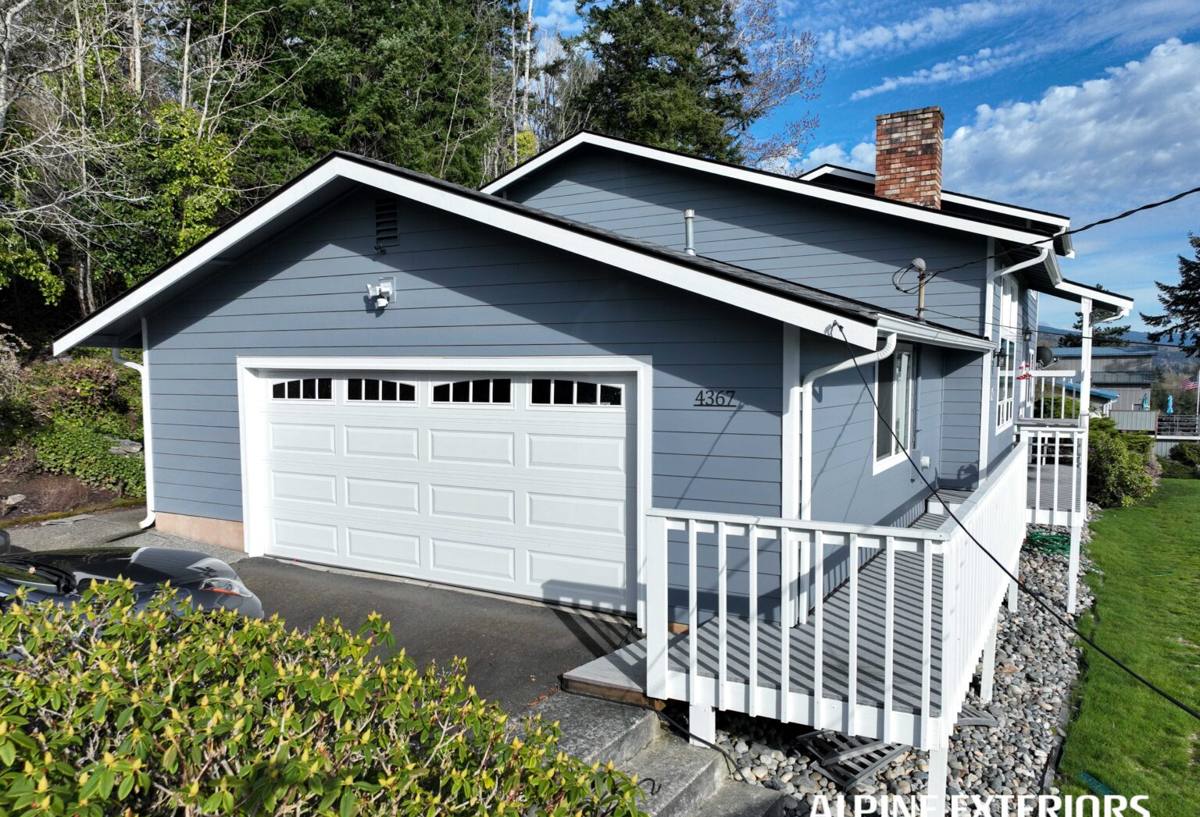
What Florida's Climate Actually Does to a Deck
Hurricane-Force Wind
Decks aren't just exposed to wind — they're attached to the house, which means a poorly secured deck can pull ledger boards away from the structure during a bad storm. Railings, stair stringers, and the ledger connection all need to be rated for uplift and lateral load, not just built to hold body weight on a calm day.
Intense, Year-Round UV
Florida sun is relentless on exposed wood and plastics alike. UV breaks down the lignin in wood fiber, causing graying and surface checking, and it can fade or soften lower-grade composite and PVC boards over time. The materials and finishes we use are chosen specifically because they hold their color and structural integrity under sustained UV exposure, not just because they look good in a showroom.
Wind-Driven Rain and Standing Moisture
Afternoon storms here don't fall straight down — wind pushes rain sideways and up under railings, fascia, and stair treads. That means flashing, gaps for drainage, and fastener choice matter as much as the decking material itself. A deck that traps moisture against a ledger board or post base will rot from the inside long before the surface shows any damage.
Salt Air
Even well inland from the Gulf, salt-laden air carried on coastal breezes accelerates corrosion on fasteners, brackets, and any hardware that isn't rated for it. We've seen decks where the boards were still in good shape but the hidden hardware had already corroded to the point of failure.
Choosing a Decking Material That Fits This Climate
There's no single "best" decking material — there's a best material for your budget, your maintenance tolerance, and how the deck will actually be used. Here's how the common options compare for a Land O' Lakes install:
| Material | Upfront Cost | Maintenance | Climate Fit |
|---|---|---|---|
| Pressure-treated wood | Lowest | Annual sealing/staining recommended | Good if maintained; prone to checking and graying without upkeep |
| Composite decking | Mid to high | Occasional washing, no sealing | Strong UV and moisture resistance; quality varies by brand and core type |
| PVC decking | Highest | Lowest — washing only | Fully synthetic, handles moisture and UV very well, higher upfront cost |
| Tropical hardwoods | High | Periodic oiling to maintain color | Naturally dense and rot-resistant, but needs consistent maintenance |
We install all of these depending on what the homeowner wants, but we're honest about trade-offs. Wood is the most affordable and the most natural-looking, but it's also the option most dependent on the homeowner keeping up with maintenance — skip a year of sealing in this sun and heat and you'll see it. Composite and PVC cost more upfront but remove most of the maintenance burden, which is a big part of why they've become the default choice for a lot of homeowners here.
The Structural Details That Actually Determine Deck Lifespan
The decking surface is what you see, but the framing underneath is what determines whether the deck is still safe and solid in ten or fifteen years. This is where we see the biggest gap between a deck that's built correctly and one that just looks fine on installation day.
Ledger Board Attachment
The ledger board — where the deck attaches to the house — is the single most common failure point on decks that aren't properly built. It needs correct flashing to keep water from getting behind it, and it needs to be through-bolted or lag-screwed into structural framing, not just nailed to siding or sheathing.
Footings and Post Bases
Footings need to be sized and set to local frost-free depth and soil-bearing requirements, and post bases should hold posts up off the concrete so they're not sitting in standing water after every storm. A post that touches wet concrete directly will rot from the base up, regardless of how well the rest of the deck is built.
Fasteners and Hardware
Given the salt air and humidity, we use stainless steel or hot-dip galvanized fasteners and structural connectors rated for coastal exposure — not the cheaper coated fasteners that can corrode and stain the decking around them within a couple of seasons.
Railings and Guards
Railing height, baluster spacing, and load rating are all governed by code, and they're not optional details — they're the difference between a railing that holds up under real pressure and one that flexes or fails when someone leans on it.
Permitting and Inspection
Deck construction in this area requires a permit in nearly all cases, along with inspections at the footing and framing stages before the decking goes down. We handle the permitting process as part of the job rather than leaving it to the homeowner, and we build to pass inspection the first time — not to scrape by. Skipping permits might save time upfront, but it can create real problems later with insurance claims, home sales, or code enforcement if the work is ever questioned.
How We Build a Deck, Start to Finish
- On-site assessment. We look at the house's structure, the ground conditions, drainage, sun exposure, and how you actually plan to use the space.
- Material and layout discussion. We walk through decking material options, railing styles, and layout honestly, including cost and maintenance trade-offs for each.
- Permitting. We prepare and submit the permit package and schedule the required inspections.
- Demolition of the old deck, if applicable. Old structures are removed and hauled off before new framing begins.
- Footings and framing. Footings are set, framing is built with corrosion-resistant hardware, and the ledger connection is properly flashed and fastened.
- Decking, railings, and stairs installed. Boards, railings, and stairs go in per manufacturer specs and code requirements.
- Final walkthrough and inspection. We review the finished deck with you and confirm it passes final inspection.
Maintenance Checklist to Protect Your Investment
Whatever material you choose, a little regular attention goes a long way in this climate:
- Sweep debris off the surface regularly so it doesn't trap moisture against the boards
- Check railings and stair connections annually for any looseness
- Reseal or stain wood decking on the manufacturer-recommended schedule, typically every one to two years in this sun
- Wash composite or PVC decking periodically to prevent mildew buildup in shaded areas
- Inspect visible fasteners and hardware for corrosion or staining
- Confirm gaps between boards stay clear so water drains properly instead of pooling
- Watch for soft spots near the ledger board or post bases, which can signal hidden moisture damage
What Affects the Cost of a Deck
Every deck is priced based on size, material, and complexity, so we don't quote firm numbers without seeing the site — but these are the factors that move the price up or down:
| Factor | Effect on Cost |
|---|---|
| Decking material (wood vs. composite vs. PVC) | Largest single cost driver |
| Deck size and shape | More square footage and non-rectangular layouts increase labor and material |
| Height above grade | Taller decks need more substantial framing, footings, and stair runs |
| Railing style | Cable, glass, and composite railing systems cost more than standard baluster rail |
| Site access and demolition | Removing an old deck or working around tight access adds labor time |
Why Hiring a Crew That Already Works in Land O' Lakes Matters
A deck built with a generic, one-size-fits-all approach — the kind used in drier, milder climates — doesn't hold up here. A crew that regularly works in and around Land O' Lakes already knows which fastener grades actually last, how deep footings need to go for the soil conditions in this area, and how to detail flashing so wind-driven rain doesn't find its way behind the ledger board. That local knowledge doesn't show up on a spec sheet, but it shows up in how the deck performs five, ten, and fifteen years later. We'd rather build it right the first time than have a homeowner call us back in three years about a problem that never should have happened.
If you're planning a new deck or replacing one that's past its prime, we're happy to take a look and talk through honest options for your home. Request a free, no-pressure estimate using the form below, and we'll walk you through what a deck built for this climate actually involves.