 Oldsmar Siding
 Building a Deck That Actually Holds Up Near Oldsmar
Homes in the Countryside area near Oldsmar sit close enough to Tampa Bay and the Gulf that "just build it like they do up north" is a bad plan. A deck here isn't just a weekend carpentry project — it's an outdoor structure that has to survive hurricane-force wind gusts, months of intense UV exposure, wind-driven rain that finds every gap, and a steady drift of salt air that speeds up corrosion on anything that isn't rated for it. We've built and repaired enough decks in Pinellas County to know which shortcuts fail first and which details actually matter once the structure has a few Florida summers behind it.
This page focuses specifically on deck building for Countryside-area homeowners — what your climate demands, what a correctly built deck involves, how our process works, and why it matters to hire a crew that already understands this specific stretch of Pinellas County rather than a generalist who last worked in a drier, milder climate.
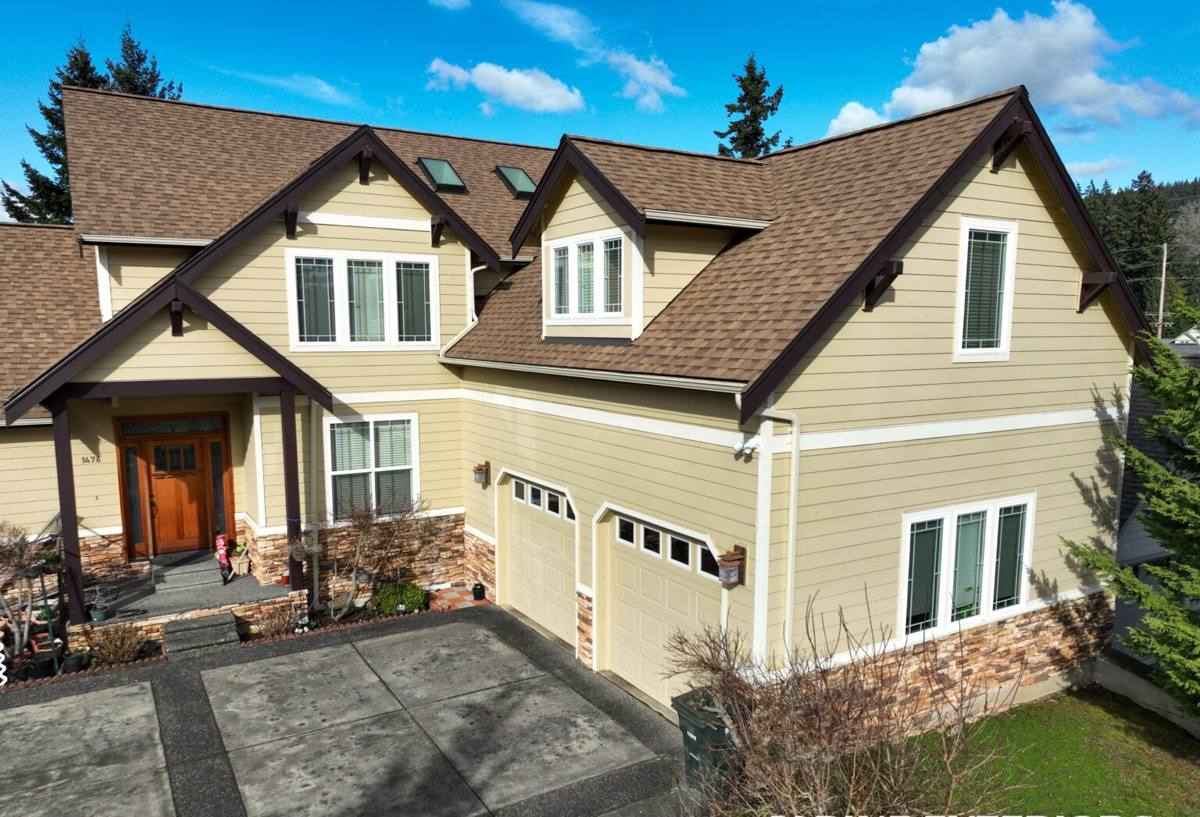
What Countryside's Climate Does to an Ordinary Deck
A deck built to a generic national spec — the kind you'll find in a big-box how-to guide — is not built for this area. Four regional factors drive most of the deck failures and premature repairs we see locally:
- Hurricane-force wind loads. A deck attached to the house has to resist uplift and lateral loads, not just support the weight of furniture and people standing on it.
- Intense, near-constant UV. Florida sun bleaches and dries out untreated or poorly sealed wood far faster than in cooler climates, and it degrades cheaper composite blends over time too.
- Wind-driven rain. Storms here rarely fall straight down. Rain gets pushed sideways under railings, into ledger board connections, and into fastener holes that weren't properly sealed.
- Salt air corrosion. Even a few miles inland from the bay, airborne salt accelerates rust on standard fasteners, brackets, and hardware — the kind of damage that's invisible until a board or railing fails.
None of these are dealbreakers. They're just design and material requirements that have to be respected from the footings up.
What a Correct Deck Build Involves Here
Structural Foundation First
Everything else on a deck is cosmetic compared to what's underground and at the ledger connection. Footings need to be sized and depth-set for local soil conditions, and the ledger board — where the deck attaches to the house — needs proper flashing and lag or through-bolt connections, not just nails. This is the single most common point of failure we find on older or poorly built decks in this area: a ledger board that was never flashed correctly, letting water intrude behind the siding for years before anyone notices the rot.
Framing Rated for Wind Uplift
Post-to-beam and beam-to-joist connections should use code-rated hurricane ties and structural screws, not just toe-nailing. In a wind event, an under-engineered deck doesn't just get damaged — it can pull away from the house or take railings and stairs with it.
Fasteners and Hardware Built for Salt Air
Standard galvanized fasteners corrode faster near the coast than most homeowners expect. We use stainless steel or coated fasteners rated for coastal exposure throughout the structure, not just on the visible surface boards. A deck can look fine on top while the hardware holding it together is quietly rusting away underneath.
Decking Material Suited to Sun and Moisture
Whatever surface material you choose has to handle direct sun for most of the year and repeated wet-dry cycles from Florida's rain patterns. We'll walk through the tradeoffs below, but the short version is: the right material depends on your maintenance tolerance and budget, not just looks.
Comparing Deck Material Options for This Climate
| Material | Upfront Cost | UV & Salt Air Resistance | Maintenance | Typical Lifespan (well-built) |
|---|---|---|---|---|
| Pressure-treated wood | Lowest | Fair — needs regular sealing | Annual cleaning and re-sealing | 10–15 years with upkeep |
| Composite decking | Mid to higher | Good — fade and moisture resistant | Periodic washing, no sealing | 20–25+ years |
| PVC decking | Highest | Very good — fully synthetic, no wood fibers to absorb moisture | Low — occasional washing | 25+ years |
| Tropical hardwoods (e.g., ipe) | High | Very good naturally, but color fades without oiling | Periodic oiling to maintain color | 25+ years structurally |
There's no universally "right" answer here — it's a genuine tradeoff between upfront cost, ongoing maintenance, and how the material behaves in wet, sunny, salty conditions over a decade or more. We'll walk you through the honest pros and cons for your specific project rather than pushing whatever has the best margin.
Railings, Stairs, and Attachment Points
Railings and stairs take more abuse than the deck surface itself — they get grabbed, leaned on, and hit by wind loads directly. Railing posts need to be through-bolted to the framing, not just screwed to a rim joist, and any metal railing components should be rated for coastal exposure. Stair stringers need proper footing support of their own, not just a resting pad, since improperly supported stairs are one of the more common structural complaints we see on decks that weren't built to hold up under repeated use and weather cycling.
Permitting and Code Compliance in Pinellas County
Most deck construction in this area requires a building permit, and inspections typically cover footings, framing, and final construction before the deck is signed off. Permit requirements exist for a real reason here — decks that skip proper permitting and inspection are disproportionately represented in wind-damage claims after storms, because nobody verified the structural connections before it was covered up or put into use. We handle the permitting process as part of the job so you're not left navigating county requirements on your own, and so the finished deck is documented as code-compliant if you ever sell the home or file an insurance claim.
Our Deck Building Process
We keep the process straightforward and communicate at each stage so there are no surprises:
- On-site consultation. We look at your yard, the house's structural attachment points, drainage, and sun exposure, and talk through what you actually want to use the space for.
- Design and material selection. We walk through material tradeoffs — wood, composite, PVC, or hardwood — based on your budget and how much upkeep you're willing to do.
- Permitting. We prepare and submit the permit application and structural details required by the county.
- Site prep and footings. Footings are dug and set to the depth and spacing the design calls for, not shortcut to save a day of labor.
- Framing and structural connections. Ledger flashing, hurricane ties, and coastal-rated fasteners go in at this stage — the part of the job that's invisible once decking goes down but determines how the deck performs in a storm.
- Decking, railings, and stairs. Surface material and railings are installed per manufacturer specs, with attention to fastener spacing and expansion gaps appropriate to Florida heat cycling.
- Final walkthrough and inspection. We review the finished deck with you and coordinate final county inspection.
Maintenance That Actually Extends the Life of Your Deck
Even the best-built deck needs some ongoing attention in this climate. Here's a realistic seasonal checklist:
- Rinse pollen, salt residue, and organic debris off the deck surface every few weeks, more often near the coast.
- Check railing posts and stair connections annually for looseness — wind and heat cycling can work fasteners loose over time.
- Inspect the ledger board area at the house connection once a year for signs of water staining or soft wood.
- Re-seal or re-oil wood decking on the schedule recommended for your specific species — skipping this is the single biggest cause of premature wood deck failure locally.
- Clear leaves and debris from between boards so water doesn't pool and trap moisture against the structure.
- After any major storm, do a visual check of railings, stairs, and the ledger connection before heavy use resumes.
Why a Crew That Already Works This Area Matters
A contractor who builds decks across the wider Tampa Bay region and understands the specific conditions near Oldsmar and Countryside isn't guessing at fastener specs or footing depth — they've already seen what fails here and what doesn't. That means fewer callbacks, a structure that's actually engineered for the wind loads Pinellas County sees, and a crew that knows the local permitting process instead of learning it on your project. It also means someone who can look at an existing deck and immediately spot the kind of ledger flashing or hardware corrosion issues that cause problems years down the road, because they've seen the same pattern on other homes nearby.
If you're planning a new deck or need an honest assessment of an existing one, we're happy to take a look and give you a straightforward, no-pressure estimate — just fill out the form below.