 Oldsmar Siding
 Why Tampa-Area Homes Need Windows Built for This Climate
Windows on a home near Tampa and Oldsmar do a lot more work than windows almost anywhere else in the country. They have to hold up against hurricane-force wind gusts, take direct year-round UV exposure that breaks down seals and finishes faster than in milder climates, resist wind-driven rain that gets forced sideways into every gap and weep hole, and shrug off salt air drifting in off Old Tampa Bay and the Gulf that quietly corrodes hardware and fasteners. Any one of those on its own is manageable. All four, every year, for the life of the window, is what actually separates a window that lasts fifteen years from one that lasts thirty.
That's the backdrop for every recommendation in this page. We're not describing windows in the abstract — we're describing what has to survive on a house in this part of Pinellas County, in this weather, for a long time.
What "Custom" Actually Means When We Talk About Windows
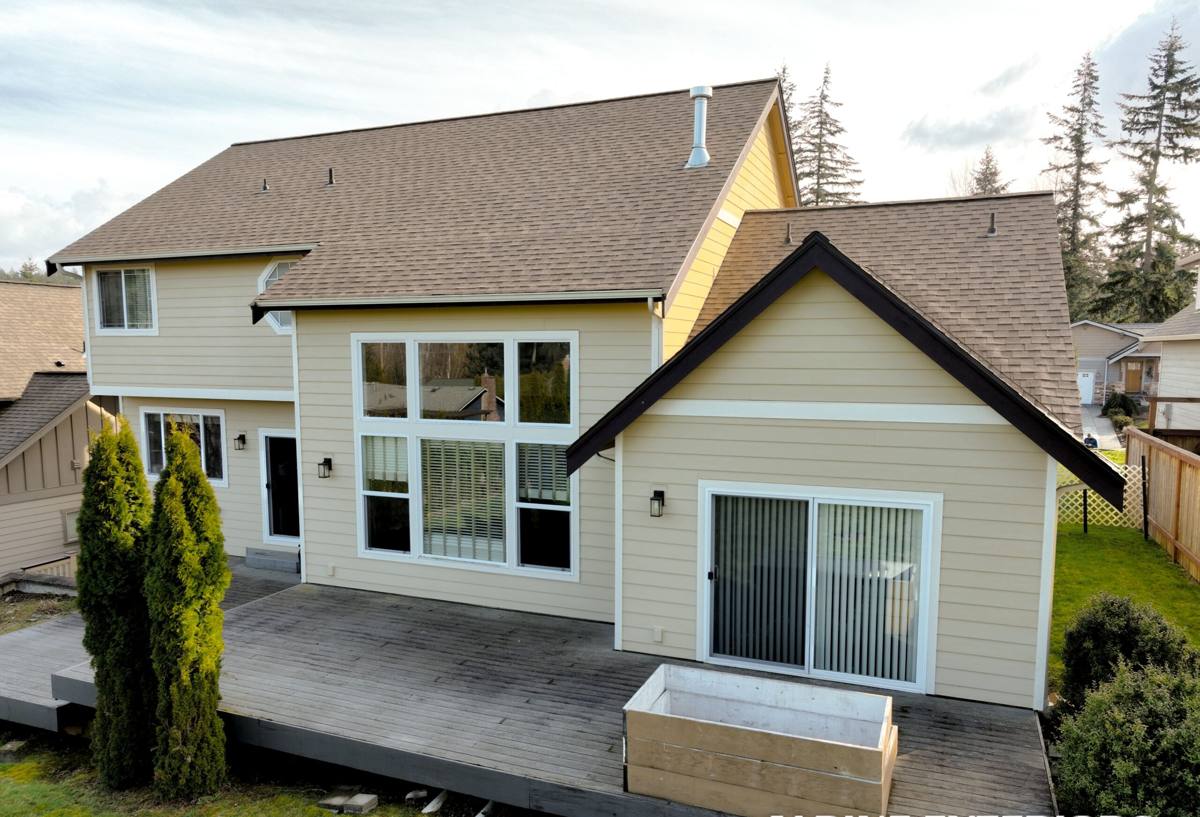
"Custom" gets used loosely in this trade. For us it means two specific things: the window is built to the actual dimensions of your opening rather than forced to fit a stock size, and the glass, frame, and hardware are selected to match how that particular opening performs — sun exposure, wind exposure, and what's behind the wall.
Sizing to the Actual Opening
Older homes in this area, especially anything built or added onto before more recent code cycles, rarely have perfectly square, perfectly consistent openings. Stock windows get shimmed, gapped, and caulked to fit — and every one of those gaps is a future leak point. A custom-sized window is measured and built to the opening as it actually exists, which means fewer shims, less caulk doing structural work it shouldn't be doing, and a tighter seal against wind-driven rain.
Matching Architecture and Sightlines
Custom also covers grid pattern, frame profile, and glass tint or coating choices that fit the house instead of whatever happened to be in stock. A window that's technically rated correctly but looks wrong on the house — too heavy a frame, mismatched grid lines, glass that's noticeably darker or lighter than the rest of the elevation — is still a mistake, just a cosmetic one you'll be looking at every day.
Impact-Rated, Impact-Resistant, and Standard Windows Compared
These terms get used interchangeably by homeowners and inconsistently by salespeople, which causes real confusion. Here's the honest breakdown of what each one actually gets you in this climate.
| Window Type | What It Actually Is | Best Fit |
|---|---|---|
| Standard (non-rated) | Single or dual-pane glass, no laminated interlayer, no wind debris testing to Florida Building Code standards | Interior or fully covered/protected openings only — not exterior-facing on this coast |
| Impact-resistant (laminated) | Dual-pane glass with a laminated interlayer bonded between panes, tested against large and small missile impact per FBC | Most exterior openings on Tampa-area homes; no shutters needed, stays closed during a storm |
| Standard glass + separate shutters/panels | Ordinary glass paired with removable or roll-down protection installed before a storm | Budget-conscious homeowners willing to deploy protection manually before every storm |
We install impact-rated windows on the large majority of Tampa-area jobs, not because it's the only acceptable option, but because it's the one that doesn't depend on someone remembering to put up shutters before a storm arrives — and because the laminated glass also cuts UV transmission and outside noise every day the storm isn't happening.
Frame Material Options for This Climate
Frame material matters as much as the glass. In a coastal, high-UV, high-humidity environment, the frame is what fails first if the wrong material was used for the application.
| Frame Material | Salt Air / Corrosion Behavior | UV / Heat Behavior | Relative Cost |
|---|---|---|---|
| Vinyl | Won't corrode; hardware is the only metal exposed | Good UV stability in modern formulations; dark colors absorb more heat | Lower |
| Aluminum | Needs a quality finish and stainless or coated hardware to resist salt corrosion long-term | Conducts heat more than vinyl or fiberglass; thermally-broken profiles help | Mid |
| Fiberglass / composite | Excellent corrosion resistance, very stable in salt air | Very low expansion/contraction across temperature swings, strong UV stability | Higher |
Vinyl
The most common choice for good reason — it doesn't corrode, it's cost-effective, and modern vinyl formulations hold up well to Florida UV without chalking or yellowing the way older vinyl did. The tradeoff is some flex in very large openings, which is why sizing and reinforcement matter more with vinyl than with stiffer materials.
Aluminum
Slimmer sightlines and strong structural performance for larger openings, which is why it still shows up on more architectural projects. It needs correctly specified hardware and finish to hold up against salt air near the bay — cutting corners on that spec is where aluminum windows get a bad reputation.
Fiberglass and Composite
The best all-around performer against this climate's specific stresses — heat, UV, and salt — at a higher upfront cost. We recommend it most often for homes closer to open water or for owners planning to stay long enough that the lifecycle cost math favors it.
Our Installation Process
- On-site assessment. We measure every opening individually, check for water damage or rot around existing frames, and note sun exposure and prevailing wind direction for each elevation.
- Product selection. We walk through impact rating, frame material, glass coating, and grid/style options based on that specific home — not a one-size recommendation.
- Permitting. We handle the permit application and inspection scheduling required for window replacement under Florida Building Code in Pinellas County.
- Removal and prep. Old windows come out carefully to protect stucco, siding, and interior trim; any rot or water intrusion found in the opening gets addressed before the new window goes in — never covered over.
- Installation and flashing. Correct flashing and sealant details around the opening matter as much as the window itself; this is where most long-term leaks actually originate on poorly installed jobs.
- Final inspection and walkthrough. We confirm proper operation, sealing, and code compliance, and walk the homeowner through care and warranty coverage.
Signs Your Current Windows Are Already Failing
Window failure in this climate is usually gradual, not sudden. Watch for:
- Fogging or a permanent haze between panes on dual-pane windows — the seal has failed and the insulating gas or air gap is gone
- Visible daylight or a draft around the frame when the window is fully closed and locked
- Soft or discolored wall or trim material near the window, which usually means water has been getting past the frame
- Difficulty opening, closing, or locking, especially on aluminum-framed windows where corrosion has affected the hardware
- Chalky, faded, or pitted frame finish, particularly on the side of the house that takes the most direct sun or salt-laden wind
- Noticeably higher outside noise or heat transfer compared to other rooms in the house
Permits and Code Requirements for Pinellas County Homeowners
Window replacement in Pinellas County requires a permit and inspection under the Florida Building Code — this isn't optional paperwork, it's what confirms the installed product and installation method actually meet the wind load and wind-borne debris requirements for this region. Product approval numbers, correct anchoring, and proper flashing details all get verified as part of that process. Skipping permitting to save time or money is a real liability at resale, since unpermitted window work is a common finding in home inspections and can complicate insurance claims after a storm.
Why Hiring a Crew That Already Works in Tampa Matters
A window that's correctly rated on paper can still perform poorly if it's installed by someone unfamiliar with how buildings in this specific area are put together — stucco-over-frame construction, block homes with furring strips, older wood-frame houses that have settled and shifted openings out of square. A crew that regularly works Tampa-area homes has already seen the common problems specific to this region's building stock and knows what to check for before the new window ever goes in, not after a leak shows up.
Local also means being reachable. If a seal needs adjustment, a lock needs service, or a storm exposes something that needs a second look, you're calling a crew that's a short drive away and already has your job on file — not chasing down a company that installed once and moved on to the next region.
If you'd like a straightforward look at what your Tampa-area home actually needs, we offer a free, no-pressure estimate — walk the openings with us, ask every question you have, and get a real recommendation with no obligation to move forward.