 Oldsmar Siding
 Why Feather Sound Needs a Different Window Approach
Feather Sound sits close to Old Tampa Bay, which means homes here deal with a version of Florida weather that's a step harsher than what you'd find a few miles inland. Open water means more direct wind exposure, more salt suspended in the air, and less tree cover to slow down a storm before it reaches your walls. A window that performs fine in a shielded inland subdivision can fail years earlier here — not dramatically, just quietly, through seal breakdown, corroded hardware, and frames that warp faster than they should.
Custom windows for this area aren't about upgrading for the sake of it. They're about matching the product and the installation to what the site actually throws at the house: sustained coastal wind, salt-laden humidity, intense UV load almost every day of the year, and the wind-driven rain that comes sideways during Gulf storms rather than straight down. Get any one of those wrong and the window becomes the weak point in an otherwise solid home.
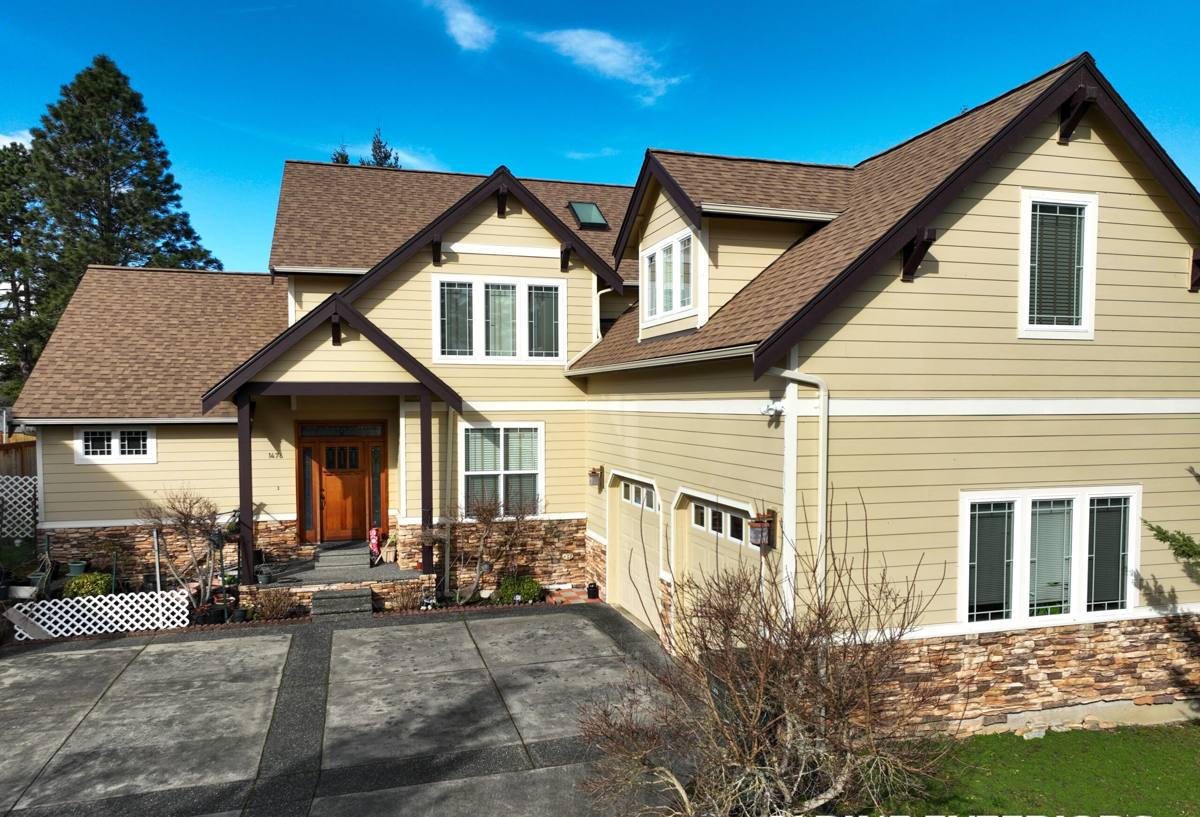
The Four Climate Forces Working Against Your Windows
Hurricane-Force Wind and Pressure Cycling
Pinellas County sees direct storm threats most seasons, and a bay-adjacent location like Feather Sound gets less friction from surrounding development to slow wind speed down. Windows here need to handle both the direct force of wind-borne debris impact and the repeated pressure cycling — the push-pull as a storm's gusts hit and release the glass and frame over and over. That cycling is what loosens poorly-anchored frames over time, even in windows that survive the initial impact fine.
Salt Air and Corrosion
Proximity to the bay puts a fine mist of salt into the air on windy days, and that salt settles on and around window hardware, screens, and exposed fasteners. Standard steel hardware corrodes faster here than it would twenty miles inland. Over a few years, corrosion can seize locks, pit frame finishes, and eat away at fasteners that were never rated for a marine-adjacent environment in the first place.
Year-Round UV Exposure
Florida sun doesn't take a season off, and UV breaks down vinyl, weakens seals, and fades interior finishes through unprotected glass. A window with the wrong glass package will let a home run hotter and cost more to cool, and the frame material itself can become brittle and prone to cracking well before its expected lifespan.
Wind-Driven Rain
Sideways rain during a storm doesn't just test the glass — it tests every seam, sill, and flashing detail around the window. Most water intrusion problems we get called out for aren't glass failures at all. They're installation gaps: a sill pan that wasn't sloped right, flashing that wasn't lapped correctly, or sealant that was asked to do a job that should have been handled by proper detailing underneath it.
What a Correct Custom Window Job Actually Involves
"Custom" should mean the window is sized, engineered, and installed for your specific opening and your specific exposure — not just a nicer frame color. For Feather Sound homes, that means:
- Accurate field measurement of each opening, since older Florida homes rarely have perfectly square or consistent rough openings
- A wind load calculation appropriate to the home's location and height, not a generic countywide default
- Impact-rated glass or an approved protection system matched to current Pinellas County wind zone requirements
- Proper sill pan flashing and back dam details, so any water that gets past the glass drains outward instead of into the wall cavity
- Corrosion-resistant fasteners and hardware suited to a bay-adjacent, higher-salt environment
- Sealant and backer rod installed as a secondary defense, never as the sole line of protection
- Interior and exterior trim work that restores the original look of the home, not a generic retrofit appearance
Skip any one of these and the window might still look right on install day. The problems that show up are the ones you don't see for a year or two: a soft spot developing in drywall below a sill, a lock mechanism that won't turn smoothly, glass that's noticeably hotter to the touch than it should be on a summer afternoon.
Impact-Rated vs. Standard Windows: What the Difference Actually Means
| Factor | Standard (Non-Impact) Window | Impact-Rated Window |
|---|---|---|
| Glass construction | Single or standard dual-pane, no laminate interlayer | Laminated glass that stays intact even when cracked |
| Storm protection needed | Requires separate shutters or panels | Glass itself is the protection — no shutters to deploy |
| Code compliance in wind-borne debris regions | Only compliant when paired with approved shutter system | Meets requirements on its own |
| Noise and UV reduction | Moderate | Noticeably better on both, due to the laminate layer |
| Upfront cost | Lower | Higher, but often offsets shutter/panel costs over time |
| Insurance consideration | May not qualify for wind mitigation credits | Often eligible for wind mitigation credits — worth confirming with your carrier |
Neither option is automatically "wrong" — some Feather Sound homeowners already have a shutter system they're happy maintaining and prefer standard glass at a lower cost. Our job is to lay out the real tradeoffs for your specific home and let you make that call with honest numbers, not a sales pitch toward the more expensive option.
How Our Process Works, Start to Finish
- On-site assessment: we walk the exterior and interior of each opening, check current framing condition, and note any existing water intrusion signs before quoting anything.
- Measurement and engineering: every window is measured to the actual opening, and we confirm the wind load and glass requirements that apply to your specific address and structure height.
- Written estimate: a clear breakdown of product, labor, and any framing repair needed — no vague allowances buried in the total.
- Permitting: we pull the required permits through the appropriate jurisdiction before work begins. This isn't optional for window replacement in Florida, and skipping it can create real problems at resale.
- Removal and prep: old windows come out carefully to protect surrounding drywall, stucco, and paint, and we inspect the framing underneath for rot or prior water damage before anything new goes in.
- Flashing and sill pan installation: this is the step that determines whether the window stays dry for the next twenty years, and it's the step most often rushed by crews unfamiliar with coastal installs.
- Window setting and fastening: shimmed, leveled, and anchored per the manufacturer's engineering, using fasteners rated for the exposure.
- Sealing and trim: exterior sealant, interior trim, and paint touch-up to match the existing finish.
- Final inspection and walkthrough: we test operation, check for square and smooth function, and walk you through care before we consider the job done.
Frame Material and Glass Package Cost Factors
| Choice | Where It Matters Most | What to Weigh |
|---|---|---|
| Vinyl frames | Budget-conscious replacements, good UV-stable formulations available | Quality varies widely between manufacturers — cheap vinyl yellows and warps faster in constant sun |
| Aluminum frames | Narrower sightlines, strong for larger openings | Needs a good thermal break, or it transfers heat and can sweat inside on cool mornings |
| Fiberglass frames | Long-term stability in heat and humidity swings | Higher upfront cost, generally the least maintenance over time |
| Low-E glass coating | Cooling cost control in year-round Florida sun | Nearly always worth it here — the payback shows up in your electric bill |
| Laminated (impact) glass | Storm protection, UV blocking, sound dampening | Heavier, requires proper frame engineering to support the added weight |
Signs an Existing Window Was Installed Wrong for This Area
We get called to a lot of Feather Sound and Oldsmar homes where the windows themselves are fine, but the install underneath them wasn't suited to the exposure. Common warning signs:
- Staining or a soft spot in drywall or baseboard directly below a window
- Locks or cranks that have become stiff or corroded within just a few years
- Visible daylight or a whistling sound around the frame during windy conditions
- Condensation forming between panes, which means the seal has already failed
- A frame that feels warm or hot to the touch compared to the surrounding wall
- Caulk that's cracked, shrunk, or pulling away from the frame edge
None of these mean you need a full replacement automatically, but they're worth a real inspection rather than just re-caulking and hoping.
Permitting and Code Requirements Specific to This Area
Window replacement in unincorporated Pinellas County and the surrounding Oldsmar area is governed by Florida Building Code wind-borne debris requirements, and the applicable wind speed and pressure ratings depend on your home's exact location and height. This isn't a step we skip or shortcut — proper permitting protects you at resale, keeps your homeowner's insurance in good standing, and confirms the products going in actually meet the rating your home requires. If your property is part of an HOA or condo association, there may be additional exterior appearance guidelines to check before work starts, and we're glad to help you sort out what applies before we finalize a design.
Maintaining Custom Windows in a Bay-Adjacent Climate
Even a correctly installed window benefits from a little seasonal attention in a salt-air environment. A simple maintenance routine goes a long way:
- Rinse frames and hardware periodically with fresh water to clear salt residue, especially after windy or stormy stretches
- Lubricate locks and cranks with a manufacturer-approved product once or twice a year
- Inspect exterior caulk lines annually and re-seal any cracked or shrunk sections promptly
- Clean weep holes at the base of the frame so water can drain properly instead of pooling
- Check screens for corrosion or tearing, since they take direct salt exposure
Why Local Experience in Feather Sound Actually Matters
A crew that only occasionally works this area is guessing at wind zone requirements, flashing details, and permitting expectations every time. A crew that regularly works Feather Sound and the broader Oldsmar area already knows the exposure conditions, has relationships with the local permitting process, and has seen firsthand what fails and what holds up on homes just like yours. That familiarity translates into fewer surprises during installation and a product that's actually specified correctly the first time, rather than a generic install adjusted after something goes wrong.
If you're considering custom windows for a Feather Sound home, we're happy to walk your property, look at your current windows, and give you a straight assessment of what your home actually needs. There's no pressure and no obligation — just a clear, honest estimate using the form below.