 Oldsmar Siding
 Windows Built for Dunedin's Climate, Not Just Its Openings
Dunedin sits close enough to the Gulf that the same conditions affecting the rest of coastal Pinellas County apply here in full: hurricane-force wind events, intense year-round UV exposure, wind-driven rain that finds every weak seam, and salt-laden air that quietly corrodes anything not built to resist it. Windows in this part of Florida do more work than windows almost anywhere else in the country, and a "custom" window job means more than cutting a frame to fit a nonstandard opening — it means specifying glass, framing, and installation details that are matched to what this specific location will throw at the house over the next fifteen to twenty years.
We work on homes throughout Oldsmar and neighboring Dunedin regularly, which means we're not learning the local wind zones, code requirements, or common older-home quirks on your project. That familiarity shows up in fewer surprises during the job and a window system that's actually sized and specified correctly the first time.
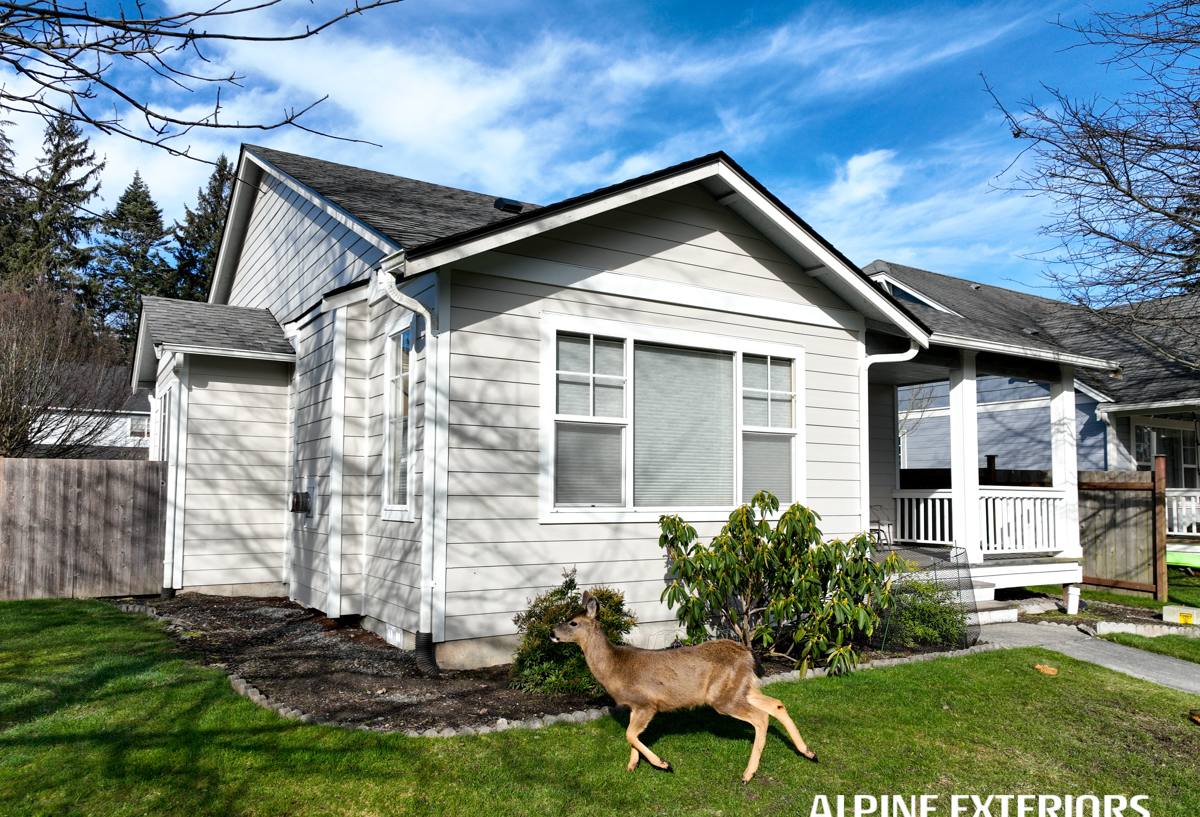
What "Custom" Actually Means for a Window
Custom windows aren't a luxury upgrade category — they're simply windows that aren't off-the-shelf standard sizes or shapes. That covers a lot of ground in Dunedin and Oldsmar, where housing stock ranges from older Florida ranch homes with settled, slightly out-of-square openings to newer construction with architectural features like arched tops, picture windows, or oversized openings that no stock size fits.
Common reasons a Dunedin homeowner needs custom sizing
- Older masonry or block homes where openings were framed before modern standard sizes existed
- Additions or renovations where the new opening doesn't match a manufacturer's stock dimensions
- Architectural shapes — arched, angled, or oversized openings that require special ordering
- Replacing a single odd window in a run where matching sightlines to the existing windows matters
- Impact-rated upgrades where the heavier frame and glass package changes the rough opening requirements
Custom doesn't have to mean expensive relative to standard replacement — it means measured, ordered, and installed to fit the opening you actually have, rather than forcing a stock size to work with shims, extra trim, or a compromised seal.
Wind-Borne Debris Compliance: Impact Glass vs. Traditional Glass with Shutters
Pinellas County falls within Florida's wind-borne debris region under the Florida Building Code, which means homes here generally need a documented method of protecting window and door openings during a storm. There are two accepted approaches, and which one makes sense depends on your budget, how the home is used, and how much day-to-day storm prep you want to deal with.
| Approach | How it protects the opening | Day-to-day appearance | Trade-offs |
|---|---|---|---|
| Impact-rated windows | Laminated glass and reinforced frame resist penetration directly — no separate action needed before a storm | Looks like a normal window at all times | Higher upfront cost per opening; heavier glass changes frame and installation requirements |
| Standard glass + accordion or panel shutters | Shutters deployed before a storm cover the glass | Shutters visible only when deployed; some styles have visible hardware year-round | Requires deployment before every storm; hardware needs periodic maintenance; less convenient if you travel |
| Standard glass + plywood/temporary panels | Panels installed and removed manually each storm | No visible hardware when not in use | Labor-intensive each storm; least convenient; not always practical for oversized or custom-shaped openings |
Because Dunedin and Oldsmar are near enough to the coast that we treat every project as being in the wind-borne debris region unless a specific site's permit history says otherwise, we always confirm the current code requirement for your address and elevation with local permitting before finalizing a scope — code minimums and mapped wind zones are the kind of thing worth verifying per-property rather than assuming.
Why we lean toward impact glass on custom orders
When a window is already being custom-ordered — because the opening is nonstandard or the whole house is being upgraded — the incremental cost of specifying impact-rated glass is usually smaller than doing it as a separate retrofit later, and it removes the shutter-deployment step from your storm prep entirely. That's our honest recommendation more often than not, but it's still your call based on budget and how the home is used.
Frame Materials and How They Hold Up Near the Coast
Salt air doesn't need to be right on the water to matter — it travels inland on prevailing winds, and homes throughout Oldsmar and Dunedin see measurable salt exposure even several miles from the Gulf. Frame material choice matters more here than in a landlocked climate.
Vinyl
Vinyl doesn't corrode and handles humidity well, which makes it a common, cost-effective choice locally. UV exposure over many years can affect color retention on lower-quality vinyl, so we specify UV-stabilized products rather than the cheapest available stock.
Aluminum
Aluminum is strong and holds tight tolerances well, which is part of why it's common in impact-rated systems. It does need a quality factory finish to resist coastal corrosion long-term — mill-finish or poorly coated aluminum is a maintenance liability near salt air, so finish quality is something we check on every spec, not an afterthought.
Fiberglass
Fiberglass resists both corrosion and UV degradation very well and holds paint or factory finishes over a long service life, which makes it a strong option for custom or architectural window jobs where appearance and longevity both matter. It typically carries a higher material cost than vinyl.
Glass Options Worth Understanding Before You Order
The glass package matters as much as the frame, especially with year-round Florida UV and the heat load it puts on a home's cooling system.
- Low-E coatings reduce how much solar heat and UV transfers through the glass, which helps with both cooling costs and fading of interior furnishings, flooring, and fabrics.
- Laminated glass (used in impact-rated units) uses an interlayer that holds the glass together on impact rather than letting it shatter free — this is the layer doing the actual wind-borne debris protection.
- Tinted or reflective glass can further cut glare and heat gain on west- and south-facing openings, which is worth considering on rooms that get hard afternoon sun.
- Insulated (dual-pane) glass improves energy performance year-round and is standard on most quality replacement and custom windows today.
We'll walk through which combination makes sense room by room — a west-facing living room window and a shaded side-yard bathroom window don't need identical specs.
How the Installation Actually Protects the Opening
A correctly specified window installed poorly will still leak, and wind-driven rain in this region finds gaps that would never be tested in a milder climate. The installation details matter as much as the product.
Our process
- On-site measurement and assessment — we measure the actual opening, check for level and square, and inspect the surrounding wall for any moisture damage or rot that needs addressing before a new window goes in.
- Product selection — frame material, glass package, and impact rating are confirmed based on the home's exposure, orientation, and your budget.
- Removal and opening prep — old windows come out cleanly, and the opening is inspected and repaired as needed before the new unit goes in.
- Flashing and sealing — proper flashing tape and sealant at the sill and jambs is what actually stops wind-driven rain intrusion; this step gets skipped or rushed more often than any other in bad installs.
- Setting and fastening — the window is shimmed, set plumb and square, and fastened to manufacturer and code specifications, which matters directly for wind performance.
- Final seal and trim — exterior and interior finish work, with a final check for gaps, drafts, and proper operation.
- Inspection — permitted jobs are signed off by the local building department before we consider the job complete.
Signs Your Current Windows Are Already Failing
Older windows in this climate tend to fail quietly — a little at a time — before a bigger problem shows up during the next storm.
- Fogging or condensation between panes (seal failure in dual-pane glass)
- Visible gaps, soft spots, or discoloration in the surrounding frame or wall
- Difficulty opening, closing, or locking — often a sign the frame has shifted or warped
- Noticeable drafts or a rise in cooling costs with no other explanation
- Chalky, pitted, or corroded aluminum frames or hardware
- Visible UV fading of interior floors, furniture, or fabrics near the window
- Whistling or rattling during wind events
If you're seeing more than one of these, it's worth having the windows looked at before hurricane season stress-tests them further.
Why Local Experience in Dunedin and Oldsmar Matters
Custom window work leans heavily on details that vary by jurisdiction and by neighborhood: which wind zone a specific address falls in, what Pinellas County permitting expects for documentation, and how older local homes were typically framed. A crew that already works this area regularly isn't guessing at any of that — we know what inspectors here are checking for, and we're not learning the common older-home quirks in Dunedin and Oldsmar for the first time on your project.
That local familiarity also means realistic scheduling and material lead times specific to this market, rather than generic estimates that don't hold up once ordering starts.
What to Ask Before Hiring Anyone for Custom Window Work
Custom and impact-rated window work is not a place to shop on price alone — a poor installation undermines even the best product.
- Are you licensed to perform this work in Pinellas County, and will the job be permitted?
- Who manufactures the glass and frame, and what's the warranty structure — on the product and on your labor?
- Will you handle wind-load and impact-rating documentation for permitting?
- What flashing and sealing method do you use at the sill and jambs?
- Can you provide a written, itemized estimate before work begins?
Custom windows done right in Dunedin and Oldsmar hold up to hurricane season, block UV without turning rooms dark, resist salt-air corrosion, and keep wind-driven rain out — and they do it because every step, from opening measurement to final seal, was handled correctly. If you're weighing options for a single problem window or a full-home upgrade, we're glad to take a look and put together a straightforward, no-pressure estimate using the form below.