 Oldsmar Siding
 Roof Repair for the Countryside Area Near Oldsmar
Homes in and around the Countryside area near Oldsmar sit in one of the toughest climates in the country for a roof. Between Gulf-fed hurricanes, months of intense summer sun, and the salt air that drifts inland off Tampa Bay, a roof here ages differently than one in almost any other part of the state. A repair that would hold up fine in a drier, cooler climate can fail within a season in Pinellas County if it isn't done with local conditions in mind. This page covers what roof repair actually involves for homes in this area, what we look for, and how we do the work so it lasts.
We're not writing about roof replacement here — that's a bigger conversation with its own trade-offs. This is specifically about repair: fixing leaks, storm damage, flashing failures, and wear before they turn into a full re-roof.
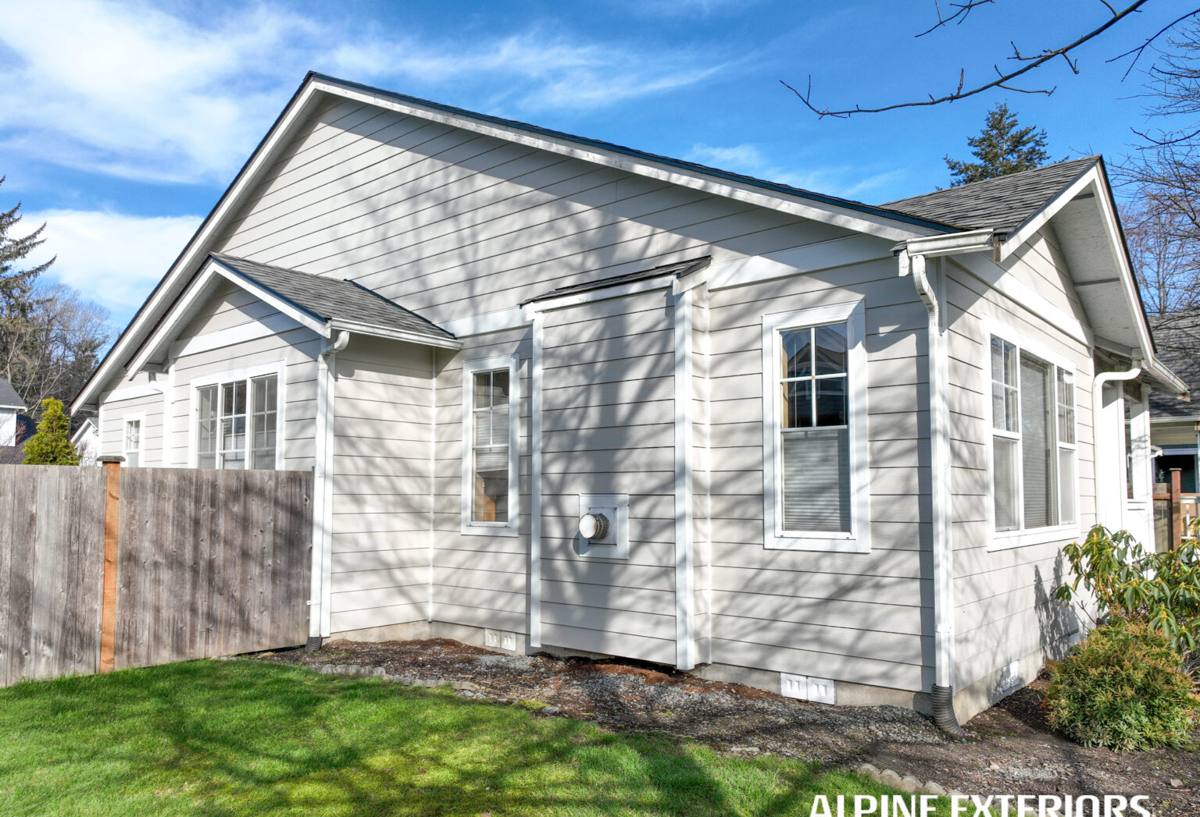
What Local Weather Does to a Roof
Every roof repair we do in this area starts with understanding what put the damage there in the first place. In Pinellas County, it's usually one of four things, often working together.
Hurricane-Force Wind
Wind doesn't just rip shingles off in a dramatic storm event — it works on a roof gradually, too. Repeated wind-loading over years loosens fastener grip, lifts shingle tabs at the edges, and stresses ridge caps and hip lines long before a named storm ever arrives. When a real wind event does hit, a roof with already-loosened fasteners or aging sealant fails faster than one that's been properly maintained.
Wind-Driven Rain
Straight-down rain is rarely the problem. Wind-driven rain gets pushed sideways and upward under shingle edges, around vent boots, and behind flashing that's just slightly separated from the deck. This is why so many "mystery leaks" in this area trace back to flashing and penetration points rather than the field of the roof itself.
Year-Round UV Exposure
Florida doesn't give roofing materials an off-season. Asphalt shingles lose their granules and their oils over time from constant UV exposure, which makes them brittle and prone to cracking. Sealant strips that are supposed to bond shingles together can bake out faster here than the manufacturer's warranty numbers assume, since those numbers are often based on a national average climate, not a Gulf Coast one.
Salt Air Corrosion
Being close enough to Tampa Bay and the Gulf means metal components take a beating — nail heads, flashing, vent stacks, and drip edge all corrode faster than they would further inland. Corroded fasteners lose their grip strength, and corroded flashing develops pinholes that let water in long before it looks obviously "broken" from the ground.
Signs a Countryside-Area Home Needs Roof Repair
Most roof problems here don't announce themselves with an obvious hole. They show up as small signals that are easy to miss until they've caused real damage.
- Water stains on interior ceilings or upper walls, especially after a windy rain rather than a calm one
- Granules collecting in gutters or at downspout outlets
- Shingles that look curled, cracked, or lifted at the edges
- Visible gaps or rust at flashing around chimneys, skylights, and roof-to-wall transitions
- Soft or spongy spots when walking the roof deck (a sign of underlying wood damage)
- Missing or damaged ridge cap shingles after a storm
- Daylight visible through the attic decking
- A musty smell or visible mold in the attic space
What a Correct Roof Repair Actually Involves
Diagnosing the Cause, Not Just Patching the Symptom
The biggest difference between a repair that lasts and one that fails again in a year is diagnosis. A stain on a ceiling might be twelve feet from where the water is actually getting in — wind-driven rain can travel along the underside of the deck before it finds a gap to drip through. We trace leaks back to their actual entry point, which usually means checking flashing, penetrations, and valleys before assuming the field shingles are at fault.
Matching Materials, Not Just Colors
A repair patch needs to match the existing roof in more than just color. Shingle profile, granule type, and age all affect how a patch performs. A brand-new shingle woven into a ten-year-old roof section can actually create a new failure point if it's not tied in correctly, since it flexes and seals differently than the surrounding material. We work with what's already on the roof and tie repairs in properly rather than just overlaying material on top.
Fixing the Underlying Deck, Not Just the Surface
If water has been getting into a section long enough, the plywood decking underneath can be soft or delaminated. Covering over damaged decking with new shingles hides the problem instead of fixing it — the deck needs to be sound before anything goes back on top of it.
Our Repair Process
- Inspection. We walk the roof and the attic when possible, checking flashing, vents, valleys, and the general condition of the field, not just the area near the reported leak.
- Diagnosis. We identify the actual entry point and explain what we found in plain terms, including photos of the specific issue.
- Written scope and estimate. Before any work starts, you get a clear description of what's being repaired and why, with pricing that isn't a vague allowance.
- Repair. Damaged shingles, flashing, or decking are removed and replaced or repaired, with proper underlayment and sealant at every penetration point.
- Cleanup and final check. We clear debris and do a final walk to confirm the fix addresses the original complaint.
Repair vs. Replacement: How to Think About It
Not every roof problem needs a full replacement, but not every roof should keep being patched, either. Here are the factors that typically drive that decision.
| Factor | Favors Repair | Favors Replacement |
|---|---|---|
| Roof age | Under roughly 12-15 years | Near or past its material's expected lifespan |
| Damage location | Isolated to one section, flashing, or a few shingles | Spread across multiple roof planes |
| Deck condition | Solid, no soft spots | Multiple areas of soft or delaminated decking |
| Granule loss | Minor, localized | Widespread, shingles look uniformly worn |
| Repair history | First or second repair on this roof | Repeated repairs to the same or nearby areas |
| Insurance/storm claim | Damage clearly limited and documented | Adjuster or inspector notes broader wind or hail impact |
Broad cost ranges depend heavily on the size of the damaged area, the roofing material involved, and whether deck repair is needed underneath — we won't quote a number until we've actually seen the roof, but we'll always tell you honestly if repair isn't the right call and replacement would serve you better.
Why a Crew Familiar With This Area Matters
Roof repair isn't uniform across Florida, let alone across the country. A crew that already works in and around Oldsmar and Pinellas County knows what local wind exposure and salt air do to different roofing materials, understands the flashing details that tend to fail first in this climate, and isn't guessing at how a repair will hold up under a Gulf Coast summer. That familiarity shows up in the details — the type of sealant used, how flashing is lapped, and which penetration points get extra attention because we've seen them fail elsewhere in the same conditions.
It also matters for timing. Storm season here means demand spikes right when everyone needs a roof looked at, and a local crew that already knows the area can move faster and more efficiently than one working from out of town.
Maintenance Between Repairs
A single repair extends a roof's life, but a few habits stretch that further and can catch the next problem before it becomes a leak.
- Have the roof visually inspected after any significant wind event, not just when a leak shows up
- Keep gutters and downspouts clear so water doesn't back up under the drip edge
- Trim back overhanging branches that drop debris or scrape shingles in wind
- Check the attic periodically for staining, daylight, or musty odor, especially after heavy rain
- Don't ignore small granule loss in gutters — it's a sign shingles are aging, not a cosmetic detail
Getting an Honest Look at Your Roof
If you're dealing with a stain on the ceiling, a section of shingles that looks off, or damage from a recent storm, the right first step is an honest inspection — not a sales pitch for a full replacement you may not need. We'll tell you plainly what we find, what it will take to fix it correctly, and what it will cost. If your roof genuinely needs more than a repair, we'll say so, but we won't push replacement when a proper repair will do the job.
Use the form below to request a free, no-pressure estimate, and we'll take a look at what's actually going on with your roof.