 Oldsmar Siding
 Roofing a Home in the Countryside Area of Oldsmar
Countryside is a well-established residential community in the Oldsmar area of Pinellas County, and like most neighborhoods in this part of Florida, it's a mix of roofs at different stages of life — some original to the home, some replaced after a storm, some patched one too many times. When a roof in this area is ready for full replacement, the job isn't just about swapping old shingles for new ones. It's about putting a roofing system on the house that's built for what this specific part of the state throws at it, year after year.
Pinellas County sits on a peninsula, which means every home here deals with a combination of stressors that inland roofs never see: sustained coastal humidity, salt-laden air, intense UV exposure nearly every day of the year, and the real possibility of hurricane-force winds during storm season. A roof installed without those factors in mind might look fine on install day and still fail early — through granule loss, seal breakdown, or wind uplift at the edges and corners.
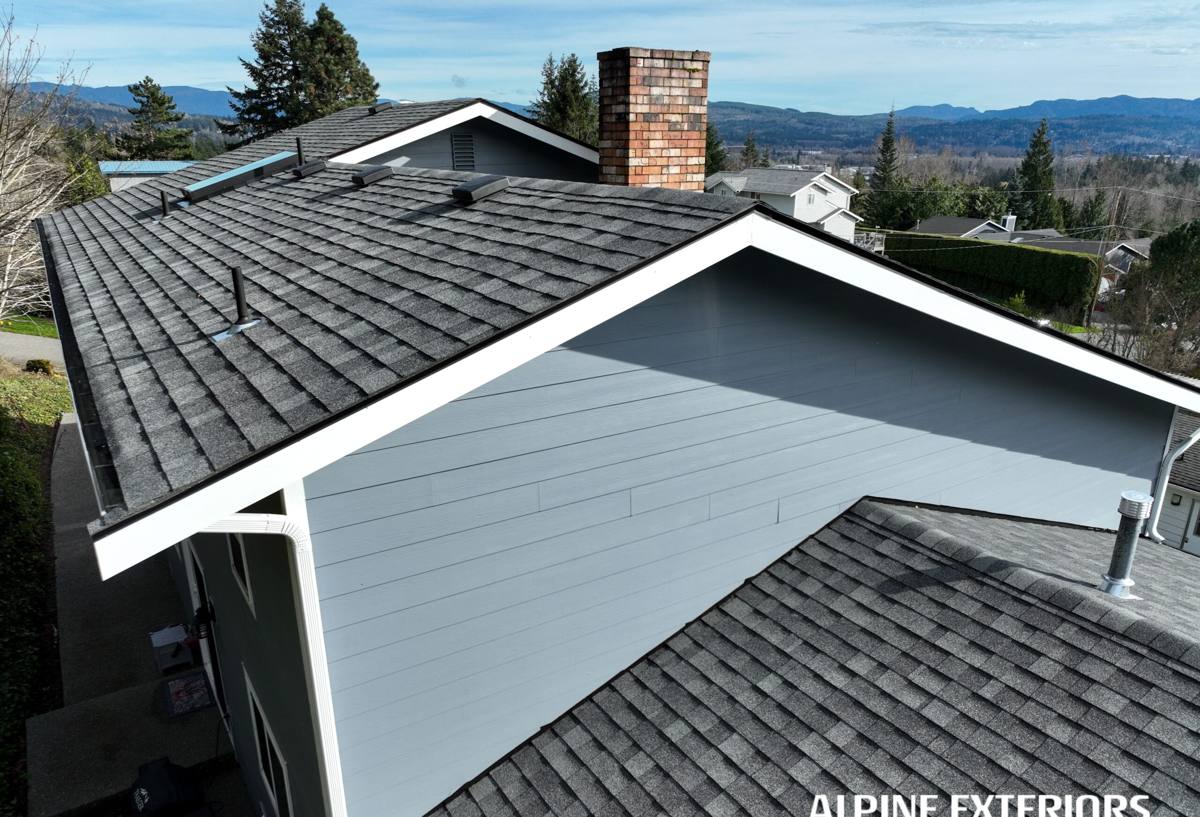
What Countryside Homes Need From a New Roof
Most homes in this neighborhood were built during a period when roofing codes and materials were different from what's available and required today. A full replacement is a chance to correct outdated details, not just repeat them. Here's what we focus on for homes in this area specifically.
Wind Resistance at the Edges
Wind rarely rips a roof off in the middle of a field of shingles. It starts at the edges — the drip edge, the rakes, the ridge — where uplift pressure is highest. On every installation we tie the starter course, drip edge, and shingle fastening pattern together so the perimeter of the roof is the strongest part of it, not the weakest.
UV and Heat Durability
Florida sun degrades roofing materials faster than almost anywhere else in the country. Asphalt shingles lose granules and become brittle under years of direct UV exposure, and dark, cheaply made underlayments can degrade before the shingles above them even show wear. We use materials rated for sustained heat and UV exposure, not just a mid-grade product priced for a milder climate.
Moisture and Salt Air Management
Being close enough to the coast to catch salt-laden air means metal components — flashing, vents, fasteners — need to be corrosion-resistant, not just galvanized. We also pay close attention to attic ventilation, since trapped humidity under the deck is one of the most common causes of early roof failure in this climate, showing up as deck rot or delamination long before the shingles themselves wear out.
What a Correct New Roof Installation Actually Involves
"New roof" gets used loosely. A correct installation is a sequence of steps, and skipping or rushing any one of them is where most premature roof failures start.
- Tear-off and deck inspection. Every layer of old roofing comes off down to the deck. This is the only point in the process where we can actually see the condition of the plywood or OSB underneath — soft spots, old water staining, or rot get found and replaced here.
- Deck repair. Any damaged sheathing gets replaced before anything new goes down. Installing new roofing over a compromised deck just hides a problem that will resurface.
- Underlayment. A synthetic or self-adhering underlayment goes down as the roof's secondary water barrier — the layer that protects the home if wind-driven rain ever gets past the shingles.
- Flashing. New metal flashing at valleys, walls, chimneys, and any roof penetration. Flashing failure is one of the most common sources of roof leaks, and it's almost always cheaper to do right the first time than to chase later.
- Starter strips and drip edge. These set the wind resistance of the entire perimeter, as noted above.
- Field shingles or roofing material. Installed to manufacturer spec and local wind-rated fastening patterns — not just "enough nails to hold it down."
- Ridge and ventilation. Proper attic ventilation is installed or corrected as part of the job, not treated as an afterthought.
- Final inspection and cleanup. Magnetic sweep for nails, full site cleanup, and a walk-through of the finished roof.
Choosing the Right Roofing Material for This Climate
There's no single "best" roofing material — the right choice depends on budget, the home's structure, and how long the owner plans to stay in the house. We walk homeowners through the honest trade-offs rather than pushing whatever's easiest to install.
| Material | Typical Lifespan | Wind/Storm Performance | Maintenance |
|---|---|---|---|
| Architectural asphalt shingles | 20-30 years | Good, with proper wind-rated installation | Low; periodic inspection |
| Standing seam metal | 40-50+ years | Excellent uplift resistance when properly fastened | Very low |
| Tile (concrete or clay) | 40-50+ years | Strong when installed and fastened correctly; individual tiles can crack from impact | Moderate; occasional tile replacement |
| 3-tab asphalt shingles | 15-20 years | Lower wind rating than architectural shingles | Low, but shorter service life |
For most homes in this neighborhood, architectural shingles remain the most common choice because they balance upfront cost, wind performance, and lifespan well. Metal and tile cost more initially but can make sense for homeowners planning to stay long-term or wanting to minimize future roofing work altogether.
Signs a Countryside Roof Is Due for Replacement, Not Another Repair
Not every roofing issue means a full tear-off. But there's a point where repeated patching stops making financial sense. Signs it's time to talk replacement rather than repair include:
- Shingles that are curling, cupping, or losing granules across large areas of the roof, not just one spot
- Multiple past repairs in different areas of the roof rather than one isolated issue
- Visible sagging anywhere in the roofline, which can indicate deck or structural issues
- Daylight visible through the attic decking or consistent staining on interior ceilings
- A roof approaching or past the upper end of its material's expected lifespan, especially heading into another storm season
- Rising insurance premiums or difficulty getting coverage due to roof age
Permitting, Codes, and Insurance in Pinellas County
A full roof replacement in this area requires a permit, and the work has to meet current Florida Building Code wind-uplift and fastening requirements — which are more demanding than the codes many of these homes were originally built under. This isn't just paperwork. Proper permitting means the finished roof is inspected against current standards, which matters both for safety and for insurance purposes. Many insurers in Pinellas County now ask for documentation of a code-compliant roof, and some offer premium credits for wind-mitigation features like updated fastening patterns and secondary water barriers. We handle the permitting and inspection process as part of the job so homeowners aren't left to navigate it alone.
Our Process for a Countryside Roof Replacement
Every roof replacement we do follows the same general path, adjusted for the specifics of the home:
- On-site evaluation. We inspect the current roof, attic, and ventilation, and talk through material options based on the home's age, structure, and the homeowner's plans for the property.
- Written estimate. A clear, itemized scope of work and material selection — no vague line items.
- Permitting. We pull the necessary permit before work begins.
- Scheduling around weather. Florida's rain patterns mean timing matters; we plan installation windows to minimize the roof being open to the elements.
- Installation. Full tear-off through final shingle or material installation, following the sequence outlined above.
- Final walk-through and inspection sign-off. The homeowner sees the finished roof and we make sure the permit inspection is closed out.
Why Local Experience in This Area Matters
A roofing crew that regularly works in and around Oldsmar and greater Pinellas County isn't guessing at what these homes need — they've seen how roofs in this specific climate age, which details tend to fail first, and what the local permitting office actually expects on an inspection. That familiarity shows up in small but real ways: knowing which flashing details hold up against wind-driven rain here, understanding how salt air affects fastener choice, and being able to move quickly when a roof needs attention before a storm rolls in. It also means being reachable after the job is done, not just during the sale.
What to Expect on Cost
Roofing costs vary based on the size and pitch of the roof, the material chosen, the condition of the existing deck, and how much tear-off and disposal is involved. Rather than quote a number that won't reflect your actual home, we provide a detailed, itemized estimate after seeing the roof in person, so you know exactly what you're paying for and why.
If your roof in the Countryside area of Oldsmar is showing its age or you're planning ahead of the next storm season, we're happy to come take a look. Reach out for a free, no-pressure estimate using the form below — there's no obligation, just an honest assessment of what your roof actually needs.