 Oldsmar Siding
 Board & Batten Siding in Palm Harbor: A Look That Has to Earn Its Keep
Board and batten has become one of the most requested exterior looks for homes in and around Palm Harbor — the clean vertical lines read as modern farmhouse, coastal, or craftsman depending on the trim and color choices around it. But on the west side of Pinellas County, that look has to survive a lot more than it does in a magazine photo. Homes here take hurricane-force wind gusts, sustained wind-driven rain, near-constant UV exposure, and salt-laden air moving in off the Gulf. A board and batten wall that isn't detailed correctly for this climate will show it early — through cupping panels, streaking at the battens, or moisture creeping in behind the trim long before the rest of the house shows its age.
This page is about doing board and batten the right way for Palm Harbor specifically — the product system we use, what correct installation actually involves, and why the crew doing the work matters as much as the material itself.
What Board & Batten Siding Actually Is
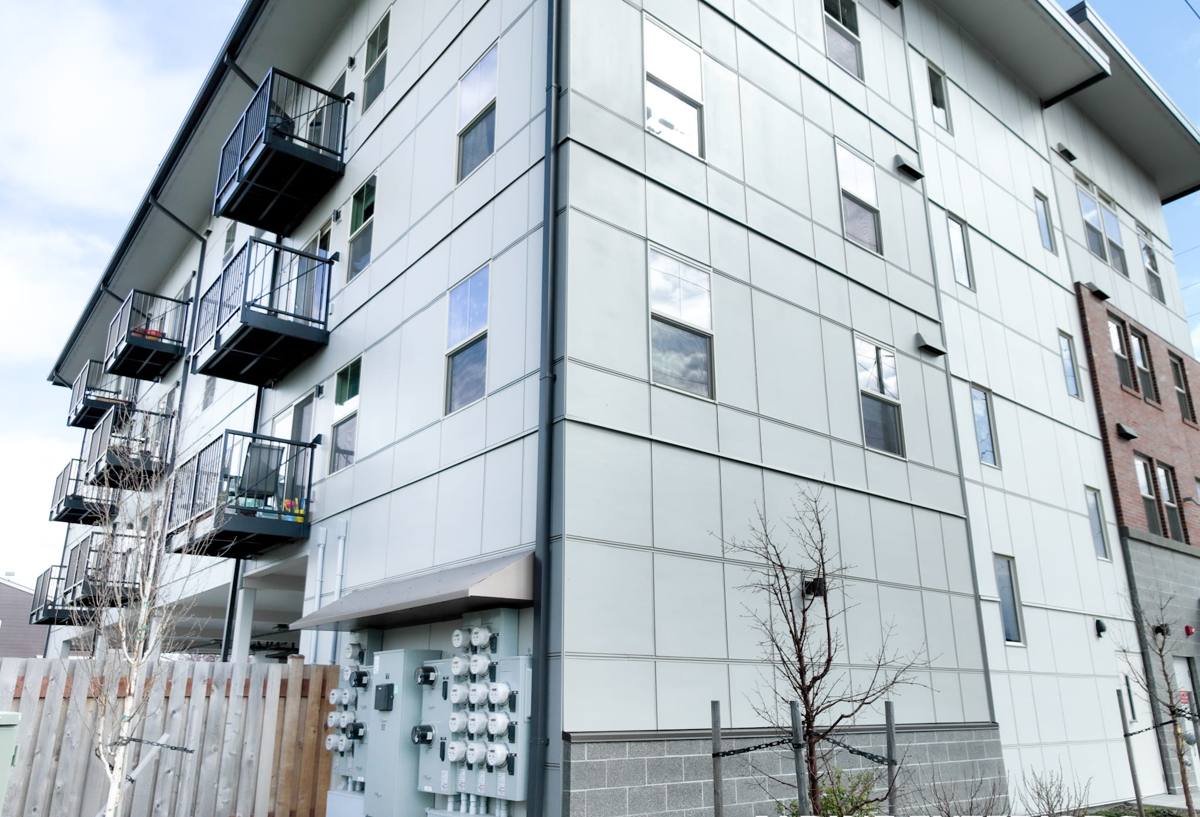
Traditional board and batten is a two-layer system: wide vertical boards installed first, then narrower strips (battens) fastened over the seams between them. The batten covers the joint, sheds water down and away from the seam, and gives the wall its signature rhythm of shadow lines. It's a different water-management logic than horizontal lap siding, which relies on overlap and gravity to shed rain. Vertical siding has to rely on the seam detail itself — which is exactly why the batten placement, fastening, and flashing behind it matter so much more here than they would on a lap job.
Some board and batten systems used elsewhere in the industry are a single embossed panel made to look like separate boards and battens, with no actual layered seam. That's a legitimate lower-cost approach in mild climates, but it changes how the wall handles water at the joints — worth understanding before you assume all "board and batten" is built the same way underneath.
Why the Distinction Matters Here
In a dry inland climate, the difference between a true layered system and an embossed panel is mostly cosmetic. In Palm Harbor, where wind-driven rain gets pushed sideways into walls during storm season and salt air accelerates corrosion on anything metal, the seam detail is a functional part of the wall, not just a style choice. We build board and batten as a true system — vertical panels with separate battens over the joints, fastened and flashed to shed water the way the design intends.
The Climate Load Palm Harbor Siding Actually Carries
Pinellas County's exterior building products deal with a combination that few other regions face all at once:
- Hurricane-force wind: repeated seasonal exposure to high sustained winds and gusts that test every fastener and seam on a vertical wall system.
- Wind-driven rain: storms here don't just fall straight down — rain gets driven horizontally into vertical seams and around trim, which is where a poorly detailed board and batten job fails first.
- Intense, year-round UV: Florida sun breaks down unstable paints and coatings faster than almost anywhere in the continental U.S., leading to fading, chalking, and premature repainting.
- Salt air: proximity to the Gulf means airborne salt that accelerates corrosion of fasteners, trim, and any siding material that isn't dimensionally stable.
Any one of these is manageable on its own. All four, together, year after year, is what separates a siding job that looks good for a season from one that holds up for decades.
Why We Install Only James Hardie for Board & Batten
We standardized on James Hardie fiber cement for every siding job we do, board and batten included, and we don't install vinyl, LP SmartSide, or other engineered wood or fiber cement alternatives. That's not a marketing position — it's a practical one, built around what actually holds up in this specific climate.
Fiber cement is non-combustible and dimensionally stable, meaning it doesn't expand, contract, or warp with Florida's heat and humidity swings the way wood-based products can. James Hardie's HZ5 product line is engineered specifically for high-humidity, moisture-prone climates like ours, and their ColorPlus factory-applied finish is baked on under controlled conditions rather than field-painted — which matters enormously under Pinellas County's UV load, since factory finishes resist fading and chalking far longer than a site-applied coat. It also carries a stronger, better-documented finish warranty than most field-painted alternatives.
For board and batten specifically, we use James Hardie's vertical siding panels with matching batten strips, engineered as a system rather than mixed-and-matched from different manufacturers. That consistency in material behavior — expansion rate, moisture response, fastener holding — is part of what keeps the seams tight over time.
What We're Saying No To, and Why
Vinyl board and batten is lightweight and inexpensive, but it's also more vulnerable to distortion in high heat and can crack or become brittle from repeated storm impact and long-term UV exposure — and it's rarely the first choice for homeowners investing in the board and batten look, since the profile often reads as visibly synthetic. LP SmartSide and other engineered wood products perform well in many climates, but they rely on factory sealing at every cut edge and joint staying intact indefinitely; any breach in that seal, in a climate this humid, opens the door to moisture problems that are expensive to catch early. We'd rather build the wall once, correctly, with a material engineered for exactly these conditions.
| Wall System | Water Path at Seams | UV/Fade Resistance | Best Fit |
|---|---|---|---|
| True layered board & batten (Hardie) | Batten sheds water off the seam by design | Factory ColorPlus finish, high | Coastal/high-wind climates like Pinellas County |
| Embossed single-panel "board and batten" | No true seam; relies on panel surface only | Varies by coating | Milder, drier climates |
| Standard horizontal lap siding | Overlap sheds water by gravity | Varies by material | General use, less dramatic vertical look |
What a Correct Board & Batten Installation Involves
The visual appeal of board and batten hides how detail-sensitive it is to install correctly. Most of the failures we get called out to repair on other contractors' work trace back to shortcuts in a handful of specific steps.
- Proper moisture barrier and drainage plane behind the panels, not just house wrap stapled up and covered
- Correct fastener type, spacing, and penetration depth per James Hardie's published installation specs — not "whatever was on the truck"
- Battens fastened to actually cover and protect the seam, not just decoratively placed near it
- Flashing integrated at every window, door, and roofline intersection where water naturally concentrates
- Factory-cut edges and any field cuts sealed per manufacturer spec before they're covered
- Correct clearance between the bottom of the siding and grade, roofing, decks, or patios to avoid wicking moisture
- Expansion gaps sized correctly at joints so the material can move without cracking the finish
Skip any one of these, and the wall can still look right on installation day. The problems show up eighteen months to five years later, usually as staining, soft spots, or paint failure right at the seams — which is exactly where wind-driven rain concentrates on a Pinellas County wall during storm season.
Our Process, Start to Finish
- On-site assessment: we look at your existing wall assembly, moisture barrier condition, trim details, and any problem areas before quoting anything.
- Design and layout: board width, batten spacing, and corner/trim details are planned to fit your home's proportions, not just applied generically.
- Tear-off and prep: old siding removed, sheathing inspected and repaired as needed, drainage plane installed correctly.
- Installation to manufacturer spec: panels, battens, fasteners, and flashing installed per James Hardie's published details for our wind and moisture exposure.
- Final inspection: seams, clearances, and trim checked before we consider the job finished.
Why Hiring a Crew That Already Works Palm Harbor Matters
Board and batten installation isn't uniform across the country, and a crew that mostly works drier, calmer climates can get away with habits that don't hold up here. A contractor who regularly works Palm Harbor and the surrounding Oldsmar area already knows which corners of a house catch the worst wind-driven rain, how storm exposure varies by lot and tree cover, and where salt air does the most damage to fasteners and trim over time. That local pattern recognition shows up in small decisions — extra flashing at a vulnerable corner, tighter fastener spacing on a wind-exposed gable — that a generic installation crew has no reason to make.
It also matters for accountability after the fact. A local crew is easy to reach if a question comes up two or three storm seasons later, and they have a direct incentive to get the detailing right the first time, since they're the ones who'll hear about it if they didn't.
Is Board & Batten the Right Call for Your Home?
Board and batten works best as either a full-home application or a deliberate accent — gables, dormers, porch fronts — paired with lap siding elsewhere. Either approach can be done correctly in James Hardie's system; the decision usually comes down to the look you want and your home's architecture rather than any performance difference, since both are engineered to the same climate-rated standard when installed to spec.
If you're weighing board and batten against a different siding style for your Palm Harbor home, that's a conversation worth having before any material gets ordered — the right layout and trim plan is easier to lock in on paper than to fix after installation.
If you're considering board and batten siding for a home in Palm Harbor or elsewhere in the Oldsmar area, we're happy to walk the property, talk through layout and product options, and give you a straightforward, no-pressure estimate — just use the form below to get started.