 Oldsmar Siding
 Windows Built for What Westchase Actually Deals With
Westchase sits inland from the coast but still gets the full weather package that comes with living in Pinellas County: long stretches of intense sun, sudden afternoon storms that drive rain sideways into window frames, and tropical-system winds that test every seal and fastener a window has. Add in the salt-tinged air that moves through this whole stretch of the Tampa Bay area, and you have a climate that is genuinely hard on windows — especially older aluminum-frame single-pane units that were never designed for this kind of exposure.
When we replace windows in Westchase, we're not just swapping glass for the sake of a fresher look. We're addressing three things at once: comfort (keeping conditioned air in and heat out), protection (keeping wind-driven rain and storm pressure out), and cost (lowering the load on an HVAC system that's already working overtime for most of the year).
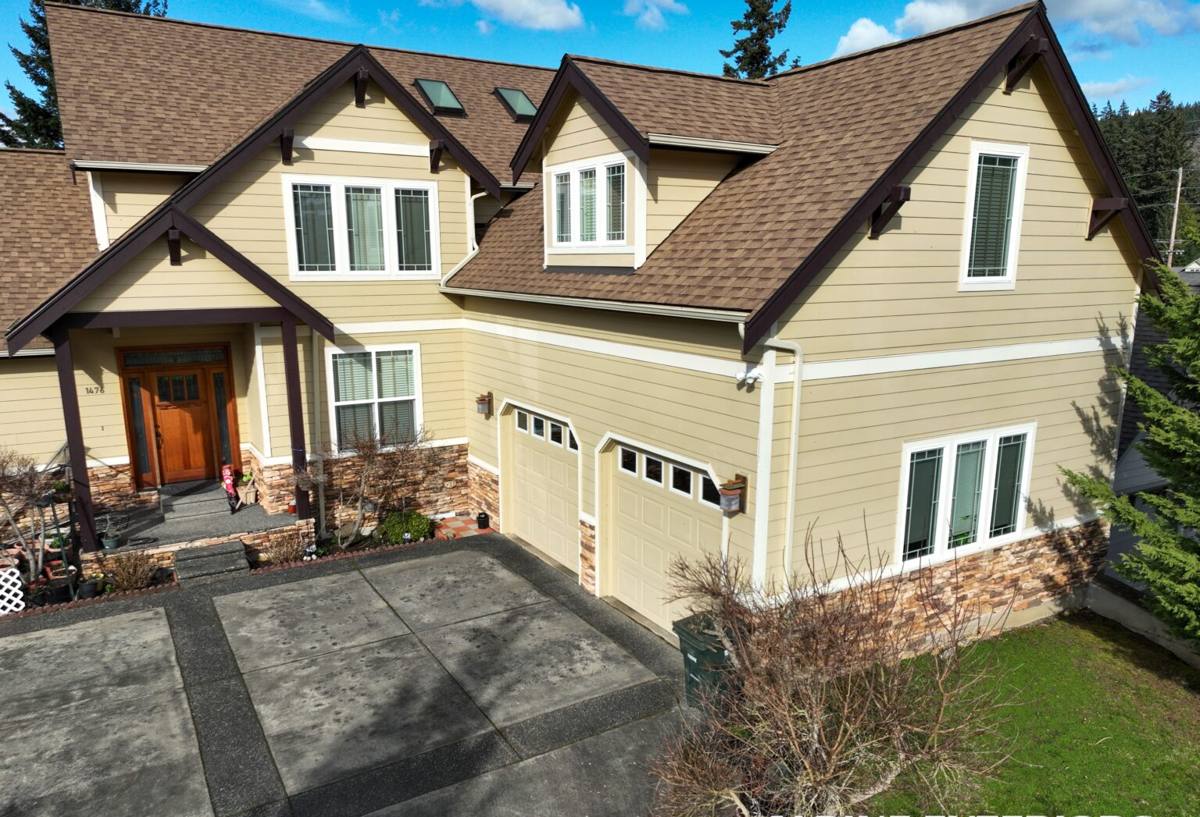
What "Energy-Efficient" Actually Means in a Florida Window
The term gets used loosely, so it's worth being specific about what actually matters for a house in this part of Florida.
Low-E Glass and Gas Fills
Low-emissivity (Low-E) coatings are a microscopically thin metallic layer applied to the glass that reflects infrared heat back outside while still letting visible light through. In a hot climate, that matters more than in a cold one — most of your battle here is keeping solar heat gain out, not keeping heat in. Insulated double-pane units with an argon or krypton gas fill between the panes add another layer of thermal resistance beyond what the glass alone provides.
Frame Material and Thermal Break
The frame is often the weak point on older windows. Solid aluminum frames conduct heat efficiently, which is the opposite of what you want — they get hot to the touch and transfer that heat straight into the room. Vinyl and fiberglass frames, or aluminum frames with a thermal break built in, interrupt that conductive path.
Air and Water Infiltration Ratings
Every window sold in Florida carries NFRC ratings for U-factor (heat transfer) and Solar Heat Gain Coefficient (SHGC), plus air infiltration and water penetration ratings tested under Florida Building Code protocols. For Westchase, where wind-driven rain is a regular occurrence during storm season, the water infiltration rating is just as important as the energy numbers — a window can be efficient and still leak if it isn't rated and installed correctly for the wind zone.
Signs Your Windows Are Costing You More Than They Should
Most homeowners don't think about window performance until something forces the issue. Here's what we typically see when we're called out to a Westchase home for an estimate:
- Rooms near west- or south-facing windows that run noticeably hotter in the afternoon
- Condensation or fogging between panes on older double-pane units — a sign the seal has failed
- Aluminum frames that feel hot to the touch during summer afternoons
- Visible daylight or a draft felt around the frame when the AC is running
- Difficulty opening, closing, or locking windows — often a sign the frame has shifted or warped
- Water staining on interior sills or drywall below windows after heavy rain
- A noticeable jump in cooling costs compared to similar homes nearby
Any one of these is worth a look. Several together usually mean the windows are past the point where caulk and weatherstripping will fix the problem.
Frame Material Comparison
We install a range of window products, and the right choice depends on budget, the home's architectural style, and how much of the exterior wall is glass. Here's a general comparison of the frame materials most commonly used in this market:
| Frame Material | Energy Performance | Maintenance | Typical Fit |
|---|---|---|---|
| Vinyl | Good insulator, low conductivity | Low — no painting, won't rust | Most common, budget to mid-range |
| Aluminum (thermal break) | Moderate to good with break installed | Low, but frame heats up without break | Narrow sightlines, modern homes |
| Fiberglass | Excellent, low expansion/contraction | Low, holds paint well if desired | Higher-end, long-term durability |
| Wood-clad | Good insulator | Higher — cladding needs periodic upkeep | Traditional or historic-style homes |
For most Westchase homes, we steer clients toward vinyl or fiberglass because they hold up well against Florida's UV exposure and humidity swings without the upkeep that wood or bare aluminum demands. We're upfront when a product isn't a good fit for this climate — for example, we're cautious about frame types with poor long-term moisture behavior in high-humidity coastal air, not because a brand is "bad," but because some designs need more maintenance vigilance than a busy homeowner wants to sign up for.
Impact-Rated vs. Standard: What Pinellas County Wind Zones Require
Pinellas County falls within Florida's High-Velocity Hurricane Zone requirements for parts of the coast, and even inland communities like Westchase are subject to wind-load and impact standards under the Florida Building Code. Depending on your home's specific wind zone and whether you have existing shutter protection, you may have a choice between:
- Impact-rated windows — laminated glass and reinforced frames that meet large-missile impact testing, eliminating the need for separate storm shutters
- Standard energy-efficient windows paired with code-compliant shutter protection — often a lower upfront cost, but requires shutters to be deployed before a storm
We'll walk through which path applies to your specific property and what the permitting process requires before any order is placed — this isn't something to guess on, since it affects both your permit approval and your insurance documentation.
Our Installation Process
1. On-Site Assessment
We start by looking at existing window condition, frame material, orientation (which walls take the most sun and wind-driven rain), and any signs of water intrusion or structural movement around openings.
2. Precise Measurement
Replacement windows are measured to the actual opening, not the nominal size — older Westchase homes especially can have openings that have shifted slightly over the decades, and a sloppy measurement is one of the most common causes of a leaky window.
3. Removal and Opening Prep
Old units are removed carefully to avoid damaging the surrounding stucco or framing. We check the opening for rot, corrosion, or water damage before anything new goes in — installing a new window into a compromised opening just hides a bigger problem.
4. Flashing and Sealing
This is the step that determines whether a window actually performs in wind-driven rain. Proper flashing tape, backer rod, and a compatible sealant system around the full perimeter matter more to long-term water-tightness than the window brand itself.
5. Final Fit, Operation Check, and Cleanup
Every window is checked for square, smooth operation, and a secure lock before we consider the job done, and we clean up the work area before we leave.
What Affects Your Project's Cost
Every home is different, but these are the main factors that move the price of a window project up or down:
| Factor | Why It Matters |
|---|---|
| Impact-rated vs. standard glass | Impact-rated units cost more upfront but remove the need for separate storm protection |
| Number and size of openings | Larger or custom-sized openings require more material and labor |
| Frame material | Vinyl is typically the most budget-friendly; fiberglass and wood-clad cost more |
| Condition of existing openings | Rot or water damage found during removal adds repair work before installation |
| Permit and inspection requirements | Pinellas County permitting adds time and a fee but is required for compliant work |
We give a straightforward, itemized estimate before any work begins so there aren't surprises once the project is underway.
Why It Matters That We Already Work in Westchase
Window replacement in this part of Florida isn't a one-size-fits-all job. A crew that regularly works Westchase and the surrounding Oldsmar area already understands the local permitting process with Pinellas County, knows what wind zone requirements typically apply to homes in this area, and has a feel for how this specific climate — the sun angle, the storm patterns, the salt air drifting in from the Bay — actually wears on a window over time. That local familiarity shows up in fewer surprises during permitting, a measurement and install process that accounts for what these homes actually need, and a finished job that's sealed correctly the first time.
Get a Straightforward Estimate
If your windows are past their prime, running your AC bill up, or just weren't built for what this climate throws at them, we're happy to take a look. Fill out the form below to request a free, no-pressure estimate for your Westchase home — we'll assess what you actually need and give you honest options, not a sales pitch.