 Oldsmar Siding
 Siding Built for the Tampa Area's Climate, Not Just Its Curb Appeal
Homes in the Tampa area near Oldsmar face a tougher exterior environment than most of the country ever has to think about. Pinellas County sits on a peninsula, which means Gulf-driven salt air reaches homes that are miles inland, not just the ones along the water. Add in hurricane-force wind events, wind-driven rain that gets forced sideways into wall assemblies, and some of the most intense year-round UV exposure in the continental United States, and it becomes clear why siding that performs well in Ohio or Oregon can fail here in a fraction of the time.
This page is about one thing specifically: installing James Hardie fiber cement siding correctly on Tampa-area homes. We don't install vinyl, LP SmartSide, or other fiber cement alternatives. We install James Hardie, and we install it the way this climate demands — with the right product line, the right prep, and the right fastening and flashing details for a coastal, hurricane-exposed part of Florida.
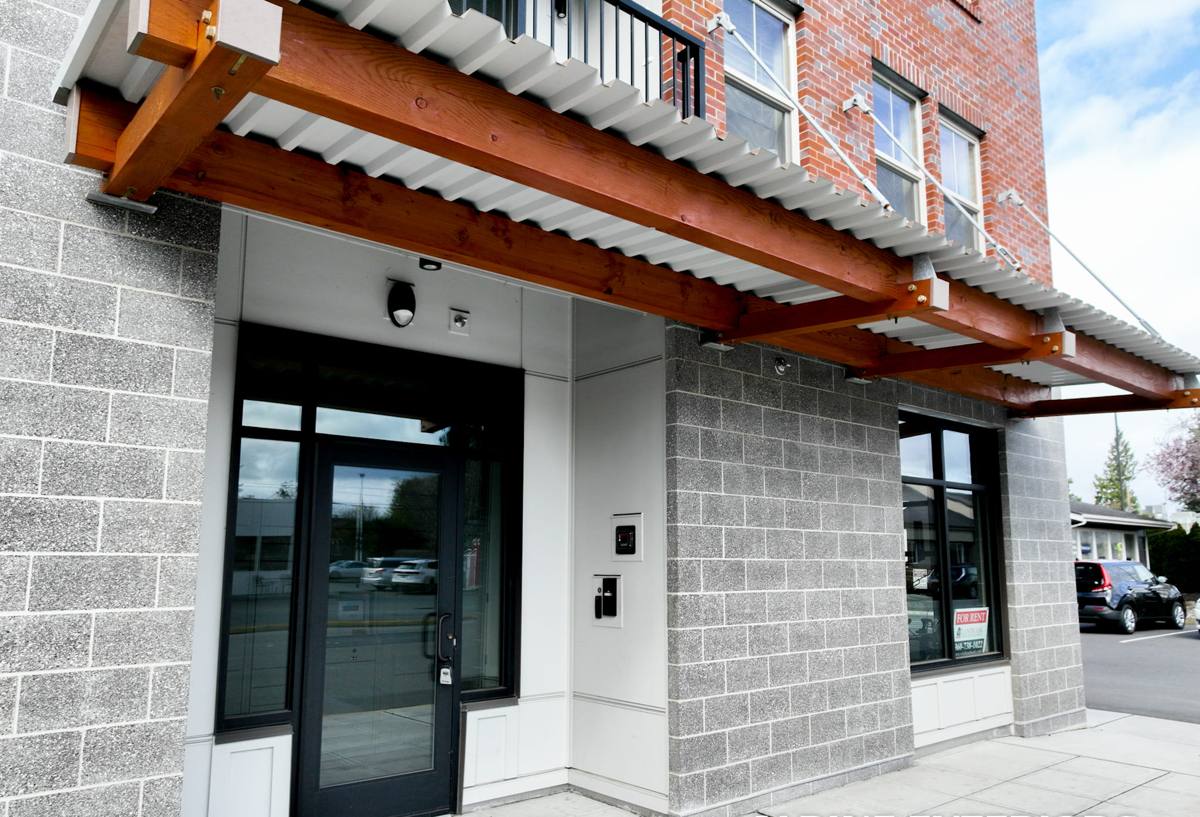
What Local Conditions Actually Do to Exterior Siding
Salt Air and Corrosion
Airborne salt doesn't stay at the beach. It travels with the wind and settles on everything, including siding, trim, and — critically — the fasteners and metal flashing behind the siding. Over years, that salt exposure accelerates corrosion in anything not rated for it. Cheap or mismatched fasteners are one of the most common hidden failure points we find on older siding jobs in this area.
UV Degradation
Florida's UV index runs high nearly every month of the year. Siding materials with painted or coated surfaces that aren't engineered for this level of sun exposure tend to fade unevenly, chalk, or become brittle faster than the same product would in a milder climate. A south- or west-facing wall in Oldsmar takes a beating that a north-facing wall in the same house never sees.
Wind-Driven Rain
Tropical systems and summer storms don't just bring rain straight down — they push it sideways, under laps, around trim, and into any gap in the water-resistive barrier. Siding that isn't installed with the right overlaps, clearances, and flashing details will let moisture in eventually, no matter how good the material itself is.
Wind Load
Pinellas County building code reflects the real risk of hurricane-force wind events. Siding has to be fastened to hold up under sustained uplift and impact, not just look good on a calm day.
Why We Standardized on James Hardie for This Market
We made a deliberate decision to install only James Hardie fiber cement siding, and the reasoning comes directly from what we see happen to homes in this climate over time. James Hardie manufactures a version of its siding — the HZ5 product line — specifically engineered for high-humidity, hurricane-exposed regions like ours. That's not a marketing distinction; it affects the moisture resistance and durability of the board itself.
Fiber cement is also non-combustible, which matters in a state where wildfire risk and lightning-driven fire events are a real, if less-discussed, concern. And James Hardie's ColorPlus factory-applied finish is baked and cured under controlled conditions, which gives it a meaningfully different UV and fade resistance profile than field-applied paint on other siding products. When a product has to survive salt air, UV, wind-driven rain, and hurricane wind loads all at once, we've found the margin for error with lesser materials is too thin for us to install with confidence.
The HZ5 Line and Why the "Zone" Rating Matters
James Hardie engineers its siding differently depending on the climate zone it's sold into. HZ5 is the formulation built for humid, coastal, storm-exposed regions — which describes the Tampa Bay area precisely. Installing the correct zone product isn't optional from our perspective; it's the difference between siding that's actually engineered for Pinellas County conditions and siding that merely looks the same on a shelf.
| Factor | Why It Matters Here |
|---|---|
| Moisture resistance | Formulated to resist the swelling, cracking, and rot risk that come with year-round humidity and wind-driven rain |
| Factory ColorPlus finish | Cured finish holds color and resists chalking better than field-applied paint under intense Gulf coast UV |
| Non-combustible core | Fiber cement doesn't feed a fire the way some other siding materials can |
| Warranty structure | Manufacturer-backed and transferable, which matters for resale in a market where buyers ask about siding age and condition |
What a Correct Installation Actually Involves
The product is only half the equation. A large share of the siding failures we get called out to inspect on Tampa-area homes trace back to installation shortcuts, not the material itself. A correct James Hardie installation in this climate includes:
- A properly installed water-resistive barrier with correctly lapped and taped seams, since any gap becomes an entry point under wind-driven rain
- Corrosion-resistant fasteners rated for coastal exposure, driven at the manufacturer's specified pattern and depth — not just "close enough"
- Correct clearances between the bottom of the siding and grade, roofing, decks, and patios so water has somewhere to go instead of wicking into the board
- Properly flashed and sealed penetrations at windows, doors, hose bibs, and utility lines
- Manufacturer-specified nailing patterns and joint treatment to maintain wind resistance ratings
- Field-cut edges primed and sealed per manufacturer instructions to protect against moisture intrusion at cuts
Skipping any one of these doesn't cause an immediate, visible problem. It causes a slow one — moisture intrusion, fastener failure, or wind damage that shows up years later, often after the workmanship warranty from a less careful crew has expired.
Our Process for Tampa-Area James Hardie Projects
1. On-Site Assessment
We walk the exterior, check the current siding and underlying sheathing where accessible, note sun exposure on each elevation, and look for existing moisture damage before quoting anything.
2. Product and Color Selection
We confirm the correct HZ5 profile and ColorPlus finish for the home, factoring in HOA requirements where applicable and the specific sun exposure the house sees.
3. Tear-Off and Substrate Check
Old siding comes off and we inspect the sheathing underneath. Any rot or moisture damage gets addressed before new siding goes up — covering a damaged substrate with new siding just hides the problem.
4. Weather Barrier and Flashing
This is the step that determines whether the wall assembly will actually resist wind-driven rain over the long run, and we don't rush it.
5. Installation to Manufacturer Spec
Fastening, clearances, and joint details are installed to James Hardie's published specifications for this wind and humidity zone — which is also what keeps the manufacturer's warranty valid.
6. Final Inspection
We walk the completed job checking caulking, trim, clearances, and finish before calling it done.
What Drives Cost on a Tampa-Area Hardie Project
| Factor | How It Affects the Job |
|---|---|
| Home size and elevations | More square footage and more wall complexity (dormers, gables) mean more material and labor |
| Substrate condition | Rotted or damaged sheathing found during tear-off adds repair work before siding can go on |
| Siding profile | Lap, shingle, and panel styles vary in material and installation labor |
| Trim and detail work | Window and door trim, corner details, and soffit work add time |
| Access | Two-story sections, tight lot lines, or landscaping obstacles affect labor and equipment needs |
We give exact numbers only after seeing the house, since guessing a price without an on-site look tends to be wrong in one direction or the other.
Why Hiring a Crew That Already Works This Area Matters
Siding installation isn't identical everywhere. A crew used to installing in a dry, low-humidity climate can do technically competent work that still isn't right for Pinellas County — because the failure modes here (salt corrosion, wind-driven rain, hurricane wind load) simply aren't things they've had to build habits around. A crew that regularly works Tampa-area homes already knows the local wind requirements, the flashing details that matter most in wind-driven rain, and which fastener specs actually hold up against salt air over time. That familiarity shows up in the details that don't get noticed until years later — the ones that determine whether the siding is still performing well after the next major storm season.
Maintaining Hardie Siding in This Climate
- Rinse the exterior periodically to remove salt residue and airborne grime, especially on homes closer to the water
- Inspect and refresh caulking at trim, windows, and joints every few years, since sealants age faster under intense UV
- Keep irrigation heads and sprinklers from spraying directly on siding, which accelerates staining and mineral buildup
- Trim vegetation back from exterior walls to maintain airflow and reduce trapped moisture
- After major storms, do a visual check for cracked boards, loose trim, or damaged flashing
James Hardie siding installed correctly is genuinely low-maintenance for this climate — but "low-maintenance" isn't "no-maintenance," and a few minutes of attention a couple of times a year goes a long way.
If you're planning a siding project on a Tampa-area home near Oldsmar and want it done with a product and process actually engineered for this climate, we're glad to take a look and put together a free, no-pressure estimate.