 Oldsmar Siding
 Windows Built for What Lutz Weather Actually Does
Homes in the Lutz area sit close enough to Tampa Bay and the Gulf that windows take a beating most inland homeowners never think about. It's not just one bad storm a year — it's the daily grind of intense UV baking window frames and seals, wind-driven rain testing every gasket during summer squalls, and salt-laden air working its way into hardware and finishes. Add in the occasional hurricane-force wind event, and you have a climate that finds every weak point in a window system within a few years, not a few decades.
Original builder-grade windows in this part of Pinellas County were rarely selected with this in mind. They were selected to hit a price point. When those windows start failing, it usually shows up as fogged double panes, frames that won't seal tight anymore, hardware that's corroded or seized, or a noticeable draft and higher cooling bills. None of that is cosmetic — it's a sign the window's ability to keep water and air out has already broken down.
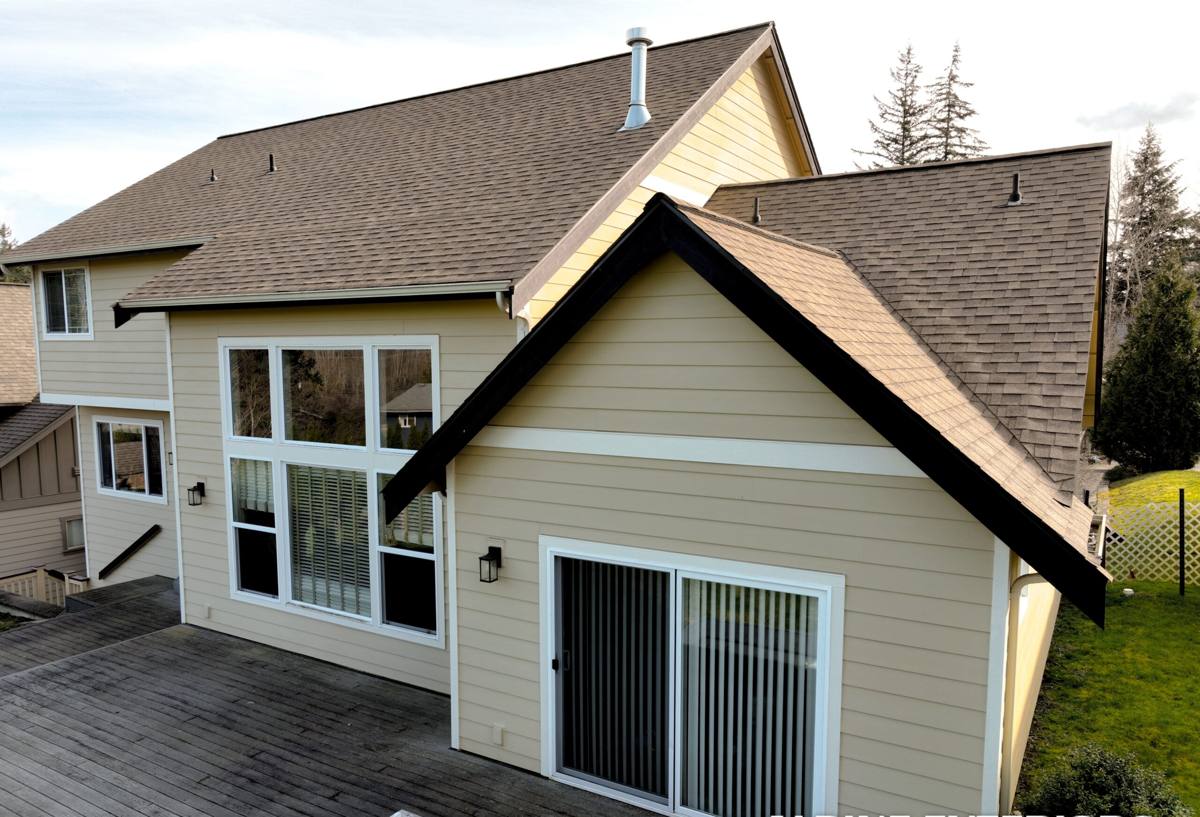
What Correct Window Installation Actually Involves
Window installation gets treated like a simple swap-and-caulk job more often than it should. Done right, it's a sequence of steps where skipping or rushing any one of them creates a failure point that won't show up until the next heavy rain or storm.
The Opening Comes First
Before a new window ever goes in, the rough opening has to be checked for square, level, and plumb, and the sheathing and framing around it inspected for rot or water damage from the old window. In coastal Florida construction, it's common to find some degree of moisture intrusion around older window openings even when the interior drywall looks fine. Installing a new window over a compromised opening just seals the problem behind a fresh frame.
Flashing and Water Management
This is the step that determines whether a window leaks in five years or twenty. Proper installation uses a layered flashing system — sill pan flashing, side flashing, and head flashing integrated with the home's weather-resistive barrier — so that any water that gets past the window itself is directed back out, not into the wall cavity. In a climate with as much wind-driven rain as ours, this detail matters more than the window brand on the label.
Setting, Shimming, and Fastening
The window has to be set plumb, level, and square, shimmed correctly so it doesn't bind or sag, and fastened according to the manufacturer's schedule — which in wind-borne debris regions typically means more fasteners, in specific locations, than what's used inland. Impact-rated and high-velocity hurricane zone (HVHZ)-adjacent products in particular have fastening requirements that are not optional if you want the window's wind rating to mean anything.
Sealing and Insulation
Low-expansion foam or backer rod and sealant around the frame perimeter closes air gaps without bowing the frame — over-filling with the wrong foam is a common shortcut that actually distorts the window and interferes with proper operation. The exterior perimeter gets sealed with a compatible sealant rated for exterior exposure, not general-purpose caulk that will crack and shrink within a season or two of Florida sun.
Choosing the Right Window for a Lutz-Area Home
Not every window sold in a big-box store is built for what this region does to a house. The frame material, glass package, and impact rating all matter, and they interact with each other more than most homeowners realize.
| Factor | Why It Matters Here |
|---|---|
| Frame material | Vinyl and fiberglass resist salt-air corrosion far better than aluminum without a quality finish; fiberglass holds up best under sustained UV and heat cycling |
| Glass package | Low-E, insulated glass cuts solar heat gain — a real factor in Tampa Bay cooling bills — and reduces UV fading of interior furnishings |
| Impact rating | Impact-rated glass protects against storm debris and lets some homeowners drop permanent shutters, but adds upfront cost |
| Hardware finish | Standard hardware finishes corrode faster in salt-influenced air; marine-grade or coated hardware options last longer |
| Design pressure rating | Confirms the window is engineered for local wind load requirements, not just a generic national spec |
We don't push one brand as the answer for every home. The right choice depends on the home's orientation, how exposed it is to prevailing wind and rain, the homeowner's budget, and whether impact glass or shutters make more sense for that specific property. What we do insist on is glass and frame combinations rated for this region's wind and moisture exposure — a window engineered for a mild inland climate is the wrong product here regardless of how good a deal it looks like on paper.
Frame Material Trade-Offs, Honestly
Aluminum frames are strong and slim-profile, which some homeowners like for sightlines, but uncoated or poorly finished aluminum is prone to pitting and corrosion in salt air over time, and it conducts heat, which works against energy efficiency in our climate. Vinyl is a solid, cost-effective option that resists corrosion entirely but can expand and contract with heat, so installation quality and product grade matter more than with other materials. Fiberglass costs more upfront but holds dimensional stability better under heat cycling and doesn't corrode — for homes closer to the water, it's often worth the difference. None of these is a wrong answer; they're different trade-offs, and we'll walk through them honestly rather than steering every job toward the highest-margin product.
Signs a Lutz-Area Home Needs New Windows
- Fogging or moisture between panes on double-glazed windows — the seal has failed and can't be repaired
- Visible daylight or a draft around the frame when the window is closed
- Windows that are difficult to open, close, or lock, especially after the frame has swelled or warped
- Soft, discolored, or bubbling wall or trim material near the window — a sign of past water intrusion
- Noticeably higher cooling bills without another clear explanation
- Chalky, pitted, or corroded frames and hardware, common on older aluminum windows in this climate
- Condensation on the inside of the glass regularly, even when humidity indoors is under control
Our Process for a Window Installation Job
We keep the process straightforward because homeowners have enough going on without guessing what happens next.
1. On-Site Assessment
We look at each window opening individually — not every window on a home fails the same way or needs the same fix. We check framing condition, current flashing, and how exposed each elevation is to prevailing wind and rain.
2. Product Selection
Based on that assessment and the homeowner's budget and priorities, we go over frame material, glass package, and impact rating options in plain terms, including what each choice does and doesn't get you.
3. Installation
Removal of the old unit, inspection and repair of the opening if needed, proper flashing integration, correct shimming and fastening to manufacturer and code specifications, and sealing — in that order, every time.
4. Final Check
Every window gets operated, checked for square and smooth function, and inspected for a clean, sealed perimeter before we call the job done.
Why Local Installation Experience Matters
Window installation isn't a generic skill that transfers evenly from one climate to another. A crew that mostly installs windows in dry, low-wind regions may do competent work by their region's standards and still miss details that matter here — flashing sequencing for wind-driven rain, fastening schedules for wind exposure, or sealant choices that hold up under sustained Gulf Coast UV instead of drying out and cracking within a couple of years.
Pinellas County and the surrounding Tampa Bay area also have specific building code requirements tied to wind zones, and permitting expectations that a crew unfamiliar with the area can get wrong or overlook. A contractor who regularly works in and around Oldsmar and Lutz already knows the typical construction of homes in this area, the common failure points on older windows here, and how to sequence a job so it holds up through the next hurricane season, not just through the final walkthrough.
Maintenance That Extends the Life of New Windows
A correct installation is most of the battle, but a little upkeep goes a long way in this climate.
- Rinse frames and glass periodically to clear salt residue, especially on homes closer to the water
- Inspect exterior sealant annually for cracking or gaps and have it addressed before it becomes a leak path
- Keep weep holes on the sill clear of debris so water drains as designed instead of pooling
- Operate locks and hardware regularly so they don't seize from corrosion or disuse
- Have windows checked after any major storm, even if there's no obvious visible damage
What Affects the Cost of a Window Installation Project
Costs vary window to window and home to home, but a few factors consistently drive the price up or down: whether it's a straightforward replacement in an existing, sound opening or a job that requires framing repair; the frame material and glass package chosen; whether impact-rated glass is specified; the number of windows done at once, since bundling a whole elevation or the whole home is typically more efficient than doing them one at a time; and any custom sizing for non-standard openings. We'll always walk through these factors specific to your home before any work starts, so there are no surprises on the invoice.
If your windows are showing their age, feeling drafty, or you're simply planning ahead of the next storm season, we're happy to take a look and talk through honest options — no pressure, no pushy sales pitch. Reach out using the form below for a free estimate on window installation for your Lutz-area home.