 Oldsmar Siding
 New Roof Installation for Largo Homes, Done by a Crew That Already Works Your Area
Largo sits in the middle of Pinellas County, close enough to the Gulf and Tampa Bay that every roof here deals with the same combination of problems: salt-laden air, sudden tropical downpours, long stretches of intense UV, and the real possibility of hurricane-force winds during storm season. A new roof installed in Largo isn't just a cosmetic upgrade — it's the single system standing between your home and all of that, and it needs to be installed correctly the first time. This page covers what a proper new roof installation looks like for a Largo property, what goes into doing the job right, and why working with a crew that already knows this part of Pinellas County makes a real difference.
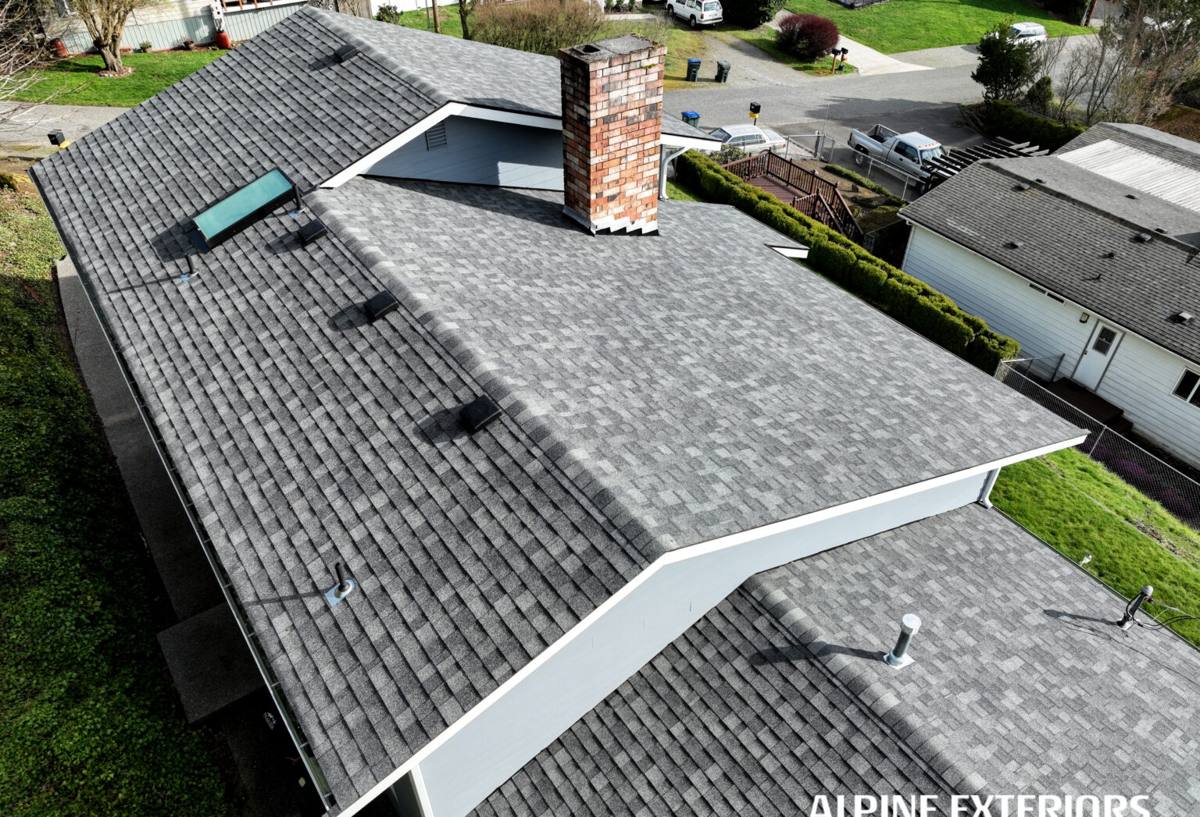
Why Largo Roofs Wear Out Faster Than People Expect
Homeowners moving to the area from cooler or drier climates are often surprised at how much faster a roof ages here compared to where they came from. It isn't one single factor — it's several working against the roof at the same time, year-round.
The Climate Stack
- UV exposure: Florida sun breaks down asphalt shingle oils and granule adhesion faster than in most of the country, which shortens the effective lifespan of lower-grade shingles.
- Wind-driven rain: Storms here rarely come straight down. Wind pushes rain sideways and up under laps, edges, and flashing, which is why proper underlayment and flashing detail work matters more than the shingle brand itself.
- Salt air: Being close to Tampa Bay and the Gulf means airborne salt accelerates corrosion on exposed metal fasteners, flashing, and vents if the wrong materials are used.
- Hurricane-force wind risk: Pinellas County sees real wind-uplift events, and a roof system is only as strong as its weakest attachment point — nailing pattern, deck fastening, and edge metal all matter as much as the covering material.
None of these factors act alone. A roof that handles UV fine but was installed with a weak nailing pattern will still fail in a wind event, and a wind-rated shingle installed over rotten decking won't perform the way its rating suggests. A correct installation treats the roof as one connected system, not a stack of individual products.
What a Correct New Roof Installation Actually Involves
"New roof" gets treated like a simple swap in a lot of sales conversations, but the work that actually protects a Largo home happens in layers most people never see once the job is finished.
The Layers That Do the Real Work
- Deck inspection and repair. Every board under the old roofing gets checked for rot, delamination, and soft spots. Skipping this step is the single most common reason a "new" roof fails early.
- Drip edge and flashing. Metal edge details at eaves, rakes, valleys, and any wall or chimney intersection are where wind-driven rain gets in. These need to be sized and fastened correctly, not just reused from the old roof.
- Underlayment. In a wind-driven rain climate, the underlayment is your backup layer if wind ever lifts a shingle edge. Self-adhering underlayment at eaves, valleys, and penetrations is worth the extra step here.
- Fastening pattern. Nail count, placement, and type directly affect wind uplift resistance. This is set by code and by the shingle manufacturer's wind-rated installation instructions — and it's the step that's easiest to shortcut and hardest to verify after the fact.
- Ventilation. Proper intake and exhaust ventilation keeps attic temperatures and moisture in check, which protects both the new roofing material and the decking underneath it from premature aging.
Any one of these done poorly can undercut an otherwise good shingle or metal product. This is where the reputation of the installing crew matters more than the brand name on the material.
Roofing Material Options for Largo Properties
There's no single "best" roofing material for every Largo home — it depends on the roof's slope, the home's structure, your budget, and how long you plan to own the property. Here's an honest comparison of the options we install most often in this climate.
| Material | Typical Lifespan Here | Wind Performance | Best Fit |
|---|---|---|---|
| Architectural asphalt shingle | 18-25 years | Good, when installed to wind-rated spec | Most homes; best balance of cost and performance |
| 3-tab asphalt shingle | 12-18 years | Lower wind rating than architectural | Budget-driven replacements on secondary structures |
| Standing seam metal | 40+ years | Excellent when properly fastened | Owners planning to stay long-term or wanting minimal future maintenance |
| Tile (concrete or clay) | 30-50 years | Good, but depends heavily on underlayment condition | Homes already built for tile weight loads |
We'll walk through which of these actually makes sense for your roof's slope and structure during the estimate — there's no benefit to us recommending a product that doesn't fit your home.
Signs a Largo Roof Needs Replacement, Not Another Repair
Repairs make sense when a roof has isolated damage and the rest of the system is sound. Replacement makes sense when the roof as a whole is past the point where patching adds real value. Common signs it's time for a full new roof installation:
- Granule loss heavy enough that shingles look patchy or bald in sun-exposed areas
- Multiple past repairs in different areas of the roof, rather than one isolated spot
- Curling, cracking, or cupping shingles across large sections, not just a few
- Soft spots or visible sagging when viewed from the ground or attic
- Water staining on interior ceilings that keeps reappearing after repairs
- The roof is old enough that its remaining material warranty offers little practical value
If you're not sure which category your roof falls into, that's a normal question to bring to an estimate — an honest contractor will tell you when a repair is still the right call.
Permits, Wind Codes, and What That Means for Your Project
Pinellas County enforces Florida's high-velocity and wind-borne debris building code requirements, which set minimum standards for fastening patterns, underlayment, and, where applicable, secondary water barriers. A proper new roof installation in Largo is permitted and inspected — that's not paperwork for its own sake, it's the mechanism that confirms the roof was actually installed to the wind-rated standard it's supposed to meet. Skipping or shortcutting the permit process is one of the clearest warning signs of a contractor cutting corners, since it removes the third-party check on the fastening and flashing work described above.
What Drives the Cost of a New Roof in Largo
Every roof is different, so we won't quote a number without seeing yours, but these are the factors that actually move the price up or down.
| Factor | Effect on Cost |
|---|---|
| Roof size and number of facets/valleys | More cuts and seams mean more labor and flashing material |
| Deck condition | Rotten or delaminated decking adds replacement material and labor |
| Material choice | Metal and tile cost more upfront than asphalt but last significantly longer |
| Roof pitch and access | Steep or hard-to-access roofs take longer and require more safety setup |
| Ventilation and flashing upgrades | Bringing older ventilation or flashing up to current standards adds cost but reduces future problems |
Be cautious of any quote that's dramatically lower than the others you collect — it usually means one of these factors, most often deck repair or proper fastening, is being left out rather than priced in.
Why a Local Oldsmar-Based Crew Matters for a Largo Job
A roofing crew based in Oldsmar and working Largo regularly already understands the wind exposure, typical roof ages, and permitting expectations for this stretch of Pinellas County — that's not something a crew driving in from outside the area picks up on the first job. Just as important: we're close enough to actually show up if a warranty question comes up down the road, rather than being a phone number attached to a company that was in the area for one storm season. For a system that's supposed to protect your home for 20, 30, or more years, working with a crew that plans to still be local when a follow-up is needed is part of getting the job done right.
Before You Sign: A Practical Checklist
- Is the roof being permitted and inspected through Pinellas County, not just installed off the books?
- Does the quote specify deck inspection and repair terms, not just "replace as needed" with no pricing basis?
- Is the fastening pattern and underlayment spec written into the proposal, or just the shingle brand?
- Are flashing and drip edge being replaced, or reused from the old roof?
- Does the contractor carry current Florida licensing and insurance you can verify?
- Is there a clear manufacturer warranty and a separate workmanship warranty, and do you understand what each one actually covers?
A contractor who answers these questions clearly and in writing, before any deposit changes hands, is telling you something important about how the rest of the job will go.
Ready to Talk About Your Largo Roof?
If your roof is showing its age or you just want an honest read on where it stands, we're happy to take a look and walk you through what we find — no pressure, no scare tactics. Use the form below to request a free estimate for your Largo new roof installation.