 Oldsmar Siding
 Roof Replacement Built for Forest Lakes, Not for Everywhere
Forest Lakes homes sit inland from the coast but still take a beating that a lot of roofing crews from outside Pinellas County don't fully account for. You're close enough to Tampa Bay and the Gulf to get salt-laden air pushed through on a regular breeze, far enough that some contractors assume you don't need coastal-grade attention, and squarely inside the wind and rain path that every named storm crossing central Florida runs through. A roof replacement here isn't a generic project. It's a system that has to hold up to sustained summer heat, sudden wind-driven downpours, and the occasional hurricane-force gust, year after year, without babying.
We work in Oldsmar regularly, including Forest Lakes, and we size every roof replacement around what actually happens to a roof in this specific pocket of the county — not a one-size-fits-all spec sheet.
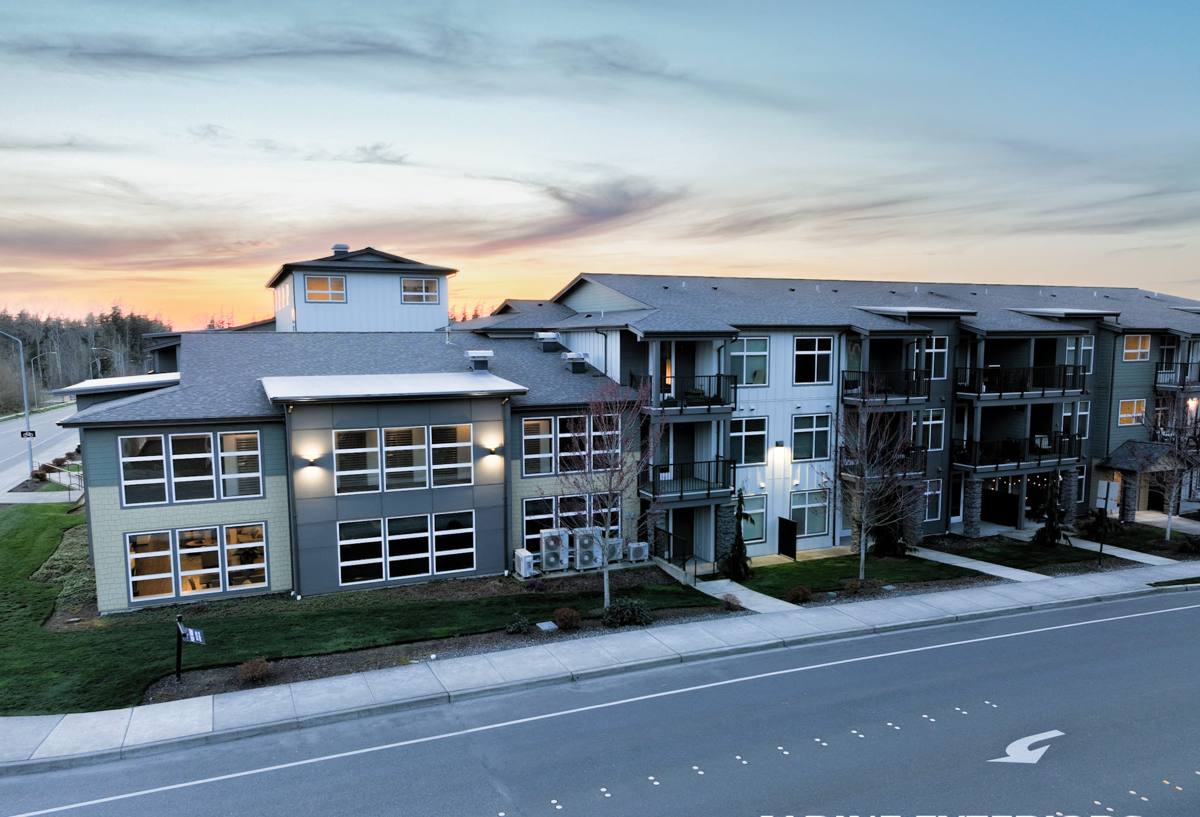
What Forest Lakes Roofs Are Actually Up Against
Heat and UV Load
Florida sun is relentless almost twelve months a year. Asphalt shingles lose oils and granules faster here than in almost any other part of the country, and that acceleration is what turns a "25-year shingle" into a 15-to-18-year roof if the underlying materials and ventilation aren't right. UV breakdown isn't cosmetic — it's the leading driver of premature roof failure in this region, more than any single storm event.
Wind-Driven Rain
It's rarely just rain here. When a storm front pushes through, rain comes in sideways, which means water gets tested at every seam, fastener, and flashing point, not just on flat surfaces. A roof that would keep a house dry in a calmer climate can still leak in Pinellas County if the underlayment and flashing details weren't built with wind-driven moisture in mind.
Hurricane-Force Wind Uplift
Pinellas County sits in a wind zone that requires roofing systems to resist significant uplift forces, and Florida Building Code reflects that with specific fastening patterns, nailing schedules, and product approvals. A roof replacement done to code here is a meaningfully different job than the same square footage in a low-wind-zone state.
Salt Air Exposure
Forest Lakes isn't beachfront, but salt aerosol still travels well inland on prevailing winds off Tampa Bay and the Gulf. Over years, that salt accelerates corrosion on exposed metal — flashing, fasteners, vent stacks, and drip edge — even on homes that never see standing saltwater. Metal component selection matters more here than it would forty or fifty miles inland.
Signs a Forest Lakes Roof Needs Replacing, Not Patching
- Granule loss showing up in gutters or at downspout discharge points, especially after summer storms
- Shingles that look curled, cupped, or brittle when you look up from the ground
- Multiple past repairs in different areas of the roof rather than one isolated spot
- Visible daylight or staining in the attic, particularly around vents, chimneys, or valleys
- A roof approaching or past the midpoint of its expected service life combined with any active leak
- Missing or lifted shingles after a wind event, even if no interior leak has shown up yet
- Soft or spongy spots on the deck when walked, a sign moisture has already reached the plywood
Any one of these on its own might justify a repair. Several together, especially on a roof that's already past 15-20 years old, usually means repair costs stop making financial sense compared to a full replacement.
What a Correct Roof Replacement Includes Here
A roof replacement done right in this climate isn't just stripping old shingles and laying new ones. Every layer of the system has a job to do against wind, water, and heat, and skipping or downgrading any one of them shows up later as a leak or a wind failure.
Tear-Off and Deck Inspection
Full tear-off to the deck lets us actually see the plywood underneath — soft spots, old water staining, or rot that a re-roof over the top would hide. Any damaged decking gets replaced before anything new goes down. This step is where a lot of hidden problems from a prior roof, sometimes from before the home was even purchased, get caught.
Underlayment
In a wind-driven-rain climate, underlayment is a second line of defense, not a formality. We use underlayment systems rated for this wind zone and pay particular attention to overlap and fastening so that if wind ever lifts a shingle edge, the deck underneath still stays dry.
Flashing and Penetrations
Chimneys, plumbing vents, skylights, and roof-to-wall transitions are where the overwhelming majority of leaks actually start — not the open field of shingles. Flashing gets replaced, not reused, and sealed to current standards, with corrosion-resistant metal given the salt air exposure common across Oldsmar.
Fastening and Wind Rating
Nailing pattern and fastener count are dictated by Pinellas County's wind zone requirements under Florida Building Code. This isn't optional or a place to save time — it's the difference between a roof that stays attached in a severe wind event and one that doesn't.
Ventilation
Attic ventilation affects both shingle life and energy costs. Proper intake and exhaust balance keeps attic temperatures from cooking shingles from underneath, which matters given how much heat load this climate puts on a roof.
Roofing Material Comparison for Oldsmar Conditions
| Material | Typical Lifespan Here | Wind Performance | Maintenance Considerations |
|---|---|---|---|
| Architectural asphalt shingle | 15-25 years | Good, when rated and installed to local wind zone specs | Periodic inspection for granule loss and UV wear; most common, most cost-effective option |
| 3-tab asphalt shingle | 10-15 years | Lower wind resistance than architectural shingles | Shorter service life in this climate; largely phased out for coastal-influenced counties |
| Metal (standing seam or coated panel) | 40-plus years | Excellent wind uplift resistance when properly fastened | Higher upfront cost; needs corrosion-resistant fasteners and coatings given salt air exposure |
| Tile (concrete or clay) | 40-50 years | Very good, but individual tiles can crack from wind-thrown debris | Heavier structural load; underlayment condition becomes the real determinant of leak-free life |
Most Forest Lakes homes we work on use architectural asphalt shingles, and for good reason — the cost-to-performance balance works well for this climate as long as the wind rating and installation details are right. Metal and tile are legitimate upgrades for homeowners planning to stay long-term or wanting a longer replacement cycle, but they come with different cost and structural considerations worth discussing on-site.
How Our Process Works
- On-site inspection. We look at the roof itself, the attic from underneath, and the specific exposure of your home — tree cover, prevailing wind direction, proximity to open water.
- Honest assessment. If repair genuinely makes more sense than replacement, we'll tell you that. If replacement is the right call, we explain why in plain terms tied to what we actually found.
- Written estimate. Material options, scope of work, and a clear price — no vague allowances that turn into surprises later.
- Permitting. Roof replacements in Oldsmar require a permit through Pinellas County, and inspections confirm the work meets current wind-zone code. We handle that process.
- Tear-off and replacement. Full removal of the old roof, deck inspection and repair as needed, then installation of the new system per manufacturer and code specifications.
- Final walkthrough. We go over the completed roof with you before considering the job done, including cleanup of the property.
Why a Crew That Already Works Forest Lakes Matters
Roofing crews unfamiliar with this specific area tend to default to generic specs — wind ratings, flashing details, and material choices pulled from a national playbook rather than tuned to what actually holds up a few miles from Tampa Bay. A crew that regularly works Oldsmar and the surrounding Pinellas County communities has already seen which flashing details fail first in this wind pattern, which shingle lines perform better under sustained UV exposure here, and how salt air affects metal components differently than it would forty miles inland. That local pattern recognition is the difference between a roof that meets code on paper and one that actually holds up through its full expected life in this exact environment.
It also matters for permitting and inspection. Familiarity with Pinellas County's permitting process and inspection expectations means fewer delays and fewer surprises mid-project.
Cost Factors Worth Understanding Before You Get Quotes
| Factor | Why It Affects Price |
|---|---|
| Roof size and pitch | More square footage and steeper pitches increase labor time and material quantities |
| Number of layers being removed | Tear-off of multiple existing layers takes more labor and disposal than a single layer |
| Deck condition | Rotted or soft decking found during tear-off requires replacement, which is priced once actual condition is known |
| Material choice | Architectural shingle, metal, and tile carry significantly different material and labor costs |
| Roof complexity | Valleys, dormers, chimneys, and multiple penetrations add flashing work and labor time |
| Wind-rating requirements | Higher wind-zone fastening specs can affect labor time and fastener/material costs |
Broad ranges for a straightforward architectural shingle replacement on a typical single-family home in this area generally run into the mid-to-high five figures depending on size and complexity, with metal and tile running higher. The only way to get an accurate number for your specific home is an on-site look — anything quoted sight unseen should be treated as a rough placeholder, not a real number.
Maintaining a New Roof in This Climate
Even a correctly installed roof benefits from basic upkeep given what this climate throws at it. A simple annual routine goes a long way:
- Walk the property after major storms and look for missing, lifted, or displaced shingles
- Keep gutters clear so water isn't backing up under roof edges during heavy rain
- Trim overhanging branches that can abrade shingles in wind or drop debris during storms
- Check the attic once or twice a year for staining, daylight, or musty odors
- Have flashing around chimneys and vents inspected every few years, since these are the most common leak points over time
Get an Honest Look at Your Roof
If your Forest Lakes home's roof is showing its age, took a hit in a recent storm, or you're just trying to plan ahead before the next hurricane season, we're glad to come take a look. We'll give you a straight assessment of where things actually stand, and if replacement is the right move, a clear, written estimate to go with it. Use the form below to request your free, no-pressure estimate.