 Oldsmar Siding
 Forest Lakes Roofs Work Harder Than Most People Realize
Forest Lakes is an established residential pocket of Oldsmar, and like most of Pinellas County, it sits close enough to the Gulf and Tampa Bay that "coastal climate" isn't a marketing phrase — it's a maintenance schedule. A roof here is asked to do four jobs at once: shed wind-driven rain during summer storms, shrug off hurricane-force gusts without losing shingles or panels, survive year-round UV exposure that most of the country only sees for a few months, and resist the slow corrosion that salt-laden air causes on metal fasteners, flashing, and vent components. None of these stresses are hypothetical — they're the normal weather pattern for this part of Florida, every single year.
A new roof installation in Forest Lakes isn't just about picking a color and a shingle style. It's about choosing materials and installation details that are matched to this specific combination of stresses, and having a crew that installs to that standard as a matter of routine, not as an upsell.
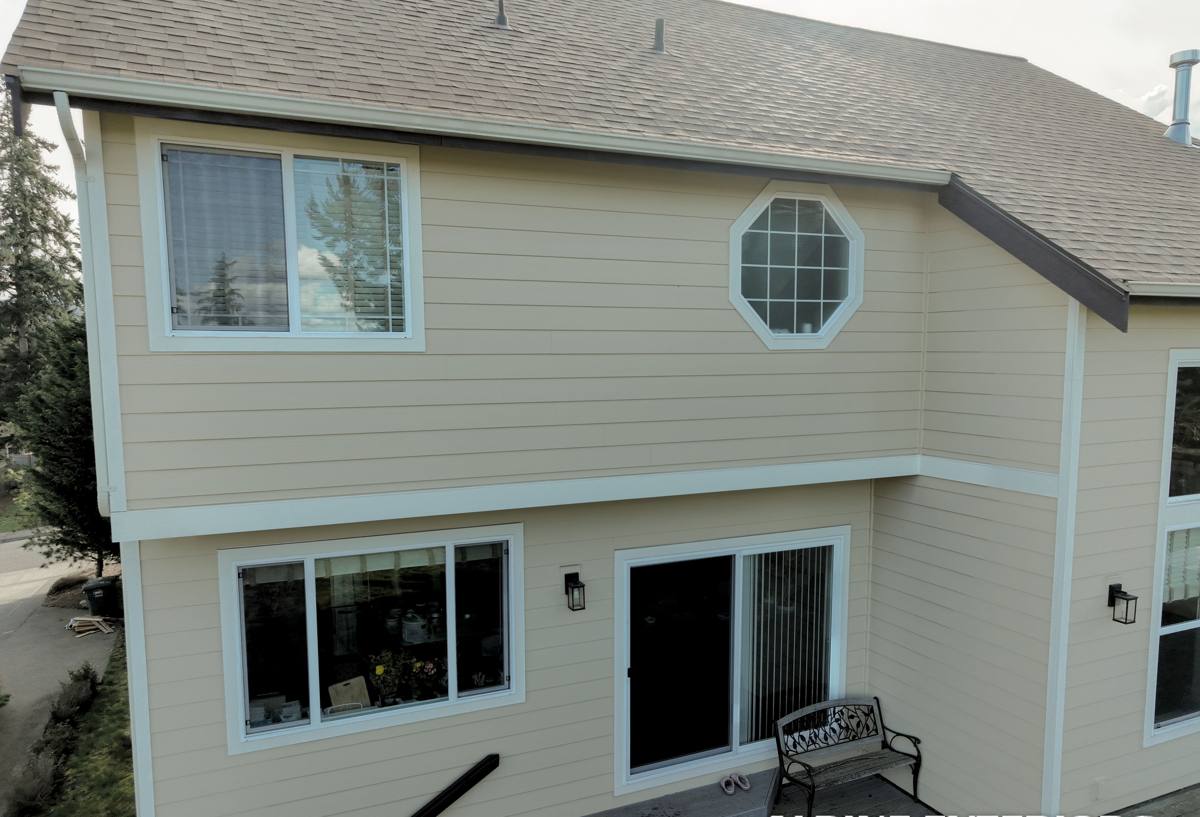
Signs a Forest Lakes Home Is Actually Due for a New Roof
Roofs rarely fail all at once. They give warning signs for months or years before a leak shows up inside the house. Homeowners in this neighborhood should watch for:
- Granule loss on asphalt shingles heavy enough that you find grit collecting in gutters or downspouts
- Shingles that are curling, cupping, or losing their tab lines when viewed from the ground
- Cracked, slipped, or missing tiles on tile roofs, especially after a windy stretch
- Soft spots in the decking felt underfoot in the attic, or daylight visible through the roof deck
- Rusted or lifting flashing around chimneys, skylights, and roof-to-wall transitions
- A roof that's simply reached the end of its rated service life, even if it "looks fine" from the street
In this climate, UV degradation and wind fatigue often show up faster than the shingle manufacturer's brochure life expectancy suggests. A roof that's 15-18 years old in Forest Lakes has usually taken more punishment than the same roof would in a drier, calmer inland state, and it deserves a closer look rather than an assumption that it has years left.
Why Waiting Costs More Here Specifically
A small leak in a wind-driven rain event doesn't stay small. Water pushed sideways under a lifted shingle or through a failed flashing detail can travel several feet before it drips somewhere visible, which means by the time you see a ceiling stain, the wood decking underneath has often been wet for a while. Between the salt air's effect on exposed metal and the intensity of Gulf-coast summer storms, deferred roof problems tend to compound faster in Oldsmar than they would in a milder climate.
What a Correct New Roof Installation Actually Involves
A roof is a system, not a single product. Skipping any one layer undermines the whole thing, no matter how good the shingles or tiles are. Here's what should happen on every full replacement, whether it's a single-story ranch or a two-story home in Forest Lakes:
Tear-Off and Deck Inspection
We remove the old roofing material down to the deck rather than layering over it. That's the only way to actually see the plywood or OSB underneath, check for soft or delaminated sections, and replace any damaged decking before new material goes down. Roofing over a compromised deck just hides the problem for a future homeowner to discover the hard way.
Underlayment and Water Barrier
Given how much wind-driven rain this area sees, the underlayment layer matters as much as the visible roofing material. A synthetic or self-adhering underlayment, properly lapped and sealed at penetrations, is what keeps water out even if wind manages to lift a shingle or drive rain up under a tile edge.
Flashing and Penetrations
Chimneys, skylights, plumbing vents, and wall transitions are where the vast majority of roof leaks actually start — not in the open field of the roof. New, correctly lapped flashing at every one of these points is non-negotiable on a proper installation, not an optional add-on.
Fastening for Wind Performance
Nail or fastener pattern, placement, and count directly determine how well a roof holds up in high wind. Florida Building Code sets minimum requirements for wind uplift resistance based on the local design wind speed, and a correctly installed roof meets or exceeds those fastening schedules — not just the manufacturer's minimum "field" spacing.
Ventilation
Proper intake and exhaust ventilation keeps attic temperatures down, which extends shingle life under Florida's UV load and reduces moisture buildup that can rot decking from underneath. A new roof is the right time to correct ventilation that was never adequate to begin with.
Comparing Roofing Materials for a Forest Lakes Home
There's no single "best" roofing material — the right choice depends on the home's structure, the roof's pitch and shape, budget, and how much long-term maintenance the homeowner wants to take on. Here's an honest breakdown of the main options we install:
| Material | Typical Lifespan (this climate) | Wind Performance | Maintenance | Relative Upfront Cost |
|---|---|---|---|---|
| Architectural asphalt shingle | 18-25 years | Good, when installed to rated fastening schedule | Low to moderate | Lowest |
| Standing seam metal | 30-50 years | Excellent when properly fastened and clipped | Low, but needs coating checks in salt air | Higher |
| Concrete or clay tile | 30-50 years | Very good structurally; individual tiles can crack or blow off in extreme wind if not properly secured | Moderate — periodic tile and underlayment checks | Higher |
Every material on this list can perform well in Oldsmar's climate if it's installed correctly and fastened to the wind ratings this area calls for. Where we see problems is almost always in the installation details, not the material itself — an under-fastened tile roof or a shingle roof with poor flashing will underperform no matter what the product label says.
A Note on Product Choices
We install what we can stand behind for the long term, which sometimes means recommending against a lower-cost option a homeowner has seen advertised. That's not a knock on any manufacturer — it's about matching a product's real-world moisture behavior, wind rating, and installation sensitivity to a house that's going to sit a few miles from open water for the next few decades. We'll walk through the trade-offs honestly rather than steering you toward whatever has the best margin.
Permits, Code, and Inspections in Oldsmar
Every full roof replacement in Oldsmar requires a permit, and the work is inspected against the current Florida Building Code — which sets wind uplift and fastening requirements based on this area's design wind speed. This isn't paperwork for its own sake: it's the mechanism that keeps a new roof from becoming an insurance and safety problem the next time a named storm comes through Pinellas County. A legitimate contractor pulls the permit, schedules the required inspections, and gives you the documentation your insurance company will want on file. If a bid doesn't include permitting, that's a red flag worth asking about directly.
How Our Process Works, Start to Finish
- On-site inspection. We walk the roof and attic in person — not from a satellite photo — and document actual condition, not assumptions.
- Written estimate. You get a clear scope of work and pricing, with material options explained in plain terms, before any commitment.
- Permit and scheduling. We pull the Oldsmar permit and schedule the job around weather, not around convenience.
- Tear-off and deck inspection. Old material comes off, decking is inspected, and any needed repairs are priced and approved before covering it up.
- Installation. Underlayment, flashing, ventilation, and the finish material go on to code-minimum fastening or better.
- Final inspection and walkthrough. The municipal inspection is completed, and we walk the finished roof with you before calling the job done.
Why a Crew That Already Works in Forest Lakes Matters
Roofing crews that work regularly in a specific Oldsmar neighborhood build a practical sense of what that area's homes actually need — common roof pitches and shapes, how mature tree cover affects debris and gutter load, and which HOA or permitting steps tend to come up. That's different from a traveling crew that's in the county for one job and gone the next week if a warranty question comes up. A local presence means someone answers the phone if a fastener backs out after a storm, and it means the estimate reflects real familiarity with the neighborhood rather than a generic statewide template.
Keeping a New Roof Healthy After Installation
A correctly installed roof still benefits from basic upkeep, especially in a climate this demanding. A simple maintenance rhythm goes a long way toward hitting the full expected lifespan of the material:
- Clear gutters and downspouts at least twice a year, more often under mature tree canopy
- Have the roof visually checked after any named storm or severe wind event, even without an obvious leak
- Keep an eye on flashing around chimneys, skylights, and vents for signs of lifting or rust
- Trim back overhanging branches that can abrade shingles or drop debris onto the roof surface
- Address small leaks immediately rather than waiting for a bigger, more visible problem
- Keep copies of your permit, inspection sign-off, and material warranty in one place for insurance purposes
If your Forest Lakes home is showing any of the signs above, or you'd just like an honest, no-pressure read on where your current roof stands, we're happy to take a look. Use the form below to request a free estimate — there's no obligation, and no pressure to decide on the spot.