 Oldsmar Siding
 Roofs in Eastlake Woodlands Work Harder Than Most People Realize
Eastlake Woodlands is one of the more established, tree-shaded communities on the Oldsmar side of Pinellas County, and that mature tree canopy is both a blessing and a liability for the roofs underneath it. Shade keeps attic temperatures down, but overhanging limbs also mean more debris in the valleys, more moisture held against shingles after a storm, and more granule loss from branches scraping across the surface in high wind. Combine that with the rest of what a Gulf Coast roof deals with — hurricane-force gusts during the season, intense year-round UV that most northern manufacturers never designed for, wind-driven rain that finds every weak seam, and salt air drifting in off Tampa Bay that slowly corrodes metal fasteners and flashing — and you get a roof that ages differently here than it would almost anywhere else in the country.
Most of the repair calls we get in this neighborhood aren't about roofs that are simply "old." They're about roofs that were never sealed, flashed, or ventilated correctly for this climate in the first place, and are now showing it. A repair done right the first time accounts for all of that. A repair done as a quick patch usually doesn't, and it shows up again within a year or two, often as a bigger problem.
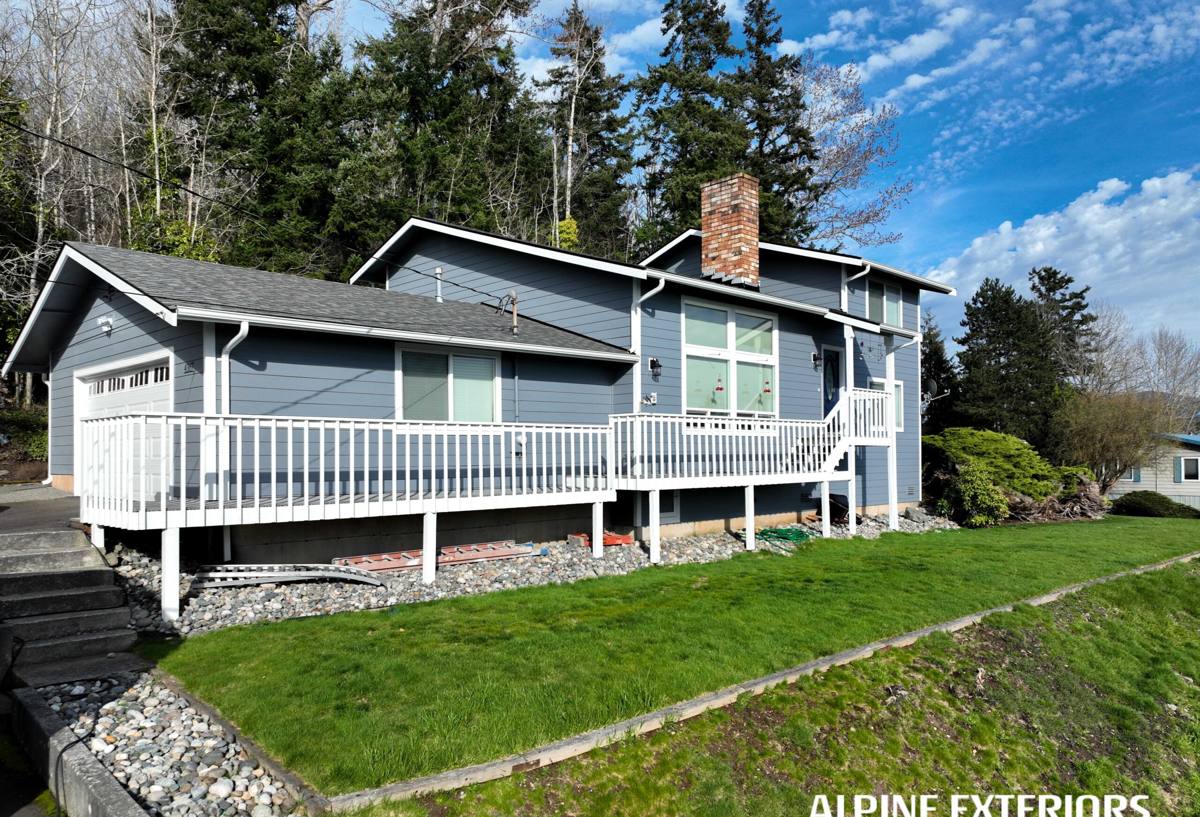
What Roof Repair Actually Covers
"Roof repair" gets used as a catch-all term, but it covers a fairly wide range of work. On the homes we see most often in Eastlake Woodlands — a mix of dimensional shingle roofs and some tile — repair typically falls into a few categories:
- Wind and storm damage: lifted, cracked, creased, or missing shingles; broken or slipped tiles; torn ridge caps
- Flashing failures: around chimneys, skylights, pipe boots, and roof-to-wall transitions where leaks most often start
- Active leaks: water intrusion that's already reached the decking, insulation, or ceiling below
- UV and age-related wear: brittle, cracked, or granule-shedding shingles that are still structurally attached but no longer sealing properly
- Ventilation and moisture issues: soffit or ridge vent damage that lets wind-driven rain in during storms
Each of these needs a different fix, and lumping them together is how homeowners end up with a "repair" that only addresses the visible symptom instead of the actual point of failure.
Signs a Repair Call Is Overdue
Most roof leaks don't announce themselves with an obvious hole. They show up as a stain on a ceiling weeks or months after the water actually got in. Watch for granules collecting in gutters after a storm, shingles that look curled or lifted at the edges, daylight visible through the attic near roof penetrations, or a musty smell in an upstairs room after heavy rain. Any of these is worth a look before the next named storm rolls through, not after.
What Correct Repair Work Looks Like
A repair that actually holds up in this climate isn't just about swapping a broken shingle for a new one. It means matching the existing material closely enough that the patch doesn't stand out or create a mismatched seam, resealing with the right adhesive for Florida heat rather than a generic caulk that will crack under UV within a season, and checking the decking underneath for soft spots or water staining before anything new goes down over it. If the decking is compromised, covering it up with new shingles just hides a problem that will come back worse.
It also means re-flashing properly rather than just running a bead of sealant over an old flashing joint — sealant is a stopgap, not a repair, and it's one of the most common shortcuts we find when we inspect a roof that's "already been fixed" by someone else.
Repair Type, Typical Cause, and Urgency
| Repair Type | Typical Cause Locally | Urgency |
|---|---|---|
| Missing or lifted shingles | Wind gusts, aging adhesive strips, UV brittleness | High — exposed decking absorbs rain fast |
| Flashing leaks (chimney, skylight, wall) | Sealant breakdown from heat and UV cycling | High — often the source of ceiling stains |
| Cracked or slipped tile | Impact from falling limbs, foot traffic, mortar fatigue | Medium — can worsen quickly if underlayment is exposed |
| Granule loss / surface wear | Cumulative UV exposure, tree debris abrasion | Low to medium — monitor, plan ahead |
| Vent or boot deterioration | Salt air corrosion, rubber boot cracking under UV | Medium — common wind-driven rain entry point |
Our Process, From First Call to Finished Repair
We keep the process straightforward because homeowners dealing with a leak don't need extra complexity added on top of it.
- Walk-through and roof inspection, including attic access when there's a suspected leak, so we're not guessing at the cause
- Photos and a plain-language explanation of what we find — what's damaged, what's just worn, and what can wait
- A written estimate that separates the actual repair from anything that's optional, so you're not paying to fix something that doesn't need it
- Repair work scheduled around weather, since sealants and adhesives need dry conditions to cure properly
- A final check of the repaired area and the surrounding roof surface before we call it done
We're not interested in finding extra work that isn't there. If a roof needs one flashing point resealed and nothing else, that's what we quote — not a full section replacement.
Repair or Replace: How We Help You Decide
Not every damaged roof needs a full replacement, and not every roof is worth repairing indefinitely either. The honest answer usually comes down to three things: how much of the roof is affected, how old the existing material already is, and whether the decking underneath is still sound. A roof with isolated storm damage on an otherwise healthy surface is a repair candidate. A roof with widespread granule loss, multiple past patch jobs, and decking that's soft in more than one spot is usually past the point where repair is the economical choice — you'd be paying to delay the inevitable rather than actually fixing it.
We'll tell you plainly which category your roof falls into, including when a repair is genuinely the right call even if a replacement would be more profitable for us. That's a judgment call we take seriously, because it's your roof and your money.
Insurance and Storm Damage
After named storms, insurance adjusters are moving through Pinellas County fast, and roofing contractors chasing storm work can move even faster. A documented, honest inspection — with photos taken before any repair work starts — gives you something solid to work with if you're filing a claim, whether we're the ones doing the eventual repair or not.
Materials and Methods We Use
For shingle repairs, we match the existing product as closely as possible in both style and color batch, since sun-faded shingles from a few years ago rarely match a brand-new bundle exactly. We use flashing metal and sealants rated for sustained UV and coastal humidity rather than generic hardware-store products that break down faster in this climate than they would inland. For tile repairs, we're careful about walking patterns and foot placement, since cracked tile from a careless repair crew is a common complaint we hear from homeowners who've had work done before.
We also don't recommend certain shortcuts you may have seen elsewhere, like tar-based patches over large areas or spray-on sealant coatings as a substitute for actual flashing repair. They can look like a fix for a season, but they trap moisture rather than shed it, and they make the eventual real repair more expensive because we have to remove them first. We'd rather tell you that upfront than sell you something that fails in a year.
Why Local Experience in This Neighborhood Matters
Eastlake Woodlands homes share some common patterns — roof ages, tree coverage, exposure angles relative to prevailing storm winds — that a crew working here regularly picks up on. That familiarity means faster, more accurate diagnosis, because we're not seeing this combination of tree canopy, coastal humidity, and roofing age for the first time. It also means we know which repair approaches actually hold up in this specific microclimate versus what performs fine in a lab spec sheet but degrades faster once it's exposed to Pinellas County's salt air and summer UV year after year.
Between Repairs: Simple Maintenance That Actually Helps
A few habits go a long way toward avoiding emergency repair calls in this neighborhood specifically:
- Keep tree limbs trimmed back from the roofline — overhanging branches drop debris into valleys and scrape shingles in wind
- Clear gutters and valleys after storms so water isn't backing up under the roofline edge
- Have flashing points checked every couple of years, since sealant breakdown from UV is gradual and easy to miss until it leaks
- After any major wind event, do a visual check from the ground for obviously lifted or missing shingles
- Address small leaks immediately — a small stain today is a much cheaper fix than saturated decking six months from now
Let's Take a Look
If you're noticing a stain, a missing shingle, or you just want a second opinion on repair work someone else has recommended, we're happy to come take a look. We'll give you a straight assessment, a written estimate, and no pressure either way — reach out below for a free evaluation of your roof.