 Oldsmar Siding
 Siding Installation Built for the East Lake Area
Homes in the East Lake area near Oldsmar sit in one of the more demanding climates in the country for exterior building materials. Pinellas County homeowners deal with hurricane-force wind events, months of intense UV exposure, wind-driven rain that finds every gap in a wall system, and salt-laden air that moves across the peninsula even in communities that aren't directly on the water. Siding here isn't just a cosmetic choice. It's the first line of defense for the structure underneath it, and it either holds up to that combination of stress or it starts failing years ahead of schedule.
This page covers what siding installation actually involves for homes in and around East Lake — what the local climate demands, what a correct installation looks like, and how our process works from first inspection to final walk-through.
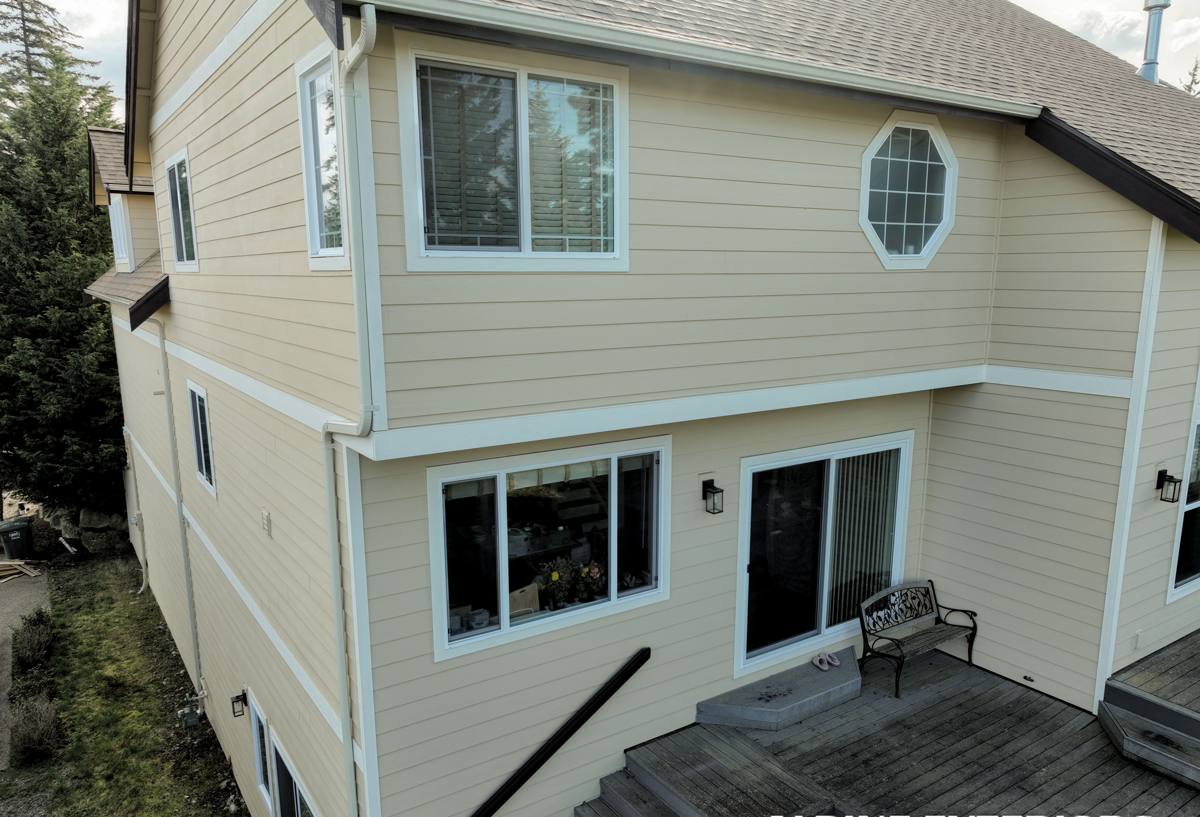
Why East Lake Homes Put Extra Stress on Siding
East Lake is a mix of established neighborhoods with mature tree canopy and newer construction on more open lots, much of it near ponds, retention areas, or lake frontage. That mix creates a few specific challenges for exterior siding that don't show up the same way in every part of Pinellas County.
Shade, Humidity, and Slow-Drying Walls
Homes tucked under heavy tree cover get less direct sun, which sounds like an advantage — and it does reduce UV fading somewhat. But shaded walls also dry out more slowly after rain, and Central Florida's humidity means those walls rarely get a long stretch of dry air to fully release moisture. Siding materials that absorb water or swell when wet are at a real disadvantage in this kind of microclimate, because the moisture has nowhere to go quickly.
Wind Exposure on Open Lots
On the flip side, homes on more open lots near water get fuller wind exposure with less windbreak from surrounding trees. During tropical storms and hurricanes, that means higher direct wind loads on the siding and a greater need for fastening and installation that actually meets code wind-resistance requirements — not just what's convenient to install quickly.
Salt Air Reaching Inland
Pinellas County is a peninsula, and salt-laden air moves further inland here than most homeowners assume. Even homes that aren't waterfront can see accelerated corrosion on fasteners, trim, and unprotected wood over the years. Siding and accessory materials that aren't built to resist that exposure show it first at seams, fastener heads, and cut edges.
What This Climate Requires From a Siding System
Given all of that, the siding on an East Lake home needs to do several things well at once, not just look good on installation day:
- Resist moisture absorption and swelling in a consistently humid environment
- Hold paint and color finish under intense, near-year-round UV without chalking or fading prematurely
- Meet wind-load performance for the wind zones Pinellas County actually experiences
- Resist rot, pest damage, and the freeze-thaw isn't the issue here — but heat-cycling and moisture-cycling is
- Stand up to salt exposure at fasteners, joints, and trim without corroding or deteriorating early
This is the exact reasoning behind why we install exclusively James Hardie fiber cement siding and don't offer vinyl, LP SmartSide, or other engineered wood products. Vinyl can warp and become brittle under sustained heat and UV, and it has real limits in high-wind installations. Engineered wood siding products rely on a resin-treated wood strand core that, however well-engineered, is still an organic material vulnerable to moisture intrusion if a seal or coating ever gets compromised — a real risk in a climate where wall assemblies rarely get to fully dry out. Those aren't reasons those products are junk; they're reasons we don't think they're the right long-term fit for what homes in this climate go through year after year.
Why James Hardie Fiber Cement Fits East Lake Specifically
James Hardie fiber cement is a cement, sand, and cellulose fiber composite. It doesn't absorb and swell with humidity the way wood-based products can, it's non-combustible, and it's manufactured with regional climate performance in mind — Hardie's HZ5 formulation is engineered specifically for the moisture and humidity conditions of the Gulf Coast and greater Florida climate zone, which includes Pinellas County.
The factory-applied ColorPlus finish is also a meaningful part of why this matters here. It's baked on with a multi-coat process under controlled conditions, giving it stronger UV and fade resistance than field-applied paint typically achieves — important in a location that sees intense sun exposure nearly every month of the year. And because it's factory-cured, there's no waiting on weather windows to paint after installation.
| Climate Stress in East Lake | How Fiber Cement Responds |
|---|---|
| High year-round humidity, slow-drying shaded walls | Doesn't swell or absorb moisture like wood-based products |
| Intense, sustained UV exposure | Factory-cured ColorPlus finish resists fading and chalking |
| Hurricane and tropical-storm wind loads | HZ5 product engineered and rated for regional wind and moisture exposure |
| Salt air reaching inland across the peninsula | Cement composite doesn't corrode; correct fastener choice protects joints |
| Wind-driven rain intrusion at seams and penetrations | Proper flashing, house wrap, and clearances keep water out of the wall assembly |
What a Correct Siding Installation Actually Involves
The material is only half the equation. Fiber cement siding installed incorrectly can still fail early — trapped moisture, cracked boards, and premature paint failure are almost always installation problems, not product problems. Here's what we treat as non-negotiable on every job.
Substrate and Moisture Barrier Prep
Before any siding goes up, the wall sheathing gets inspected for existing damage, and a code-compliant weather-resistant barrier goes on correctly lapped to shed water downward. Skipping or rushing this step is one of the most common causes of hidden rot behind siding that looks fine from the street.
Fastening Pattern and Wind Rating
Fastener type, spacing, and placement are specified to meet the wind-load rating for the installation — not just "enough nails to hold it up." This is directly tied to how the siding performs in a named storm, and it's one of the easiest things for a rushed crew to shortcut.
Clearances and Flashing
Hardie's installation instructions specify minimum clearances from grade, roof lines, decks, and other penetrations, along with correct flashing at windows, doors, and any wall penetration. These clearances exist specifically to keep splashback and wind-driven rain from wicking into the bottom edge of the siding — a real risk anywhere in Pinellas County during storm season.
Joints, Caulking, and Trim
Butt joints, corners, and trim transitions need to be sealed and finished correctly, using products compatible with the ColorPlus finish. Poor joint work is where a lot of premature failures start, usually invisible until a homeowner notices staining or soft spots years later.
Our Process, Start to Finish
- Inspection and estimate. We walk the exterior, check the current siding and sheathing condition where accessible, and talk through what your home's exposure — shaded, open, near water — means for the job.
- Product and color selection. We help you choose the right Hardie product line and ColorPlus finish for your home's style and sun exposure.
- Removal and prep. Old siding comes off, sheathing gets inspected and repaired as needed, and the weather barrier goes on correctly lapped and sealed.
- Installation to spec. Fastening, clearances, and flashing are done to Hardie's published installation requirements and local wind-code requirements, not shortcuts.
- Trim, joints, and final finish work. Corners, joints, and penetrations get properly sealed and finished.
- Final walk-through. We inspect the completed work with you before calling the job done.
Cost Factors on a Real East Lake Job
Every home is different, and we don't publish blanket pricing because it isn't honest to do so — but these are the real variables that move the number for a home in this area.
| Factor | Why It Matters |
|---|---|
| Home size and number of stories | More surface area and access complexity add labor time |
| Condition of existing siding and sheathing | Rot or moisture damage found during removal requires repair before new siding goes on |
| Amount of trim and architectural detail | Corners, gables, and window/door trim take more time than flat wall runs |
| Product line and finish selection | Different Hardie plank profiles and ColorPlus colors vary in material cost |
| Site access | Tree cover, fencing, and tight side yards common in East Lake can affect setup and staging |
Signs Your Siding Needs Attention
You don't have to wait for obvious damage to start asking questions. Common early warning signs on homes in this climate include:
- Soft or spongy spots when pressed, especially near the bottom edge or corners
- Visible warping, bowing, or buckling of boards or panels
- Paint that's peeling, bubbling, or chalking heavily in sun-exposed areas
- Staining or dark streaking at joints, seams, or fastener heads
- Rising utility bills that may point to compromised insulation behind the siding
- Visible gaps or separation at corners and trim
Why Local Experience Matters for This Job
Crews unfamiliar with Pinellas County's wind-load requirements and moisture conditions can install siding that looks correct on day one and still underperforms within a few years. A contractor who regularly works homes around East Lake and Oldsmar already understands how shaded, humid lots behave differently from open, wind-exposed ones, how far salt air actually reaches inland here, and what the local wind-rating requirements call for. That familiarity shows up in the details — flashing, clearances, fastening — that aren't visible after the job is done but determine how the siding performs during the next tropical storm.
After Installation: What Upkeep Actually Looks Like
One advantage of factory-finished fiber cement is that it doesn't demand the repainting cycle that field-finished wood products do. Realistic upkeep is straightforward: periodic rinsing to clear pollen, salt residue, and organic growth; a visual check after major storms for impact damage or loosened trim; and prompt attention to any caulking that shows cracking at joints. That's a manageable maintenance load compared to products that need repainting or resealing on a recurring schedule to hold up in this climate.
If your East Lake-area home needs new siding or you're not sure whether your current siding is holding up the way it should, we're happy to take a look. Fill out the form below for a free, no-pressure estimate.