 Oldsmar Siding
 Siding Built for East Lake's Climate, Not Just Its Curb Appeal
East Lake sits in the northern part of Pinellas County, close enough to Tampa Bay and the Gulf to feel the same weather patterns that batter the rest of the coastline: long stretches of intense UV exposure, sudden wind-driven downpours, tropical storm and hurricane threat every season, and a steady dose of salt-laden air moving in off the water. Homes here aren't just decorated by their siding — they're protected by it. When that siding is the wrong product, or installed without regard for what this climate actually does to a wall system, homeowners find out the hard way, usually a few years in, with soft spots, streaking, or panels that have started to separate at the seams.
Fiber cement siding, installed correctly, is one of the few exterior products genuinely built to handle this combination of punishment. But "fiber cement" isn't one product — it's a category, and the difference between a correct installation and a mediocre one shows up specifically in how a wall handles wind-driven rain and prolonged moisture, not in how it looks on installation day. This page covers what East Lake homeowners should know before starting a fiber cement siding project, and what our process looks like when we do the work.
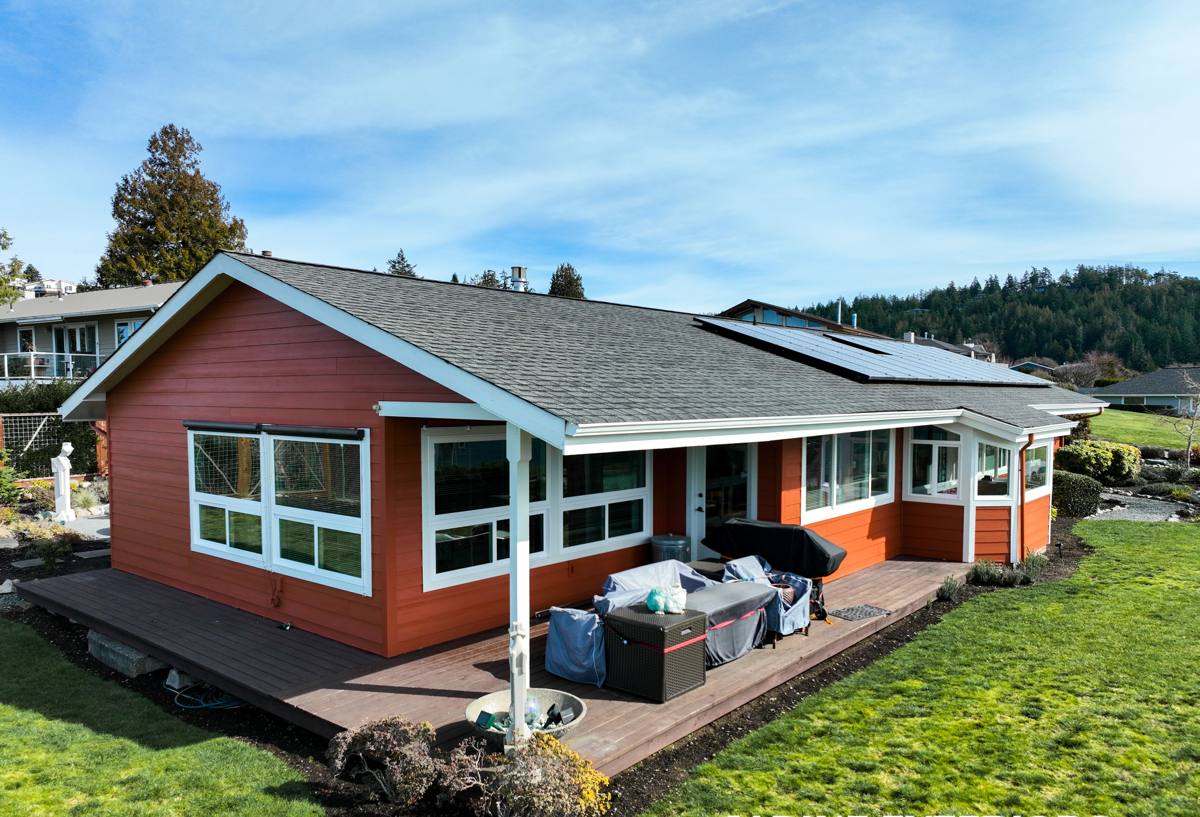
What This Climate Actually Does to a Wall System
It helps to be specific about the stresses involved, because they drive nearly every decision in a correct siding installation:
- Wind load: Pinellas County sits in a high-velocity hurricane zone. Siding has to stay fastened through sustained high winds and gusts, not just look attached.
- Wind-driven rain: Florida storms rarely fall straight down. Rain gets pushed sideways into seams, laps, and penetrations — the moisture management behind the siding matters as much as the siding itself.
- UV exposure: Nearly year-round sun degrades paint finishes, causes fading, and breaks down lesser materials from the outside in.
- Humidity and salt air: Even away from the immediate coastline, Tampa Bay's humidity keeps moisture in play constantly, and salt in the air accelerates corrosion of fasteners and trim if the wrong hardware is used.
A siding product or installation that ignores any one of these will eventually show it — usually as moisture intrusion, fastener failure, or finish breakdown well before the material's rated lifespan.
What a Correct Fiber Cement Installation Involves
Moisture Management Behind the Panels
The siding itself is only the outer layer. Behind it needs to be a properly lapped weather-resistant barrier, correctly integrated flashing at every window, door, and roofline penetration, and a drainage plane that lets any moisture that does get behind the siding find its way back out instead of sitting against the sheathing. This is the part of the job that's invisible once it's finished — and it's also the part most likely to be shortcut on a rushed installation.
Fastening to Manufacturer Spec
James Hardie publishes specific fastening patterns, nail types, and clearances for high-wind regions, and Pinellas County's wind zone requirements are stricter than what a lot of national installation crews are used to. Fasteners need to be corrosion-resistant given the salt air, driven to the correct depth (not too deep, not proud), and spaced according to the wind zone — not a generic pattern used everywhere the crew works.
Proper Clearances and Gaps
Fiber cement needs clearance from the ground, from roof lines, from decks and patios, and expansion gaps at trim and butt joints. Installed too tight, the board can wick moisture or crack as it expands and contracts with temperature swings. This is a common shortcut on lower-bid jobs because it takes more time to measure and shim correctly.
Caulking and Sealant Details
Every joint, seam, and trim intersection needs the correct sealant, applied correctly — not as a cosmetic finishing step, but as part of the water management system. Poor caulking is one of the most common causes of early moisture problems on otherwise well-installed siding.
Why We Install Only James Hardie
We made a decision to standardize on James Hardie fiber cement and stop installing other siding products — not because every alternative is unusable, but because Hardie is the product we can consistently stand behind on Gulf Coast homes. A few reasons that decision matters specifically here in East Lake:
- Non-combustible material: Fiber cement doesn't feed a fire the way wood-based or vinyl products can, which matters for both safety and insurance considerations.
- Climate-engineered product lines: Hardie's HZ5 formulation is engineered specifically for humid, high-moisture climates like Florida's — it's not a one-size-fits-all product shipped the same way to every region of the country.
- ColorPlus factory finish: A baked-on, factory-applied finish holds up to UV and salt air significantly better than field-applied paint, and it's backed by its own finish warranty separate from the substrate warranty.
- Long track record in wind and moisture climates: Fiber cement as a category has decades of real-world performance data in coastal Florida conditions.
- Transferable warranty: A meaningful warranty that carries to a new owner adds real resale value, which matters in a market where buyers are increasingly asking about exterior condition and storm-readiness.
We won't install LP SmartSide, vinyl, Cemplank, Allura, or primed wood siding — not because those products have no use anywhere, but because after years of doing this work on Gulf Coast homes, Hardie is the one we're comfortable putting our name behind and standing on for warranty and performance.
Our Process for East Lake Projects
- On-site assessment: We look at the existing siding, sheathing condition, moisture history, window and door flashing, and any problem areas specific to the home's exposure and orientation.
- Tear-off and sheathing inspection: Old siding comes off and we inspect what's underneath — this is where hidden rot or moisture damage from a prior installation often surfaces, and it needs to be addressed before anything new goes up.
- Weather-resistant barrier and flashing: A new drainage plane and correctly lapped, code-compliant flashing go in around every penetration.
- Hardie panel or lap siding installation: Installed to manufacturer spec for our wind zone, with corrosion-resistant fasteners and correct clearances throughout.
- Trim, corners, and caulking: All transitions sealed correctly as part of the water management system, not as a cosmetic afterthought.
- Cleanup and final walkthrough: We review the finished work with the homeowner before calling the job complete.
Signs Your East Lake Home's Siding Needs Attention
Because moisture problems behind siding often develop before they're visible on the surface, it's worth checking for these signs periodically, especially after storm season:
- Soft or spongy spots when pressing on siding near the bottom of walls or below windows
- Visible cracking, especially around butt joints or corners
- Paint or finish that's peeling, chalking, or fading unevenly
- Warping, bowing, or panels that no longer sit flat against the wall
- Staining or streaking that suggests water is tracking somewhere it shouldn't be
- Gaps opening up at trim, corners, or seams
- Rust streaks around fasteners or trim hardware
- Increased pest activity, which can indicate softened or damaged material underneath
Cost Factors on a Fiber Cement Siding Project
Every home is different, and we don't publish blanket per-square-foot pricing because the honest number depends on the specifics of the project. What we can tell you is what actually drives cost, so an estimate makes sense once you have one:
| Factor | Why It Affects Cost |
|---|---|
| Existing wall condition | Sheathing repair or rot remediation adds labor and material beyond the siding itself |
| Home size and wall complexity | More corners, dormers, and penetrations mean more flashing and trim work |
| Siding profile chosen | Lap siding, panel siding, and shake-style profiles differ in material and labor time |
| ColorPlus vs. field-painted finish | Factory-applied color adds material cost but reduces long-term maintenance and repainting |
| Tear-off and disposal | Removing and hauling away old siding is a real cost, especially with multiple layers |
| Access and site conditions | Two-story sections, tight lot lines, and landscaping can add labor time |
Why Local Experience in East Lake Matters
Pinellas County's building codes and wind zone requirements are specific, and permitting expectations here aren't identical to what a crew might be used to elsewhere in Florida, let alone out of state. A contractor who regularly works in the Oldsmar and East Lake area already understands the local permitting process, the wind zone fastening requirements that apply to these neighborhoods, and the kind of moisture and drainage issues that tend to show up on homes in this part of Pinellas County. That familiarity shortens the guesswork and reduces the chance of a failed inspection or a callback down the road.
Maintenance After Installation
One advantage of correctly installed Hardie siding with a ColorPlus finish is how little ongoing maintenance it actually needs. A periodic rinse to clear salt residue and pollen, an annual walk-around to check caulking at trim and penetrations, and prompt attention to any storm damage are generally enough to keep a system performing for the long haul. That's a meaningful difference from products that need repainting or resealing on a recurring schedule just to keep moisture out.
If your East Lake home's siding is aging, showing early warning signs, or you're planning ahead for a replacement before it becomes an emergency, we're happy to take a look and give you a straightforward, no-pressure estimate — just fill out the form below.