 Oldsmar Siding
 Why Dunedin Roofs Take a Different Kind of Beating
Homes near Dunedin sit close enough to the Gulf that roofs deal with a combination of stresses most inland houses never see. Hurricane-force wind gusts lift shingles and tile at the edges and ridges first. Wind-driven rain gets pushed sideways under flashing and starter courses that would stay dry in a normal downpour. Intense, near-daily UV exposure bakes asphalt shingles and dries out sealants faster than manufacturer warranties usually assume. And salt-laden air slowly corrodes exposed fasteners, drip edge, and metal flashing, even on roofs that never take a direct hit from a storm.
None of this means every roof in the area is in bad shape. It means damage tends to show up in specific, predictable places, and a roof that "looks fine from the driveway" can still have real problems at the seams, penetrations, and edges where wind and water actually do their work.
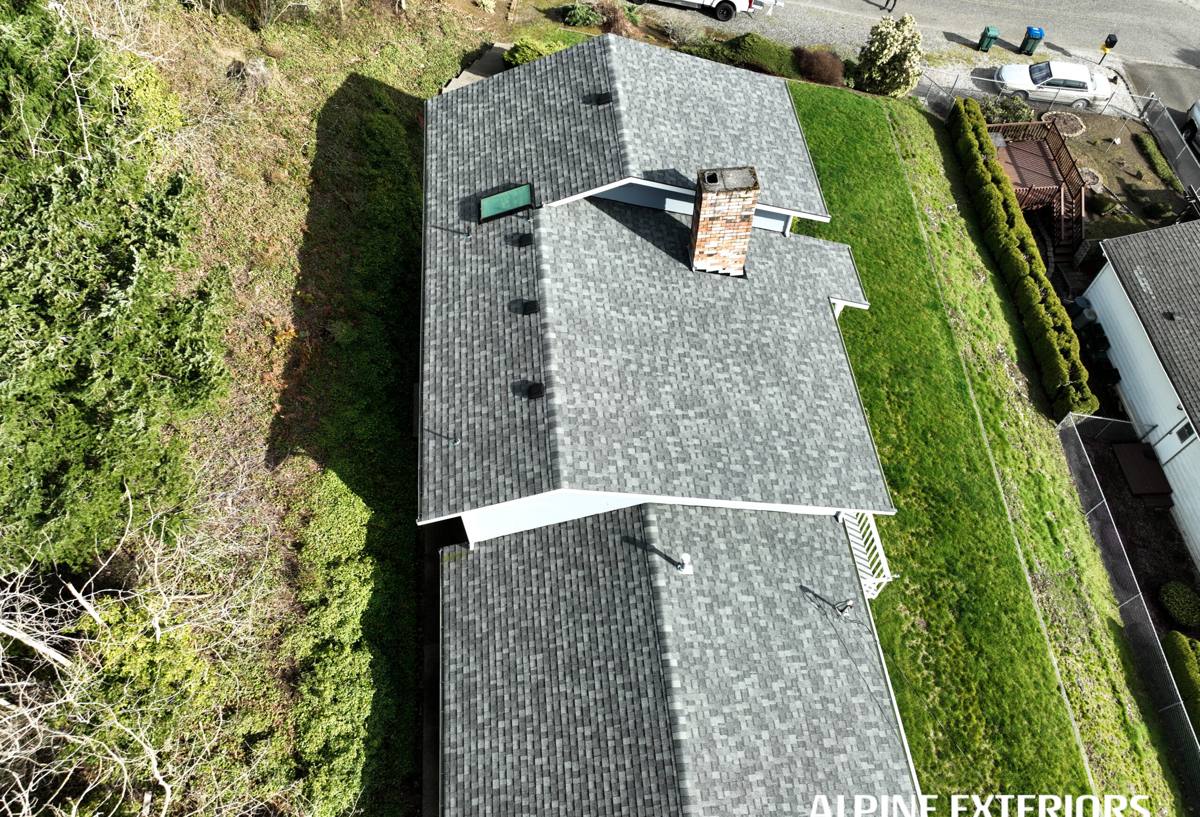
What Counts as Storm Damage (and What Doesn't)
One of the most common questions we get after a rough storm rolls through Pinellas County is whether a given problem is actually storm-related or just ordinary wear that a storm exposed. Both matter for repair, but they matter differently for insurance.
Signs that point to storm damage
- Shingles or tiles that are cracked, creased, or missing in a pattern that follows the direction of the wind
- Lifted or torn ridge caps, especially on the side of the roof that faced the storm
- Bent, loosened, or missing flashing around chimneys, skylights, or roof-to-wall transitions
- Fresh granule loss showing up in gutters or downspouts after a specific storm event
- New interior water stains that appeared within days of a named storm or severe wind event
Signs that are usually age or maintenance-related
Curling shingles across the whole roof, widespread granule loss that's been building for years, and soft or spongy decking found during a routine inspection are more often signs of a roof reaching the end of its service life under the Florida sun. That distinction matters because insurance carriers evaluate storm claims differently than they evaluate maintenance issues, and an honest contractor should tell you which one you're actually looking at before any paperwork gets filed.
Our Storm Damage Roof Repair Process
1. Inspection first, recommendation second
Every job starts with a full roof inspection, not a quote written from the ground. We look at the field of the roof, all penetrations, flashing details, and the attic side where accessible, because storm damage doesn't stop at the shingle layer — wind-driven rain can travel under intact-looking shingles and reach the decking or insulation below.
2. Documentation you can actually use
If damage is found, we document it with dated photos and a written scope that ties each item to what we observed, not generic boilerplate. Homeowners filing an insurance claim need this kind of record, and adjusters move faster when the documentation is specific and organized rather than vague.
3. Repair vs. replace, decided honestly
Not every storm-damaged roof needs a full replacement. Localized damage — a section of lifted shingles, a failed flashing detail, a handful of cracked tiles — can often be repaired correctly if the rest of the roof is sound and the materials are still available to match. We'll tell you plainly when a repair makes sense and when patching a roof that's already near the end of its life is just delaying a bigger expense.
4. The actual repair work
Repairs are done to match the existing roofing system as closely as possible — same or compatible shingle or tile profile, correctly lapped flashing, proper fastener patterns for wind resistance, and sealants rated for sustained UV and humidity exposure rather than generic caulk. Rushed storm repairs that skip proper flashing or use the wrong fastener spacing tend to fail again in the next storm, which is a poor outcome for everyone.
Common Storm Damage Repairs We Handle Near Dunedin
Shingle and tile damage
Replacing individual damaged shingles or tiles, resealing lifted tabs, and rebuilding damaged ridge lines so the repair blends into the surrounding roof rather than standing out as an obvious patch.
Flashing and underlayment
Flashing failures around chimneys, wall step-flashing, and skylights are among the most common sources of storm-driven leaks, because a small gap that's invisible from the ground is all wind-driven rain needs. Where underlayment has been compromised, we replace it in the affected section rather than just re-covering it.
Soffit, fascia, and gutters
Wind that's strong enough to damage a roof surface often takes soffit panels, fascia boards, and gutter sections with it. These aren't just cosmetic — damaged soffit and fascia give pests and moisture a path into the roof structure, so we address them as part of the same repair rather than treating them as a separate problem later.
Decking repair
When water has gotten past the roofing surface, the plywood or OSB decking underneath can be soft, delaminated, or stained. Any affected decking gets replaced before new roofing goes back down — covering damaged decking with new shingles just hides the problem and shortens the life of the repair.
Roofing Materials and Storm Performance in Coastal Pinellas County
Material choice affects how a roof holds up to wind and salt air, and it affects repair cost and complexity when damage does occur. Here's how the common options compare for this specific climate:
| Material | Wind/Storm Performance | Salt Air Considerations | Repair Complexity |
|---|---|---|---|
| Architectural asphalt shingles | Good with proper fastening and rated wind class | Fasteners and flashing need corrosion-resistant coatings | Lower — widely stocked, easy to match |
| 3-tab asphalt shingles | Lower wind resistance than architectural | Same fastener concerns as architectural | Lower, but matching older 3-tab profiles gets harder over time |
| Concrete/clay tile | Very strong field performance; edge and ridge tiles are the vulnerable point | Tile itself is largely inert; metal accessories corrode faster | Higher — matching tile profile and color takes more care |
| Standing seam metal | Excellent when properly fastened; seams and clips are what fail | Coated steel and aluminum hold up well; fastener quality matters | Moderate — repairs require matching panel profile and finish |
We don't push one material over another as a blanket rule — the right choice depends on the existing roof structure, the home's design, and the homeowner's budget and timeline. What we do avoid recommending are lower-grade underlayment and fastening shortcuts that look fine on installation day but don't hold up once a real coastal storm tests them.
Insurance Claims: What Homeowners Should Know
Insurance claims for storm damage move faster and go smoother when the documentation is thorough and the scope of work is specific. A few practical points worth knowing before you call your carrier:
- Photograph and note the date of any visible damage as soon as it's safe to do so, before repairs begin
- Ask your contractor for a written scope tied to the specific storm event, not a generic repair estimate
- Understand your policy's distinction between wind/storm damage and wear-and-tear, since this affects what's covered
- Get any temporary repairs (tarping, emergency sealing) documented separately, since many policies cover reasonable steps taken to prevent further damage
- Be cautious of anyone pressuring you to sign a contract before an adjuster has seen the roof — a reputable contractor will work with your timeline
We're happy to walk a homeowner through what we find and provide documentation, but we don't handle the claim itself — that stays between the homeowner and their insurance carrier, which keeps the process straightforward and avoids conflicts of interest.
Preventive Maintenance That Reduces Storm Damage
A well-maintained roof handles wind and rain better than one that's been neglected, simply because there are fewer weak points for wind to find. Between storm seasons, a few habits go a long way:
- Trim back tree limbs that overhang the roofline before hurricane season
- Keep gutters and downspouts clear so wind-driven rain has somewhere to go
- Have loose or lifting shingles resealed before they become an entry point for wind
- Check attic ventilation periodically — poor ventilation accelerates deck and shingle deterioration under Florida sun
- Schedule a roof inspection after any named storm, even if there's no visible damage from the ground
Why a Local Dunedin-Area Crew Matters
Storm damage repair isn't the same trade everywhere. A crew that regularly works roofs in and around Dunedin and the rest of Pinellas County has already seen how local roofing systems age under this specific combination of UV intensity, humidity, and salt exposure, and knows which repair shortcuts don't hold up here even if they'd be fine somewhere drier or cooler. That familiarity also means faster response after a storm, since we're not learning the area's typical roof ages, common material choices, and permitting requirements from scratch.
Local presence also matters for accountability. A roof repair should hold up through the next storm season, not just look finished on the day the crew leaves. Working in the same communities repeatedly means we're around to stand behind that work.
What to Expect: Timeline and Communication
Most storm damage inspections can be scheduled within a few days of contact, sooner during active storm response periods when we prioritize safety-related issues like active leaks or exposed decking. After the inspection, homeowners get a written scope and, if repair is the right call, a realistic timeline based on material availability and the extent of the damage. We communicate clearly about what's included, what isn't, and why — no vague line items, no pressure to upgrade scope beyond what the roof actually needs.
If you've noticed missing shingles, a new stain on the ceiling, or just want a roof checked out after a recent storm, we're glad to take a look. Reach out for a free, no-pressure estimate using the form below.