 Oldsmar Siding
 Windows Built for Countryside's Climate, Not a Showroom
Countryside sits inland from the coast but still takes a beating from everything Pinellas County weather throws at it — long stretches of intense UV, wind-driven summer storms, and the humidity that never really lets up. Homes here are a mix of original construction from the area's growth decades and more recent renovations, and in both cases we see the same pattern: windows that were fine when installed are now the weak point in the house. Seals fail, frames warp, and single-pane glass lets heat pour in all afternoon. Replacing those windows correctly is one of the highest-value exterior upgrades a Countryside homeowner can make, but only if the installation matches what this climate actually demands.
This page covers window installation specifically for Countryside homes — what the local conditions require, what a correct installation includes, how we approach the job, and why hiring a crew that already knows this neighborhood matters more than it might seem.
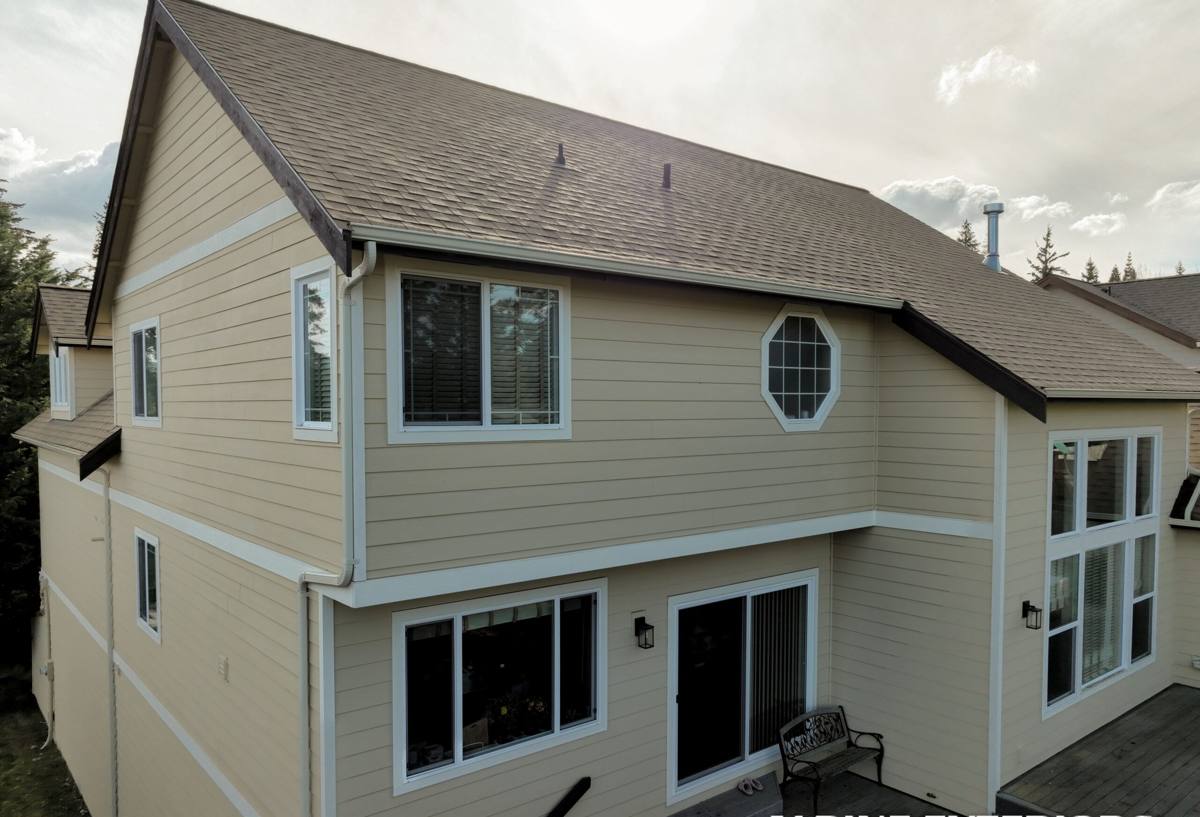
What Oldsmar's Climate Does to Windows Over Time
Florida's Gulf Coast weather is hard on every part of a home's exterior, but windows take a particularly direct hit because they combine glass, seals, framing, and hardware — each of which fails differently.
Heat and UV
Pinellas County gets sun exposure most of the year. UV breaks down window seals, gaskets, and vinyl frames over time, and it heats glass enough to stress the seal between panes. Once that seal fails, insulated glass fogs internally — a problem that can't be cleaned, only replaced.
Wind-Driven Rain
Countryside doesn't take direct storm surge, but it absolutely takes wind-driven rain during summer storms and any tropical system that tracks through the area. Rain pushed sideways by wind finds any weak point in a window's flashing or sealant, and once water gets behind a frame, it doesn't dry out — it rots wood framing and corrodes fasteners from the inside.
Hurricane-Force Wind Loads
Every window installed in this part of Florida needs to handle real wind pressure, not just look sturdy. That means correct anchoring, correct fastener spacing, and in many cases impact-rated glass or approved protection — not because it's required everywhere, but because it's the difference between a window that survives a storm and one that becomes a hole in your wall.
Salt Air
Countryside is far enough inland that salt exposure is lighter than it is on the immediate coast, but Tampa Bay's salt air still travels, and it still accelerates corrosion on hardware, screws, and metal components over years. Cheaper fasteners and hardware show it first.
Signs Countryside Homeowners Should Watch For
- Foggy or hazy glass that won't clean up — the seal between panes has failed
- Windows that are hard to open, close, or lock — frames have warped or shifted
- Visible daylight or a draft around the frame when the window is shut
- Soft or discolored wood trim around the window opening
- A noticeable rise in cooling costs with no other explanation
- Condensation forming between the glass panes rather than on the surface
- Peeling paint or bubbling drywall near a window, which often points to water intrusion
Any one of these on its own might not be urgent. Several at once, especially on a home that's had its original windows for 15-20+ years, usually means it's time to plan for replacement before a failure turns into a bigger repair.
What a Correct Window Installation Actually Involves
Window installation is often sold as a simple swap — old window out, new window in. Done that way, it's the fastest way to end up with the same water and air leaks a few years later, just behind new glass. A correct installation in this climate involves several steps that don't show up in a sales brochure but matter enormously to how the window performs.
Opening Prep
Before a new window goes in, the opening gets inspected for rot, soft framing, or prior water damage. Any compromised wood gets addressed — installing a new window into a damaged opening just locks the problem behind new trim.
Flashing and Water Management
Proper flashing directs any water that gets past the window's exterior seal back out, rather than letting it pool against the framing. This is one of the most commonly skipped steps in low-cost installations, and it's the one most responsible for water damage showing up years later.
Anchoring for Wind Load
The window has to be fastened per the manufacturer's specifications and local building code requirements for wind resistance — correct fastener type, spacing, and anchoring into structural framing, not just into trim or stucco.
Sealing
Both the exterior weatherproofing seal and the interior air seal matter. Exterior sealant keeps wind-driven rain out; interior sealing (foam or backer rod, not just caulk) keeps conditioned air in and stops drafts.
Interior and Exterior Finish
Trim, casing, and any stucco or siding patching around the opening should be finished cleanly so the installation doesn't leave a visible seam where future problems can start.
Choosing the Right Window for a Countryside Home
There's no single "best" window — the right choice depends on the home's exposure, budget, and how long the homeowner plans to stay. What we won't do is recommend a product based on which one has the best margin. Here's how the common options compare for this climate:
| Factor | Vinyl | Impact-Rated Glass | Aluminum Frame |
|---|---|---|---|
| UV / Heat Resistance | Good with quality vinyl; lower-grade vinyl can warp | Excellent — laminated glass handles heat and UV well | Good, but frame conducts heat more than vinyl |
| Wind/Storm Performance | Depends on glass package and anchoring | Best available protection against wind-borne debris | Strong structurally, needs correct glass pairing |
| Maintenance | Low — no painting, won't corrode | Low — same as base frame material | Moderate — can pit or corrode near salt air over years |
| Upfront Cost | Lower to mid-range | Higher, offset by insurance and protection value | Mid to higher range |
| Best For | Most standard replacements | Storm-exposed elevations, insurance credits | Larger openings needing structural strength |
Many Countryside homeowners land on a combination: standard-grade windows on more protected sides of the house, and impact-rated glass on elevations most exposed to wind and flying debris. That's a reasonable, honest way to balance budget against protection — we'll walk through it during the estimate rather than pushing one option across the board.
Our Installation Process
- On-site assessment. We inspect existing windows, framing condition, and how each elevation of the home is exposed to sun, wind, and rain.
- Product selection. We go over window options and glass packages suited to the home's specific exposure and the homeowner's budget — no one-size-fits-all pitch.
- Written estimate. Clear scope, materials, and pricing before any work starts.
- Opening prep. Old windows removed, framing inspected, and any rot or damage addressed before the new window goes in.
- Installation. Proper flashing, anchoring to code, and sealing — both exterior weatherproofing and interior air sealing.
- Finish work. Trim, casing, and any exterior patching completed to match the home.
- Final walkthrough. We check operation, seals, and finish with the homeowner before calling the job done.
Why a Crew That Works Countryside Matters
Window installation done wrong doesn't usually fail on day one — it fails two or three years later, when a small water intrusion has already done its damage. That's exactly why local experience matters so much here. A crew that regularly works in Countryside and greater Oldsmar already understands how Pinellas County's wind, rain, and heat interact with the housing stock in this area — the difference between an older opening that needs framing repair and a newer one that just needs a clean swap, and how to detail flashing and sealing so it holds up to the wind-driven rain this area gets every summer.
Local, licensed installation also means someone accountable is nearby if a question or issue comes up after the job — not a name on an invoice from a company that's moved on to the next county.
What Homeowners Should Ask Before Hiring
- Is the company licensed and insured to do window installation work in Florida?
- Will the crew address framing or rot issues found during removal, or just install over them?
- What flashing and sealing method will be used, specifically?
- What's the warranty on both the product and the labor, and who honors it?
- Will the installation meet local wind-load and building code requirements for this area?
- Is the estimate written and itemized, or a rough verbal number?
A contractor who answers these clearly and specifically, without dodging, is usually one worth hiring. Vague answers on flashing, sealing, or code compliance are a red flag no matter how good the sales pitch sounds.
Get a Straight Answer for Your Countryside Home
If your windows are showing their age, fogging up, or just costing you more to cool than they should, we're happy to take a look and give you an honest read on what's needed — no pressure, no inflated scope. Fill out the form below to request a free estimate for window installation at your Countryside-area home.