 Oldsmar Siding
 "Custom windows" covers more ground than most homeowners expect. It's any window that isn't a stock size and shape pulled straight off a manufacturer's shelf — an odd-sized opening in an older Countryside home, a wide picture window or sliding glass door replacement that has to match an existing opening exactly, a bay window added during a renovation, or a run of windows joined together across a Florida room or lanai wall. In Countryside and the surrounding Oldsmar area, we run into all of these regularly, and each one carries its own fit and weatherproofing challenge on top of the usual install.
Why Countryside Homes Often Need Custom Windows, Not Stock Replacements
A few things push window projects here out of stock-size territory more often than you'd see in a market with newer, more uniform housing stock. Many homes in Countryside date back several decades, built to whatever openings made sense at the time and long before today's manufacturers settled on a handful of common sizes — so a straight swap sometimes means either a true custom unit or reframing the opening, and reframing adds its own cost and time. Florida rooms, enclosed lanais, and additions built onto the original structure over the years create openings that don't match anything in a current catalog. And a lot of homes from that era used wide sliding glass doors, picture windows, or mulled window groupings — several units joined together into one wide opening — none of which are stock sizes by definition.
None of that makes a project unusual for us; it's routine work in this part of Pinellas County. But it does change how the project starts: with careful field measurement, an honest conversation about what's actually possible for the opening, and a realistic lead time, since custom units are built to order rather than pulled from a warehouse shelf.
The Climate Load: Hurricane Winds, UV, Wind-Driven Rain, and Salt Air
Pinellas County asks more of a window than a typical inland market does, and custom units raise the stakes further because they often have more glass area, more perimeter to seal, or a more complex shape than a standard rectangular opening. Four things in particular drive how we approach custom window work here:
- Hurricane-force wind — sustained wind and storm gusts load the entire window assembly, not just the glass, and test the anchoring and framing behind it just as hard as the unit itself
- Intense, year-round UV — Florida sun breaks down vinyl, fades finishes, and dries out sealants faster than in most other parts of the country, which shortens the useful life of a poorly specified frame or a rushed caulk joint
- Wind-driven rain — during a storm, pressure pushes water sideways and upward into gaps that would never leak in an ordinary rain, which is exactly why flashing sequence matters more than most homeowners assume
- Salt air off Tampa Bay — even well inland from the immediate coastline, salt-laden air corrodes hardware, fasteners, and lower-grade frame components over time
Where Problems Actually Start
It's rarely the glass itself that fails first. It's the transition points — where a mulled set of windows joins at the mullion, where a wide sliding door track meets the surrounding wall, where a picture window's sill meets the stucco or siding below it. Those spots need more flashing attention than a simple stock opening, and they're also the spots a rushed installation is most likely to shortcut, because they take real time to do correctly.
Types of Custom Window Projects We See in Countryside
- Non-standard replacement sizes — matching an opening in an older home that predates today's standard window dimensions
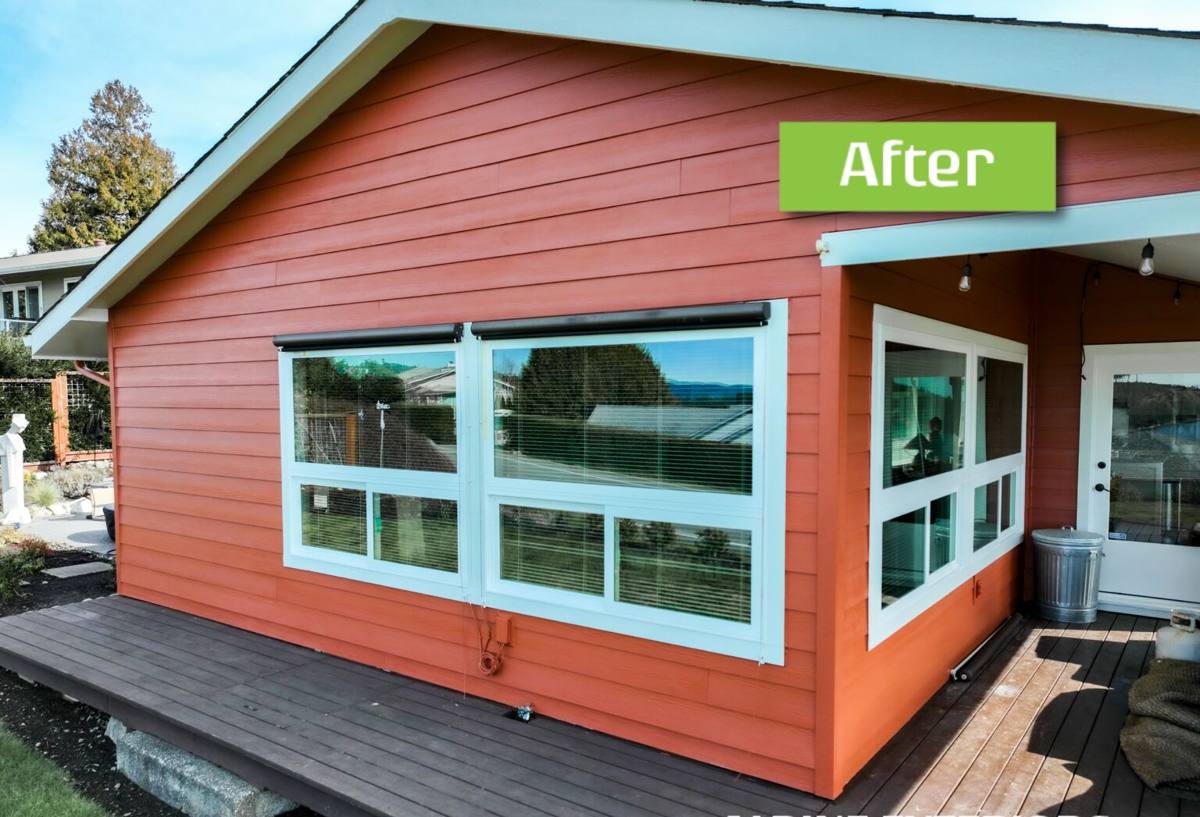
- Mulled or combination units — multiple windows joined into one wide opening, common on Florida rooms and rear walls facing a pool or yard
- Sliding glass door and large picture window replacements — bigger spans of glass that carry more wind load and need coordinated structural and flashing work
- Bay and bow windows — projecting units added during a remodel, which need their own roof, support, and flashing system
- Impact-rated upgrades — replacing older single-pane or non-impact aluminum-frame windows with code-current impact units, sized to fit the existing opening
- Enclosed lanai and Florida room window walls — runs of windows across a converted or newly enclosed outdoor space
- Egress and code-driven openings — additions or bedroom conversions where the opening size is set by code, not convenience
What a Correct Custom Window Installation Involves
Measuring, Ordering, and Lead Times
Custom work starts with precise field measurement, not a guess based on the old unit's label. We measure the actual opening, check for out-of-square or settled framing common in older Countryside homes, and account for what the finished stucco or siding reveal and trim will need. Because custom units are built to order, this is also where we set honest expectations on lead time — custom windows generally take weeks, not days, and we'll tell you a realistic number up front instead of a best-case guess meant to close the sale.
Wind Load and Impact Protection
Pinellas County falls within Florida's wind-borne debris region under the Florida Building Code, which is why most window replacements here need either impact-rated glass or an approved protective system like accordion or panel shutters — that standard applies whether the house sits a block from the water or well inland in Countryside. Custom shapes and larger spans need the same product approval documentation as a stock unit, and the approval has to match the actual size and configuration being installed, not just the glass type. We confirm the specific requirement for your address and structure as part of permitting, since it can vary by wind zone, building height, and how the home is classified.
Flashing and Weatherproofing for Wind-Driven Rain
This is the step that decides whether a custom window still performs in fifteen years or starts showing leaks in five. Every custom shape changes how flashing has to be sequenced — a mulled set needs the joint between units sealed and flashed as carefully as the outer frame, a wide sliding door needs its sill pan built to shed water outward under wind pressure rather than let it pool, and a bay window's roof needs its own weatherproofing separate from the wall flashing below it. We build the flashing plan around the specific opening, not a generic one-size template pulled from a manufacturer's minimum installation guide.
Finish and Trim Integration
Custom windows often land in the most visible parts of a house — a picture window facing the street, a wall of glass across the back of a Florida room — so the trim, stucco reveal, or siding transition has to match the rest of the exterior cleanly. We plan that integration before the window arrives so the finished result reads as intentional, not added on.
Quick Checklist Before You Order
- Confirm the opening has been field-measured, not estimated from an old label or a rough guess
- Ask what wind load and impact rating applies to your specific address and structure
- Ask what the flashing plan looks like for the specific shape or span involved
- Get a realistic lead time in writing before you commit to a schedule
- Confirm what's covered under warranty — the window unit and the installation labor are often separate
- Ask how trim, stucco reveal, or siding will be matched to the rest of the exterior
Our Process, Start to Finish
- On-site assessment — we measure the opening, check square and level, and evaluate the wind load, flashing, and any structural questions specific to the size or shape involved
- Honest recommendation — custom order, modified stock size, or opening reframe, explained with the reasoning, not just whatever ships fastest
- Permitting and product approval — we confirm the impact and wind load requirements for your address and pull the necessary permit before work starts
- Ordering and lead time — we give you a realistic timeline for the custom unit to arrive, since it's not a same-week job
- Removal and opening prep — the old unit comes out carefully, and any hidden rot, corrosion, or flashing issues get addressed before the new window goes in
- Installation and flashing — the new unit is set, shimmed, and flashed to a sequence built for its specific shape and size
- Trim and finish — exterior trim, stucco, or siding is integrated to match the surrounding home
Custom vs. Stock: What Changes
| Factor | Stock Window | Custom Window |
|---|---|---|
| Lead time | Often available quickly | Built to order — expect weeks, depending on complexity |
| Fit | Standard sizes only — reframing needed if the opening doesn't match | Matched to the exact opening or design intent |
| Flashing complexity | Straightforward, well-documented rectangular details | Shape-specific — mulled joints, wide sills, or bay roofs each need their own plan |
| Impact and wind load | Standard product approval usually covers the size | Approval documentation has to match the specific custom size and configuration |
| Cost | Lower, especially for common sizes | Higher — reflects manufacturing and installation complexity |
| Best fit | Simple like-for-like replacements | Older homes, additions, Florida rooms, wide spans, or architectural features |
What Drives Cost on a Custom Job
| Factor | Why It Matters |
|---|---|
| Size and glass area | More glass and larger units cost more to manufacture and are heavier to install |
| Impact rating required | Impact-rated glass and reinforced frames cost more than standard, non-impact units |
| Shape complexity | Mulled sets, bay windows, and non-rectangular openings need specialty manufacturing and more flashing labor |
| Structural work | Wide spans and bay or bow windows sometimes need added support framing |
| Frame material | Vinyl, fiberglass, and aluminum differ in material cost and long-term maintenance |
| Opening condition | Rot, corrosion, or old flashing failures add repair work before the new unit goes in |
Frame Materials for Pinellas County's Climate
Frame material matters even more on a custom unit, since a larger or more exposed window has more surface area for sun, salt air, and storm pressure to work against. We'll walk through the honest trade-offs for your specific opening rather than defaulting to whatever's easiest to install. In general, vinyl and fiberglass frames hold up to sustained Florida heat, UV, and coastal-adjacent moisture with less ongoing maintenance than bare aluminum or unclad wood, which is why we lead with them on weather-facing custom installs — a wood-look interior finish over a low-maintenance exterior frame can still make sense when the interior appearance matters and the exterior is properly protected.
Why Hiring a Crew That Already Works Countryside Matters
Manufacturer installation guides are written for average, standard-size conditions in an average climate. Custom windows in Countryside rarely fit that description, and Pinellas County's weather doesn't either — hurricane-force wind, constant UV, wind-driven rain, and salt air stack the deck against a shortcut installation more than they would in a milder market. A crew that has actually pulled permits, matched product approvals to custom sizes, and flashed mulled sets and wide sliding door openings in this part of Pinellas County knows which details in the manufacturer's minimum guidance are non-negotiable here and which extra step is worth the time even when it isn't strictly required.
That experience also shows up in the smaller judgment calls that never make it into a sales pitch — how much lap a flashing course needs on a wide sill, when a stucco reveal needs a sealant joint instead of a simple butt seam, whether an older home's rough opening needs correction before a new unit goes in at all. Those are the details that decide whether a custom window is still performing cleanly after the next several storm seasons or showing leaks and drafts within a couple of years.
If you're planning an addition, replacing an odd-sized opening in an older Countryside home, or considering a wider window or door span to open up a Florida room, it's worth having someone look at the actual opening before you start pricing units. We offer free, no-pressure estimates for custom window projects in Countryside, Oldsmar, and the surrounding Pinellas County area — use the form below to get a time on the schedule.