 Oldsmar Siding
 Clearwater's Coastal Climate Is Hard on Siding
Clearwater sits close to Tampa Bay and the Gulf of Mexico, which means homes here take on more than the occasional summer storm. Hurricane-force winds test every fastener and joint in a siding system, wind-driven rain pushes moisture sideways into gaps that would stay dry in a calmer climate, and the sun is intense and nearly year-round, breaking down pigments and softer materials faster than most manufacturers' warranties assume. Add in the salt air that drifts inland from the coast, and you have a combination that's genuinely tough on exterior building materials — not a marketing exaggeration, just the reality of building a house this close to open water.
Siding that was installed correctly for a drier, cooler climate often struggles here within a decade or two. That's not always a sign of a bad product — sometimes it's a sign the wrong product was used, or the right product was installed without the local climate in mind. A siding replacement in Clearwater needs to account for all four of these stressors at once, not just the ones that are visible from the curb.
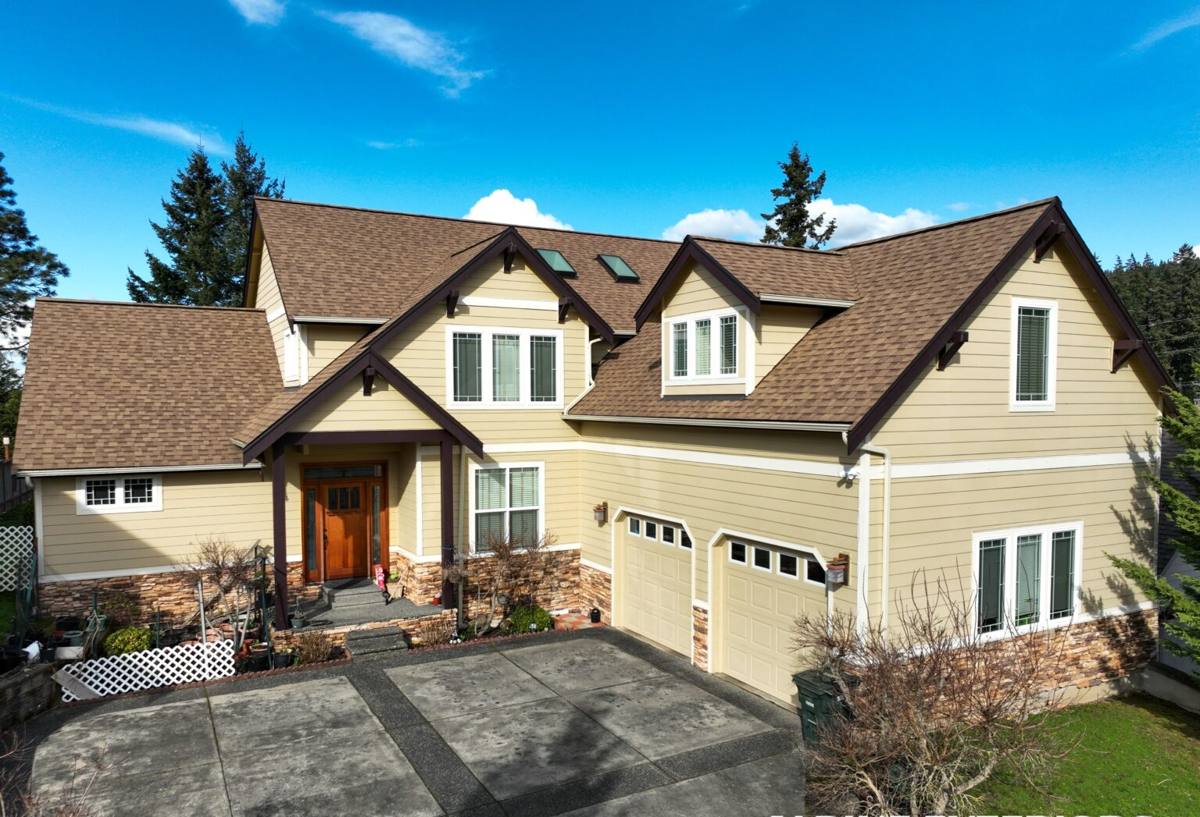
How to Tell a Clearwater Home Needs Replacement, Not Repair
Warning Signs Worth a Second Look
Some siding problems are cosmetic and some point to a system that has failed underneath. Cracking, warping, or panels that flex when pressed are usually more than surface issues in a coastal climate — they often mean moisture has already reached the substrate. Persistent staining near seams, soft spots you can feel through a glove, or paint that won't hold no matter how often it's redone are all signs the siding itself, not just the finish, is the problem.
Why Patching Rarely Solves It Here
Wind-driven rain finds the weakest point in a siding system and works on it continuously. Patching a section of failing siding without addressing the underlying moisture barrier or flashing just relocates the problem to the next seam over. In a climate that delivers this much wind and rain pressure, a full replacement — done with the right materials and the right details — is usually the more honest answer, even when it's a bigger job upfront than a repair.
What a Correct Siding Replacement Job Involves
Full Tear-Off and Substrate Inspection
A real replacement starts with removing the old siding down to the sheathing, not covering over it. That's the only way to find out what's actually happening underneath — rot, insect damage, or an old moisture barrier that's failed. Skipping this step is one of the most common shortcuts in the industry, and it's the one most likely to cause expensive problems a few years later.
Moisture Barrier and Flashing
Once the sheathing is exposed, a weather-resistant barrier and properly lapped flashing go in around every window, door, and penetration. In a climate with this much wind-driven rain, flashing details matter more than the siding material itself — water that gets behind the cladding needs a clear path back out, not a place to collect.
Fastening to Manufacturer Specification
Every fiber cement product has a specific nailing pattern, fastener type, and clearance requirement for high-wind regions. Following the manufacturer's installation instructions to the letter isn't optional in a market that sees hurricane-force gusts — it's what keeps siding attached to the house when it matters most, and it's often what a manufacturer's warranty is conditioned on.
Finish Work and Sealing
Caulking at trim and joints, factory or field-applied finish, and proper joint treatment at butt seams round out the job. Done right, these details are what keep water out for the long haul rather than the first year or two.
Why We Install Only James Hardie Fiber Cement
We standardized on James Hardie fiber cement siding and don't install vinyl, LP SmartSide, Cemplank, Allura, or wood siding like primed spruce or cedar. That's a deliberate call, not a default. Fiber cement is non-combustible, holds paint and factory finish far longer than wood-based products in intense UV, and doesn't soften, warp, or become brittle the way some other claddings can under sustained heat and humidity. James Hardie's ColorPlus factory finish is baked on and engineered to resist fading, and the company's HardieZone system engineers its products specifically for hot, humid climates like ours — which matters more here than in most parts of the country.
Other products aren't without their merits. Vinyl is inexpensive and low-maintenance in mild climates. Engineered wood siding like LP SmartSide can look good and install quickly. But we've made the professional judgment that the trade-offs — vinyl's tendency to soften or warp under intense heat and its vulnerability in high wind, engineered wood's dependence on unbroken paint film and sealed edges to resist moisture — aren't ones we're willing to put our name behind on a coastal Florida home. Fiber cement asks more of the installer during the job, but it asks less of the homeowner for decades afterward.
| Factor | Vinyl Siding | Engineered Wood (LP SmartSide) | James Hardie Fiber Cement |
|---|---|---|---|
| Heat & UV resistance | Can soften, warp, or fade in intense sun | Holds up if paint film stays intact | Engineered for hot, humid climates; factory finish resists fading |
| Wind resistance | Lighter panels more prone to damage in high wind | Solid if properly fastened | Rated for high-wind installation when installed to spec |
| Moisture & rot resistance | Not rot-prone but seams can trap water | Wood-based core vulnerable if moisture gets in | Cement-based; does not rot |
| Salt air exposure | Generally stable but can chalk over time | Finish and edges need consistent upkeep near salt air | Stable, low-maintenance in coastal exposure |
| Fire classification | Combustible | Combustible | Non-combustible |
Our Siding Replacement Process, Start to Finish
- Inspection and estimate. We look at the existing siding, the substrate where accessible, and any trouble spots before quoting the job — not just a drive-by number.
- Material and color selection. We walk through James Hardie's product lines and ColorPlus palette so the home ends up with the right board profile and finish for its style and exposure.
- Preparation and tear-off. Old siding comes off completely, and the sheathing gets inspected and repaired as needed before anything new goes up.
- Weather barrier, flashing, and installation. Moisture barrier, flashing, and fiber cement panels go in to manufacturer specification, with fastening patterns suited to our wind exposure.
- Finish and cleanup. Caulking, trim, and touch-up finish work are completed, and the site is cleaned before we walk it with the homeowner.
- Final walkthrough and warranty registration. We review the finished job together and make sure the manufacturer warranty is properly registered.
Depending on the scope of the job, siding replacement in this part of Pinellas County generally requires a permit, and inspections typically happen at key points — after the moisture barrier and flashing are in, but before the new siding closes everything up. A single-story home usually moves faster than a multi-story home with more trim, corners, and cutouts, and Florida's wetter months can shift a schedule by a few days here and there. We give homeowners a realistic timeline up front rather than a best-case number that rarely holds once weather gets involved.
What Affects the Cost of Siding Replacement in Clearwater
Every home is different, so costs vary — but the factors that move the number are consistent from job to job.
| Cost Factor | Why It Matters |
|---|---|
| Home size and number of stories | More square footage and taller walls mean more material, labor, and equipment time |
| Condition of existing sheathing | Rot or moisture damage found during tear-off adds repair work before new siding can go on |
| Trim, soffit, and accessory work | Replacing trim and accessories alongside the siding adds cost but keeps the finished look and weather-tightness consistent |
| Board profile and finish selection | Different James Hardie profiles and ColorPlus finishes carry different material costs |
| Site access and complexity | Landscaping, fencing, tight lot lines, or multiple roof lines can add labor time |
Why a Crew That Already Works in Clearwater and Pinellas County Matters
Florida's building code sets wind-speed, fastening, and product-approval requirements that vary by location, and a crew that regularly pulls permits and installs siding in this part of Pinellas County already knows what inspectors here expect. That familiarity shows up in small but important ways — knowing which fastening pattern satisfies the local wind rating, understanding how HOA or neighborhood standards tend to run in this area, and having a realistic sense of how salt air and storm exposure affect a home depending on how close it sits to the water.
It also means a crew that isn't learning the region on your project. Oldsmar sits right at the edge of this same coastal exposure, and a local crew working Clearwater regularly brings that hands-on experience to every estimate — not a generic install plan written for a different climate.
Storm season is also a scheduling factor worth planning around. Getting a replacement done well before hurricane season, when possible, gives new siding time to fully cure and be properly sealed before it has to face its first real test.
Maintaining Your New Siding After Installation
James Hardie fiber cement is low-maintenance, not no-maintenance. A little attention keeps it performing the way it's designed to in this climate:
- Rinse the exterior periodically to clear salt residue and general grime, especially on sides facing prevailing wind and storms
- Inspect caulking at trim, windows, and joints annually and have gaps resealed before they let water in
- Keep sprinklers and irrigation from spraying directly on siding, which can accelerate wear at the base of walls
- Trim back landscaping so foliage isn't holding moisture against the siding
- Have a professional look at the siding after any major storm, even if damage isn't obvious from the ground
If your Clearwater-area home is showing signs of siding failure, or you're just ready to stop patching and do the job right, we'd be glad to take a look. Reach out for a free, no-pressure estimate — we'll walk the exterior with you, explain what we see, and give you a straight answer on what it would take to get it done.